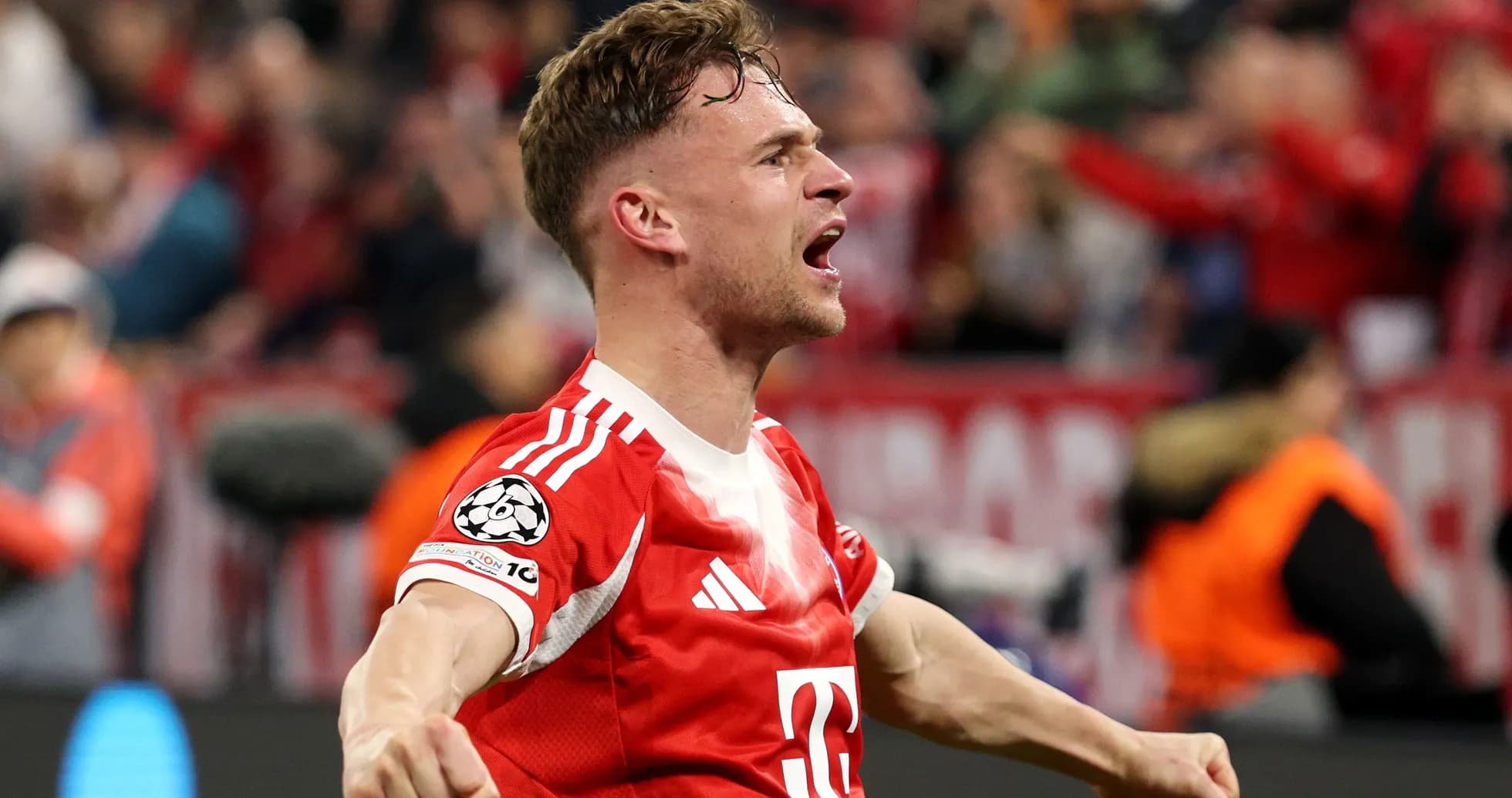
Bayern's Emotional Champions League Win: Kimmich's Perspective
Joshua Kimmich needed a second to weigh it up. Most emotional Champions League night since he walked through the doors at Säbener Straße in 2015? He searched his memory, and only one game stood alongside this one: that wild 2016 comeback against Juventus, when Bayern rose from 2–0 down to win 4–2 after extra time.
“I’ve had plenty of emotional evenings that went the other way,” he said. “That’s why I’m really glad we pulled it off.”
Relief, not euphoria. That was the tone from Bayern’s on‑field leader. They had beaten Real Madrid again, they had survived another European storm, but Kimmich refused to dress it up as anything it wasn’t.
“It wasn’t a high-quality match,” he said bluntly. “If you look at the performance, it wasn’t one of our better games. There’s plenty of room for improvement.”
Those words cut through the noise of celebration. On a night when Bayern advanced with two wins over the serial kings of this competition, their only player to speak publicly chose to hold a mirror up to the performance rather than bask in the glow of the result.
Bayern win, but the edge is missing
The criticism had a foundation. Bayern looked more ragged than in Madrid, less assured, less suffocating. The crisp dominance of the first leg gave way to something more fractured. Their front four, so dangerous at the Bernabéu, found themselves fenced in for long stretches.
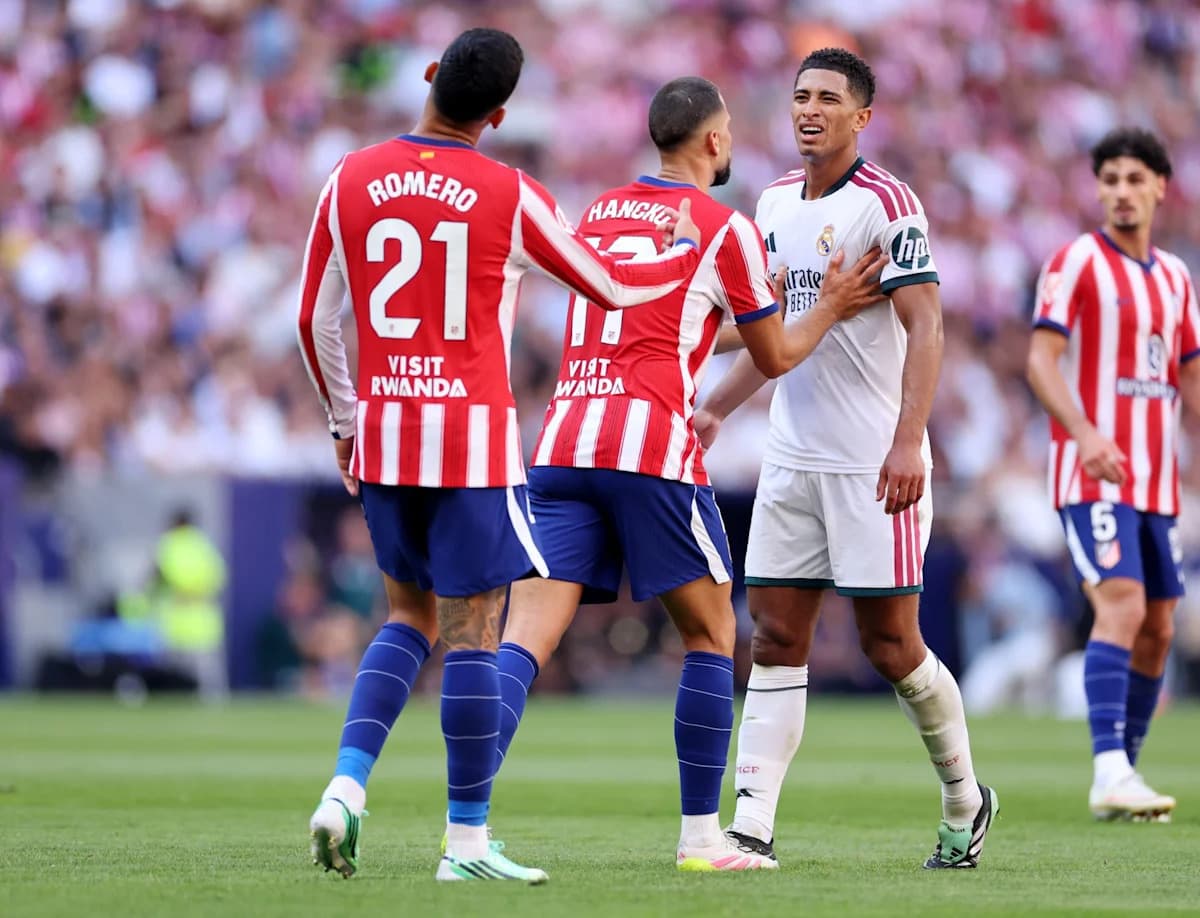
Real coach Álvaro Arbeloa had done his homework. He tweaked his back line and made one particularly telling call: Ferland Mendy at left-back instead of Álvaro Carreras. It paid off. Mendy tracked and harried Michael Olise with far more authority than his predecessor, cutting off Bayern’s most direct route to goal.
Olise still walked away with UEFA’s man-of-the-match award, a decision that raised a few eyebrows given how effectively Real had muted him for long spells. It felt like a nod to his decisive moments rather than a reflection of constant influence.
The underlying numbers told a story of their own. In Madrid, both the scoreline and the xG tilted Bayern’s way (2.9–2.2). In Munich, the pendulum swung: 2.3–2.1 to Real. Bayern outscored their expected goals by two, yet conceded one more than the models predicted. It was a knife-edge performance dressed up as a statement win.
Neuer’s off night and a rare defensive wobble
Seven days earlier, Manuel Neuer had looked like the old master again, repelling Madrid with the authority of a man who has seen it all. This time, he blinked.
The opening goal came from a mistake he will replay in his head for days. A misjudgement, a costly lapse, and suddenly Real had a foothold. The second Madrid strike also carried his fingerprints. For a goalkeeper who so often sets Bayern’s tone, it was a jarring contrast to the first leg.
He was not alone. The 2–3 scoreline grew out of a chain of errors, and even the otherwise outstanding Dayot Upamecano found himself dragged into the mess. For long stretches he had marshalled the back line with power and clarity; one misstep, though, and Real pounced.
That, perhaps, is why Kimmich’s verdict resonated. Bayern had gone toe-to-toe with Real over two legs and won both games, yet the performance in Munich felt far from the finished article.
“It’s very good to progress with two wins against Real and still feel that we can improve,” Kimmich said. The tone and the timing were reminiscent of another sharp Bayern voice from the past.
Echoes of Sammer and old scars
Matthias Sammer, now advising Borussia Dortmund, built a reputation in Munich as the man who refused to be swept up by the mood. While others clapped and smiled, he pointed to the cracks. Titles, comebacks, big European nights – none of it spared the team from his scrutiny.
Under his watch, Bayern collected one Champions League crown and reached three semi-finals in four years. Yet the era also carried scars. The same Juventus tie Kimmich had in mind – the 2016 round-of-16 epic – was followed by a brutal semi-final exit to Atlético Madrid. Elation one round, heartbreak the next.
This season carries a similar edge. The final in Budapest could bring another reunion with Atlético, but Bayern are not there yet. Between them and that stage stands Paris Saint-Germain.
PSG looming: form team against serial contenders
Kimmich does not sugarcoat the scale of the task. He calls PSG “the team in the best form” in Europe. Bayern chairman Jan-Christian Dreesen, for his part, still sees the reigning champions as favourites, even though Bayern beat them 2–1 in Paris in the group stage last November.
That night in France offered a glimpse of what this Bayern side can be at their peak. The first half was outstanding, a controlled and aggressive display that pinned PSG back and silenced the stadium. Then came Díaz’s red card. Reduced to ten men, Bayern had to suffer. They did, and they held on.
Kimmich has not forgotten. When asked if that opening 45 minutes in Paris was the best half of football Bayern have played since he joined, he did not hesitate.
“Yes,” he replied. Only one other half, he said, could compete: the first 45 minutes of the 2016 first leg against Juventus. Dominance in Turin, drama in Munich. Two sides of the same coin.
That is the blend Bayern will need now. Against PSG, they cannot rely solely on grit, nor can they expect to coast on the purity of their best football. They will need the control and swagger of that Juve first leg, and the stubborn, almost defiant resilience of the return.
Kimmich knows both versions live inside this team. The question, as the season narrows to its sharpest point, is whether Bayern can bring them together on the nights that decide everything.