Borussia Dortmund's Future Plans and Current Challenges
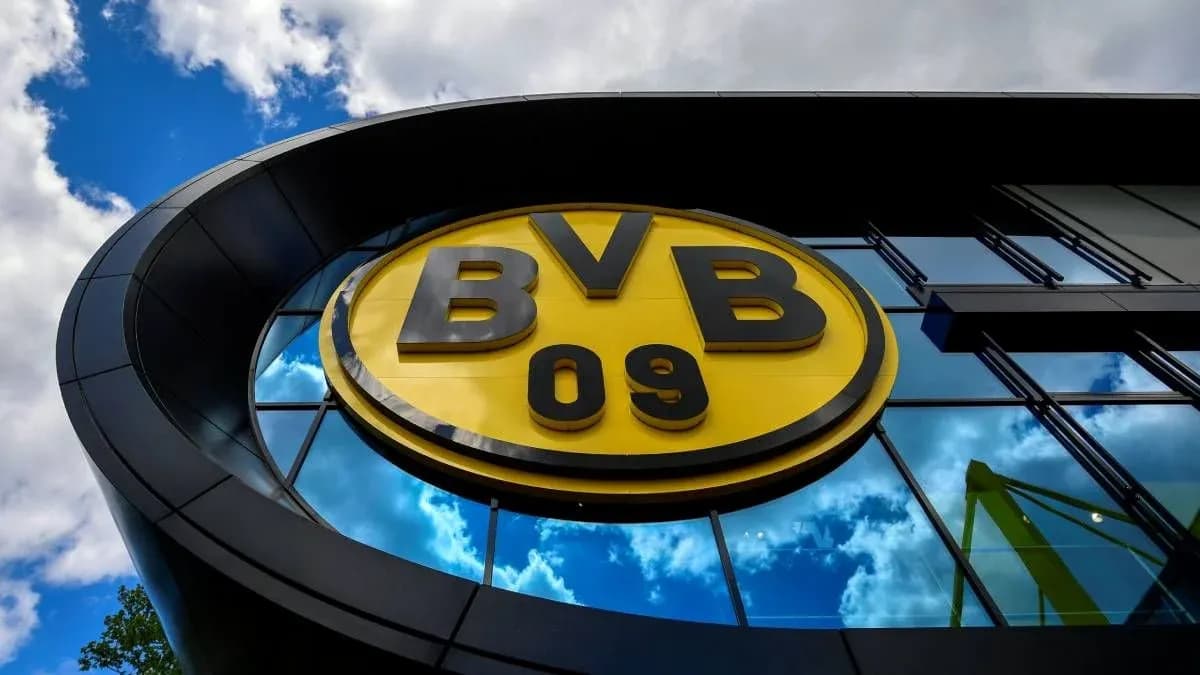
Borussia Dortmund are preparing for a future that stretches well beyond the white lines of the Westfalenstadion pitch – even as immediate concerns crowd in from the training ground and the Südtribüne.
A New Hall in the Shadow of the Stadium
The club is moving ahead with plans for a new multi-purpose hall just a short walk from Signal Iduna Park, a project that underlines BVB’s ambition to centralise elite sport in the city.
According to Ruhr Nachrichten, Dortmund intend to invest between €15 and €20 million in the venue. It is designed primarily for the women’s handball team and the table-tennis department, but the symbolism runs deeper: a club long defined by its football temple wants a broader sporting home.
A planning firm has already been commissioned to conduct a feasibility study and produce the first concrete designs. Talks with the city about buying and using the land are scheduled for May, a key step in turning drawings into bricks and mortar.
“We have decided at board level, and I am delighted about this and looking forward to it, that we will attempt to build the long-awaited sports hall ourselves,” club president Hans-Joachim Watzke is quoted as saying. His message is clear: BVB want control of their own growth.
“Everything relating to elite sport here in Dortmund should be concentrated there. The parking spaces are there, and the infrastructure for public transport is in place.” Location, logistics, long-term vision – all aligned.
Injury Scare for Guirassy
While the architects sketch the future, the present delivered an unwelcome jolt on the training pitch.
Serhou Guirassy was forced to abandon Tuesday’s session after an ankle knock, raising doubts over his availability for the weekend trip to TSG Hoffenheim. Social-media footage captured the striker struggling after around an hour, before leaving the field with his ankle heavily bandaged.
The incident stemmed from a sliding tackle by centre-back Nico Schlotterbeck that appeared to catch Guirassy’s ankle. Medical staff rushed on, treating him on the pitch before he limped away towards the dressing room.
For a side already under pressure in the league, the timing is awkward. The squad will travel to Hoffenheim on Saturday, but it remains unclear whether their forward will be fit in time. Until there is clarity, that question will hang over every training drill and tactical meeting.
Kabar’s Future on the Table
Another decision looms in the corridors of power: what to do with Almugera Kabar.
Ruhr Nachrichten report that Dortmund’s hierarchy plan to sit down with the 19-year-old soon to discuss his role going forward. The indications from club circles are not encouraging for those hoping to see him break through at BVB; he is considered unlikely to stay beyond the summer.
On the pitch, Kabar has been making his case with the reserves in the Regionalliga West. Operating mainly at left-back, he has produced six goals and one assist in 16 appearances – standout numbers for a defender at that level.
His exposure to the first team, though, has been minimal. So far in the 2025/26 season he has featured just once, coming on for Julian Ryerson for the final 15 minutes of the 0-1 home defeat to Bayer 04 Leverkusen last weekend. For a young player at a crossroads, that gap between promise and opportunity may prove decisive.
Tragedy on the Südtribüne
Beyond tactics, transfers and construction plans, Dortmund were confronted this week with a reminder of football’s fragility.
The supporter who required emergency resuscitation at Signal Iduna Park during Saturday’s match against Bayer Leverkusen has died, the club confirmed on Tuesday. The man collapsed in the Südtribüne and was rushed to Dortmund Hospital, where he passed away later that day, as reported by Ruhr Nachrichten.
“It is with great sadness that Borussia Dortmund has learnt that the BVB fan who received emergency medical treatment at the stadium last Saturday has died,” the club wrote. “In these difficult hours, the thoughts of the entire BVB family are with his family and friends.”
The incident cast a shadow over a match that Dortmund went on to lose 0-1. A few minutes into the second half, both sets of fans fell almost silent as news of the medical emergency spread through the stands. By the final whistle, they were united, singing “You’ll Never Walk Alone” in a shared show of support.
A stadium announcement informed those present that the supporter had been resuscitated and taken to hospital. The hope that flickered in that message has now given way to mourning.
So the club stands at a complex moment: investing millions in a new hall, sweating over the fitness of a key striker, weighing the future of a gifted youngster – and grieving a life lost in the very stand that embodies its soul. The next match at Signal Iduna Park will not just be about points; it will be about how a club and its people respond when celebration and sorrow collide.