Bruno Fernandes Challenges Coaching Decisions at Manchester United
The Michael Carrick era at Manchester United is over almost as quickly as it began. One hundred and seventy-four days after being handed the job on a permanent basis, the man who steered United to third place last season has been dismissed with his team marooned in 18th, trapped in the early-season relegation zone and clinging to a single league win.
The numbers are brutal. So was the fallout.
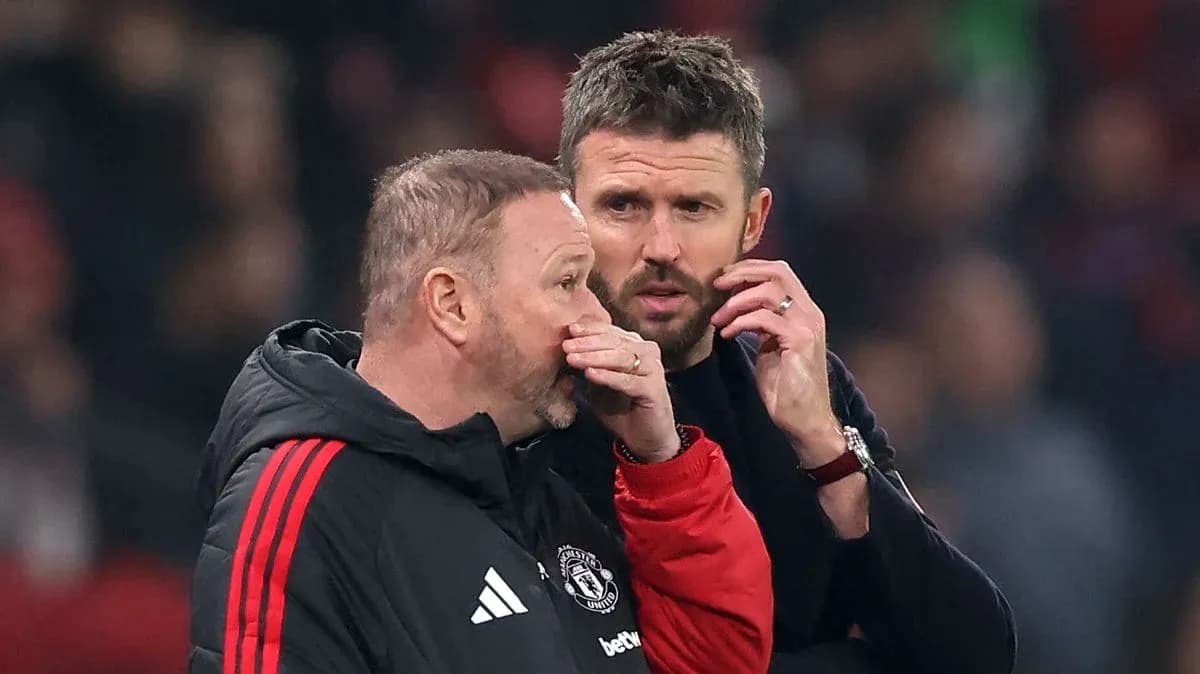
Carrick did not leave alone. On November 12, United cleared the bench. His backroom staff went with him, including former England assistant Steve Holland. Carrick walked away with the tone of a club legend receiving a respectful farewell. Holland’s departure feels very different.
A Coach Who Lost the Dressing Room
When Holland arrived at Old Trafford, he came with a strong reputation. A trusted figure with England, a coach known for his tactical detail and preparation. Inside United, that initial respect did not last.
According to Roundtable, Holland steadily became a divisive figure. Relations with some players deteriorated. One source painted a stark picture, describing him as “extremely arrogant” and far from popular in the dressing room.
The tension did not stay behind closed doors.
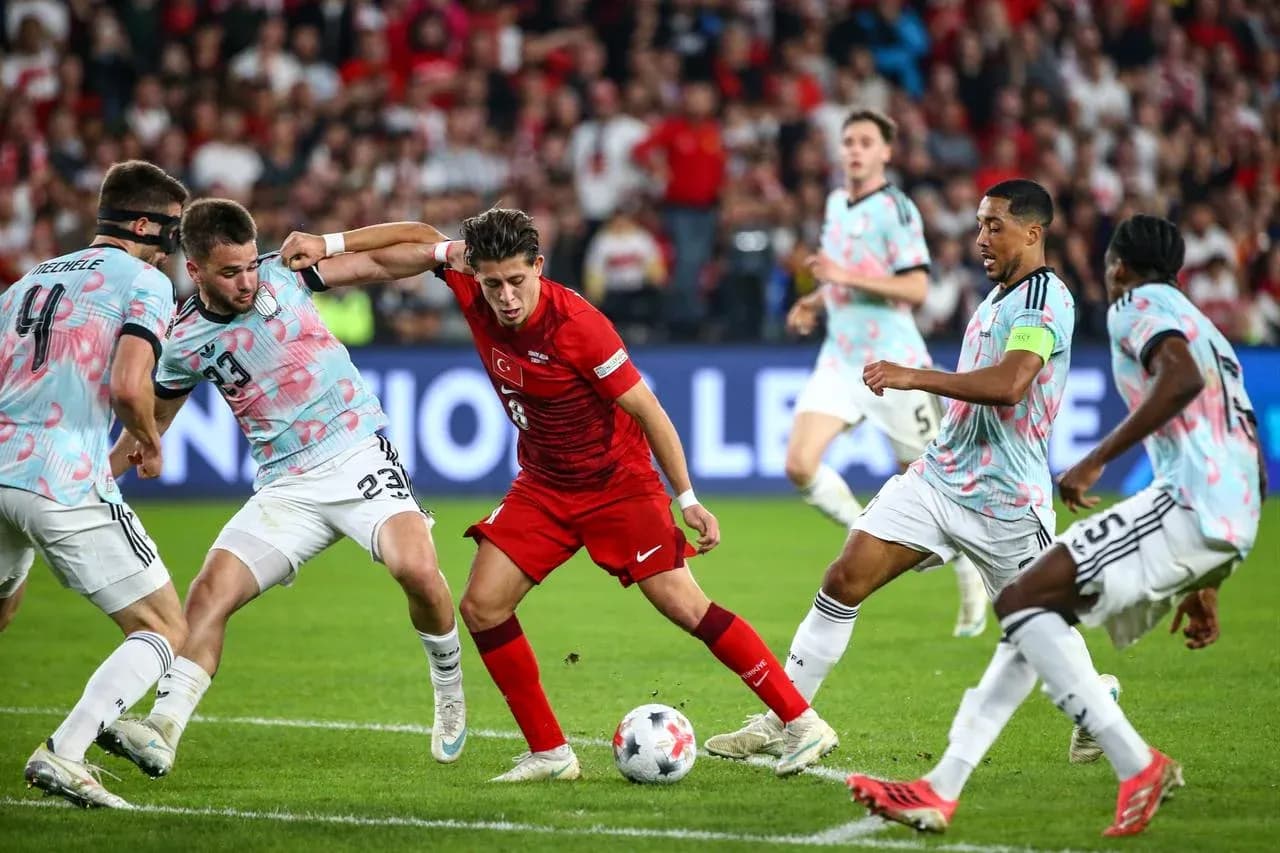
Last month’s 4-1 Champions League defeat to Como was the night the frustration finally spilled into public view. United were torn apart by the Italian side, and their captain did not bother to hide his anger.
Fernandes Breaks Ranks
Bruno Fernandes stepped in front of the TNT Sports cameras after that loss and, for once, did not toe the party line. His words were sharp, pointed, and aimed higher than just the manager’s office.
"It's a decision from the staff to not press man-to-man and sometimes leave a little space in behind and try to get the ball in the first moment, to wait for them, to give them the ball," he said, dissecting the game plan with the precision of a pundit rather than a player.
He went further.
"But sometimes when you give too much of the ball to these teams they get confident, they have so many bodies behind the ball that make you run a lot, make people get frustrated and then obviously when you recover the ball the legs are, and the brain, much more difficult to make it work."
This was not a vague complaint about “mistakes” or “fine margins.” It was a direct challenge to the tactical approach.
Pressed on whether the strategy was wrong, Fernandes stopped pretending this was a collective issue.
"That's on the manager and on the staff to see it. It's not on me," he replied.
Then came the line that cut to the heart of the divide.
"I just said, I think sometimes we have to be more brave on the pressure, trying to take a risk of getting that press very high and making them uncomfortable - as they did to us."
At the time, it sounded like a broadside at Carrick. But the picture now looks more nuanced. Reports suggest those comments were aimed in particular at Holland, the coach seen by some inside the club as the driving force behind certain tactical calls.
The captain had broken ranks. And he knew exactly where he was aiming.
A Staff Under Scrutiny
Holland was not the only member of Carrick’s staff to come under the microscope. Jonathan Woodgate, another of the coaches, was reportedly viewed by some colleagues as too inexperienced for such a turbulent, high-pressure environment.
Not everyone in the group was judged so harshly. Travis Binnion, who worked closely with the pathway between the academy and first team, is said to have earned genuine respect. Goalkeeping coach Craig Mawson was also well liked, a quieter figure who still made his mark.
They all left together regardless. Binnion, Mawson, Holland, Woodgate – and Jonny Evans, who had been part of the set-up – exited alongside Carrick as United chose to wipe the slate clean.
Pochettino’s Clean Break
Now comes Mauricio Pochettino.
The Argentine inherits a squad drifting dangerously, a league position that screams crisis, and a dressing room that has not been shy about questioning the ideas coming from the touchline. He will bring in his own people, including long-time assistant Jesus Perez, and impose his own structure.
For some players, Holland’s departure will feel like the end of a damaging chapter. For Pochettino, it is an opportunity and a warning rolled into one.
United’s captain has already shown he will speak his mind when he believes the tactical plan is failing. The next staff at Carrington will not just need to convince the board. They will need to convince Bruno Fernandes.
Because at a club this fragile, losing the dressing room is one thing. Losing the captain’s trust is something else entirely.