CAF's Patrice Motsepe Faces Crisis in African Football
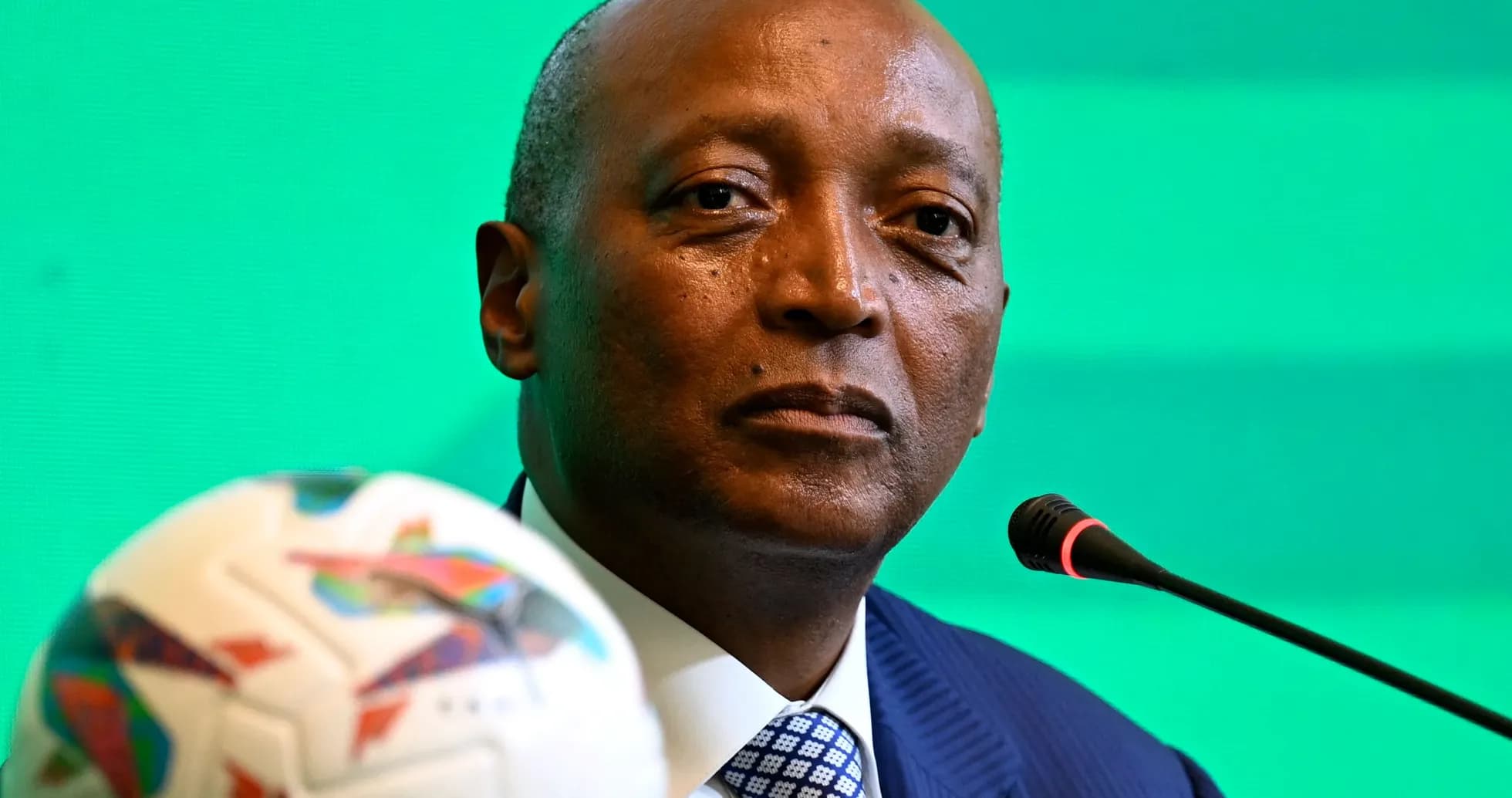
CAF chief Patrice Motsepe is flying straight into the eye of African football’s biggest storm in years.
The fallout from the 2025 Africa Cup of Nations final has not eased; it has deepened, hardened, and spilled far beyond the pitch. Senegal feels wronged. Morocco has been crowned “on paper.” And the Confederation of African Football finds itself fighting to hold the game’s credibility together.
A title decided at a desk, not on the pitch
CAF’s decision to award the AFCON title to Morocco without a ball being kicked in the final has ignited fury in Senegalese sporting and political circles. The ruling followed Senegal’s withdrawal from the showpiece match, a move the Senegalese federation insists was forced by “compelling circumstances” that cannot simply be brushed aside.
Senegal has taken the fight beyond CAF’s corridors. The federation has lodged a formal appeal with the Court of Arbitration for Sport (CAS), challenging both the decision and the way the case has been handled. For many in Dakar, this is not just about a trophy. It is about fairness, respect, and the integrity of African football’s flagship competition.
CAF’s public stance so far has been measured, carefully worded, an attempt to cool the temperature. It has not worked. The temperature in Dakar keeps rising.
Motsepe steps in
With tensions refusing to subside, CAF president Patrice Motsepe has decided he can no longer manage this crisis from a distance. According to local media reports, he is set to land in Dakar within hours on an official visit designed to calm the waters and reopen direct dialogue with the Senegalese side.
This is not a routine courtesy call. It is a damage-limitation mission.
Motsepe’s schedule in Dakar, as reported by Senegalese journalist Lassana Camara, underlines the gravity of the situation. He will meet Abdoulaye Fall, president of the Senegalese Football Federation, in a bid to rebuild trust after weeks of anger and accusation. A separate, private meeting is also planned with Senegal’s president, Bassey Diomaye Faye — a clear sign that this dispute has become a matter of state, not just sport.
CAF knows what is at stake. If this crisis drags on unchecked, it risks staining not only this edition of AFCON, but the institution’s authority across the continent.
Senegal keeps the door open
For all the bitterness, Senegal is not slamming the door in Motsepe’s face. Quite the opposite.
Abdoulaye Fall has gone out of his way to signal that, at least in terms of protocol and respect, CAF’s president will be received warmly.
He leaned on a powerful national symbol to make the point. “Senegal is the land of Teranga, and Teranga means welcome. We welcome all Africans here in Senegal,” Fall said in a video message addressed directly to Motsepe.
He did not stop there. “President Motsepe has decided to come to Senegal. He will be welcomed. We are all Africans and this is his country too.”
The words are courteous, generous even. But they also frame the stakes. Senegal is opening its doors, not surrendering its case. Hospitality does not mean backing down.
A crossroads for African football
Motsepe’s visit feels like a hinge moment in a saga that has already cast a long shadow over African football’s image. The AFCON final is supposed to be a celebration of the continent’s game, not a legal and political battlefield.
CAF now faces a delicate balancing act: defend its decision, respect its own regulations, and still convince one of its most powerful members that it has been treated fairly. Senegal, for its part, must decide how far it is prepared to push its legal challenge once the CAS process gathers pace.
The meetings in Dakar will not instantly erase the anger or resolve the appeal. They will, however, show whether CAF still has the authority and diplomatic touch to manage its biggest crises in a spirit of unity and responsibility.
If Motsepe cannot steady this ship in Dakar, the question will not just be who holds the 2025 AFCON title on paper — it will be who still believes in the paper it is written on.