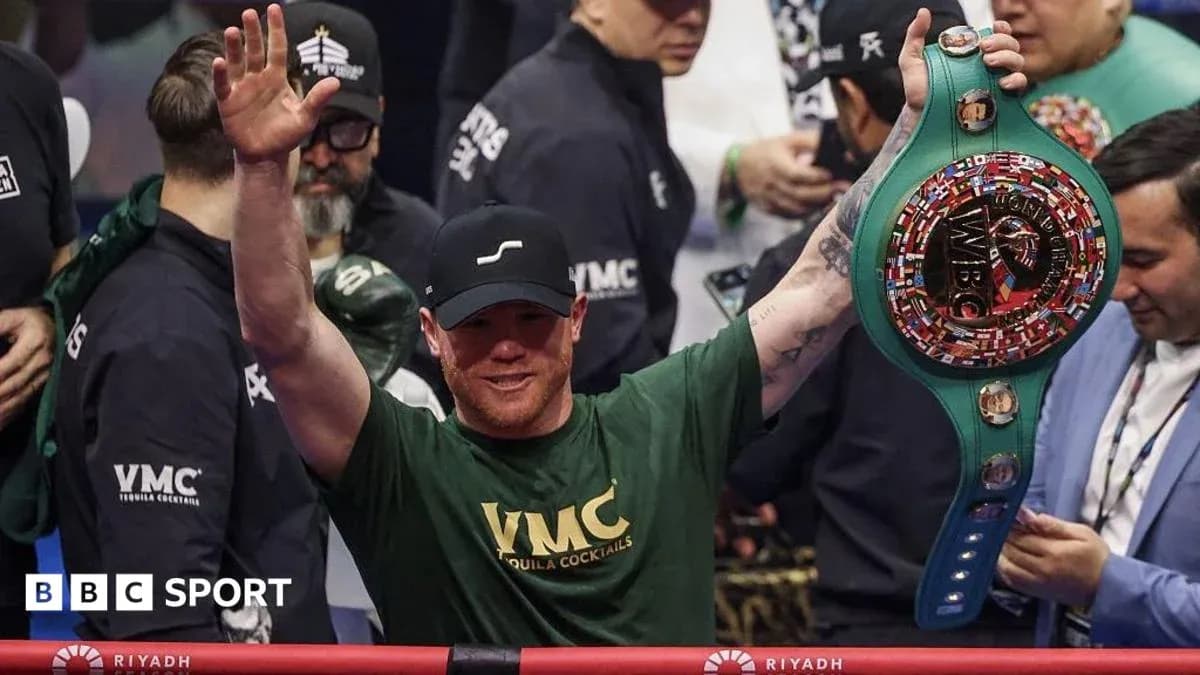
Canelo Alvarez Reclaims WBC Title in Riyadh
Saul ‘Canelo’ Alvarez walked back into his kingdom in Riyadh and took his crown like a man who never believed it truly belonged to anyone else.
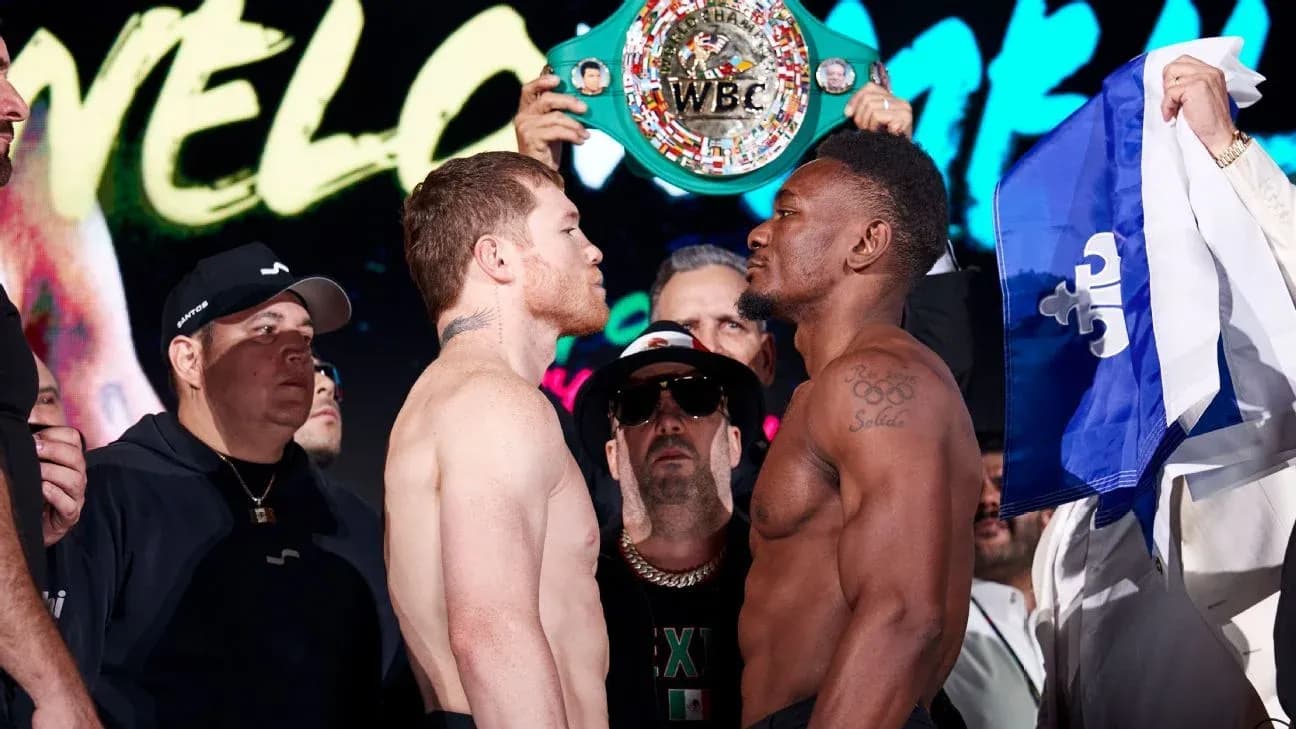
One year on from losing his belts to Terence Crawford, the Mexican great reclaimed the WBC super-middleweight title with a composed, ruthless points victory over previously unbeaten Christian Mbilli – a performance that felt less like a comeback and more like a reminder.
The scorecards – 115–112, 116–111, 117–110 – told one story. The ring told another. This was Canelo in full command.
Vintage Canelo, old questions silenced
At 36, in his 69th professional fight, Alvarez walked into the ring without a world title for the first time since 2015. The whispers had grown louder over the past year: too many hard nights, too many miles on the clock, too long out of the ring after Crawford.
He answered them with the tools that built his legend.
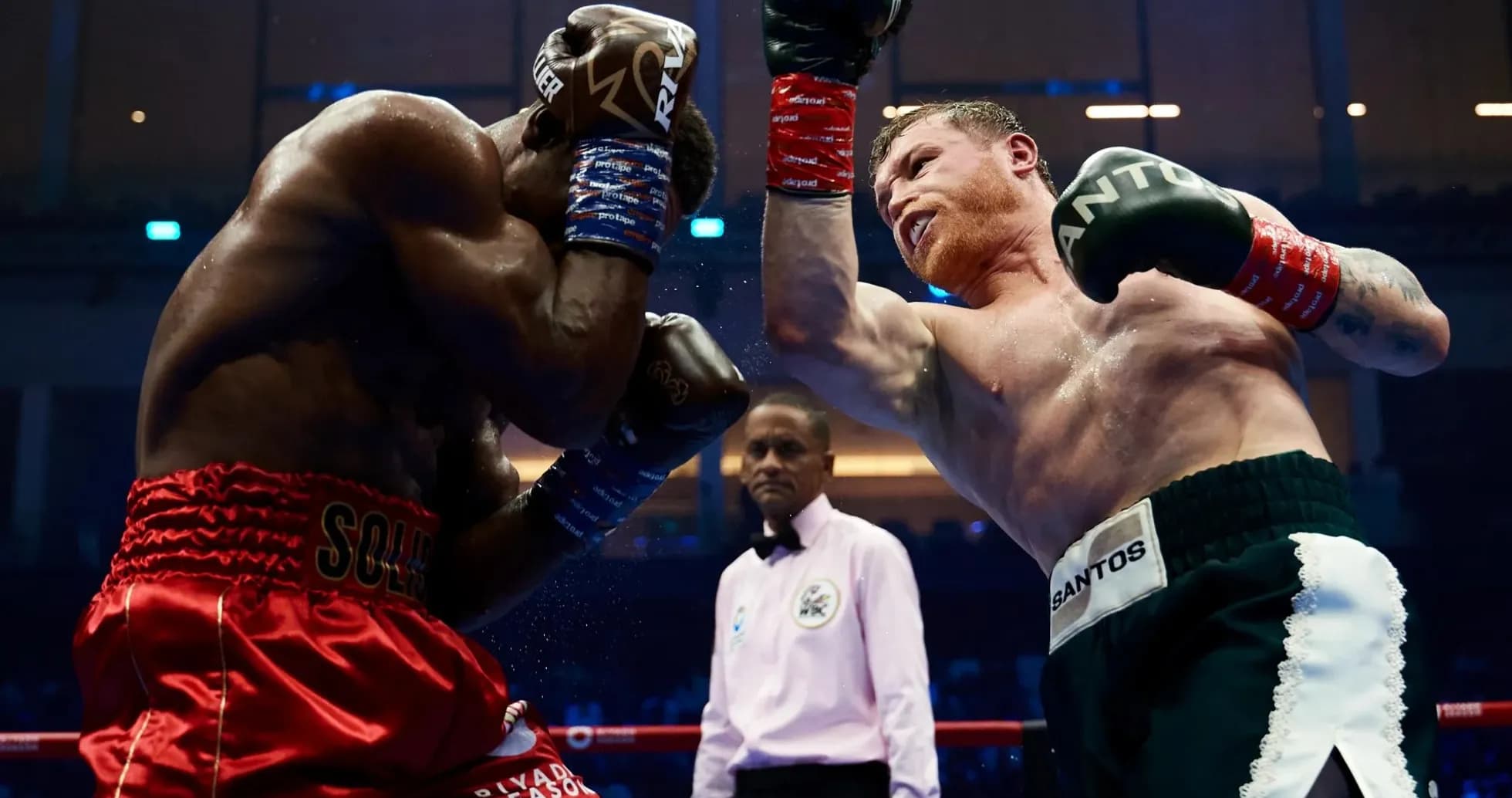
From the opening rounds, Mbilli tried to set a frantic pace, marching forward, hustling Alvarez to the ropes and letting his hands go. The Cameroon-born, Canada-based fighter, making the first defence of the belt he was elevated to in January, looked intent on dragging the veteran into a brawl.
Canelo wouldn’t bite.
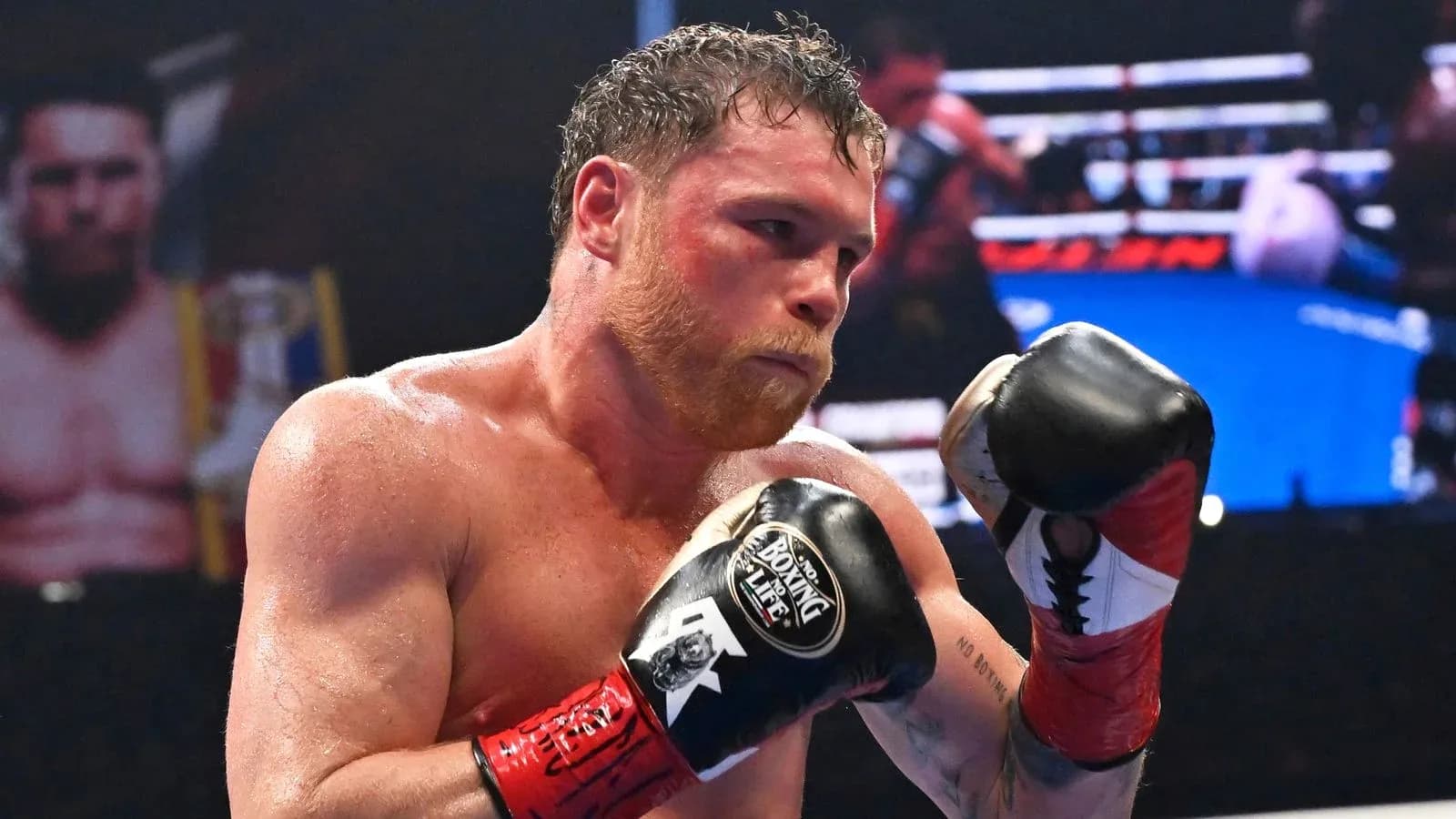
He rolled, slipped and blocked, letting Mbilli’s flurries whistle past or thud harmlessly into arms and shoulders. When the challenger did get tagged, he simply shook his head, almost dismissive, inviting Mbilli to try again. The message was clear: you can work, but I’ll hurt.
Mbilli threw more. Alvarez landed better.
The sixth round crystallised the pattern. As Mbilli pressed, Canelo began to detonate those trademark right uppercuts through the middle, snapping the champion’s head back and drawing gasps from the crowd. Every time Mbilli overreached, Alvarez was there – a short, sharp counter, a body shot, a reminder of the levels between them.
The pressure that Mbilli hoped would drown Alvarez instead became a current he could read and exploit.
Control, then cruise
As the fight moved into the middle and late rounds, the rhythm barely changed. Mbilli stayed busy, still coming forward, still throwing in volume. But his work lacked bite. Alvarez saw almost everything, picking off shots, rolling with others, and punishing mistakes with cold precision.
The defending champion’s night worsened when he was docked a point for punches to the back of the head, a sanction that effectively removed any faint hope of a swing on the cards. By then, though, the contest already felt like it was slipping away from him.
From that moment, Canelo simply managed the fight. He didn’t chase the knockout, didn’t overextend. He controlled distance, dictated tempo and banked rounds with the assurance of a man who has done this on the biggest stages for 16 years.
Mbilli never stopped coming. He landed a couple of sharp right hands in the closing stages, flashes of defiance from a proud champion facing defeat for the first time in 31 bouts. They stung, but they didn’t shift the balance. Alvarez’s defence, timing and ring craft stayed a step ahead until the final bell.
When it was over, the numbers were brutal: Mbilli’s unbeaten record gone, Alvarez’s 64th professional win secured, and a fourth weight reign refreshed.
A title reclaimed amid real-world tension
All of it played out under a shadow far removed from boxing’s usual theatre.
In the days leading up to the fight, serious doubts hung over whether the event would even go ahead. Rising conflict between Saudi Arabia and Yemen’s Houthi movement had turned Riyadh into a city on edge. Saudi Press Agency reported that Civil Defence forces intercepted two ballistic missiles over the capital just 48 hours before the opening bell.
Earlier in October, a missile strike on King Khalid International Airport killed 13 people and injured more than 300. Major sporting events followed with cancellations: The Six Kings Slam tennis exhibition, the final round of the 2026 World Rally Championship, the 2026 Urban Cycling World Championships – all pulled.
Combat sports, though, stayed on the schedule. And in that charged atmosphere, Alvarez and Mbilli walked to the ring.
Inside the ropes, the noise was familiar: the crack of leather, the roars, the chants. Outside, the stakes felt very different.
“Like my first title”
When the belt was strapped back around his waist, the emotion poured out of Alvarez.
“It's so difficult to explain,” he said in the ring. “It's something unbelievable, this feeling. Like my first title. Thirty-one years as a professional. Sixteen years ago, I won my first title. Now, I won the title again. I'm so proud.”
The numbers were slightly tangled in the adrenaline, but the sentiment was unmistakable. This was a man who has seen everything the sport can offer, still finding something new in victory.
He refused to be drawn on who comes next. No callouts, no shopping list of names. Just a promise of more work.
“I'm going to rest. I'm going to keep learning. I'm going to keep working hard,” Alvarez said. “And right now I'm going to be a couple of weeks off and then come back.”
The belt is back on his shoulder. The doubts have been pushed aside. At 36, with 69 fights behind him and the WBC super-middleweight title restored, the question isn’t whether Canelo Alvarez is finished.
It’s how long he can keep rewriting the script.