Cardiff Divided Over Fury–Joshua Fight Hours
The biggest all-British heavyweight fight in a generation is on course to run into the small hours in Cardiff – and the city is sharply divided over it.
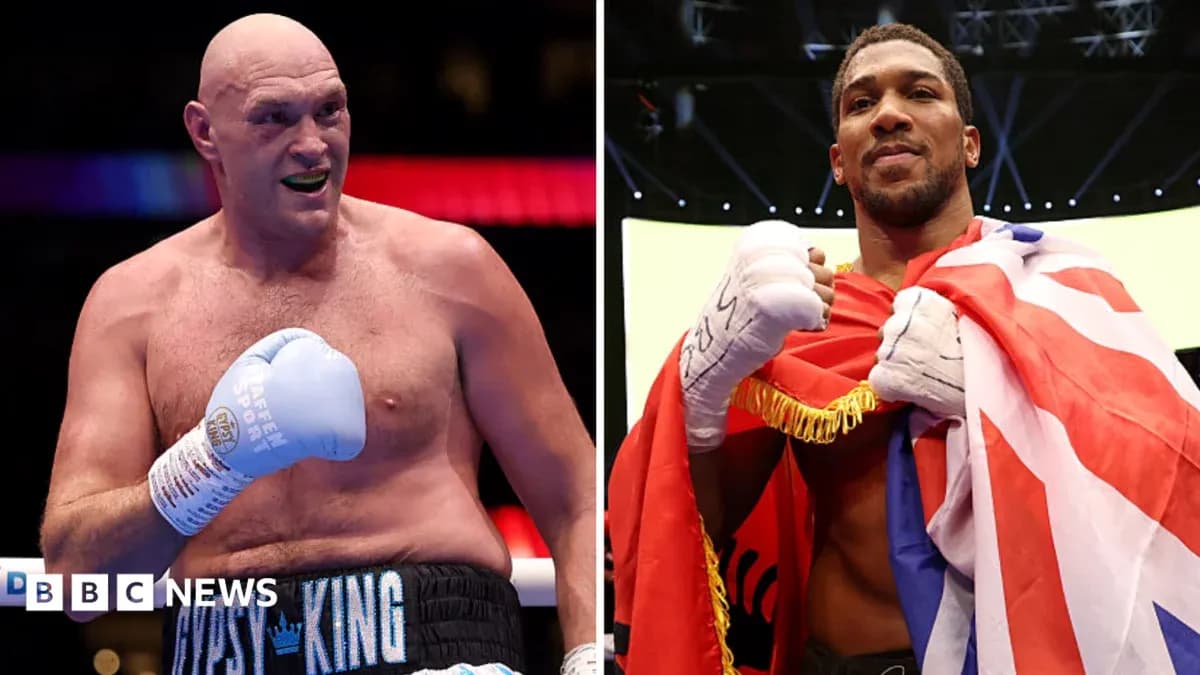
Tyson Fury v Anthony Joshua is scheduled for 11 December at the Principality Stadium, with the card planned to roll on until 03:00 GMT to hit prime-time audiences in the United States. For boxing, it is a global shop window. For people living in the shadow of the stadium, it is a potential nightmare.
Boxing’s Big Night vs Cardiff’s Sleep
To make the late finish possible, the Principality Stadium has applied to extend its licensing hours. The request: permission to keep selling alcohol and playing music until 03:00 on 12 December, and to keep the venue open until 03:30. The stadium currently operates a 01:00 curfew when the roof is closed.
Cardiff Council’s licensing subcommittee will weigh it all up on 25 November. On the table: concerns over anti-social behaviour, noise, traffic and public safety. In the inbox: a stack of letters from residents who live close enough to feel every bassline and hear every chorus of post-fight celebration.
One resident living directly opposite the stadium struck a careful balance. They backed the fight going ahead, but demanded stronger safeguards “to protect residents living immediately around the stadium”.
Their written objection zeroed in on “the prevention of public nuisance and the prevention of crime and disorder”. The message was clear: host the fight, but control the fallout.
They called for a formal dispersal plan on the streets around the ground, with stewards in place until the crowds have completely gone. No amplified music outside the stadium after midnight. Street-cleaning wrapped up by 08:00 on 12 December. If the city is going to stay up late for Fury and Joshua, they want it looking and sounding normal again by morning.
“Chaos” Fears From Families Next Door
Not everyone took such a measured stance. Three other residents wrote to the council urging it to reject the application outright, arguing that the “noise and late-night disturbance” will not simply stop when the final bell rings.
“Music, amplified sound, large crowds, shouting, vehicles, taxis and people leaving the stadium can all result in disturbance continuing well into the early morning,” one objector warned.
Another, with young children, painted a more domestic but no less vivid picture of the impact. Letting the event run into the early hours, they said, would “cause absolute chaos for those of us living right next to it”.
“Shouting and singing” in the early morning, they added, would “completely wake the whole house up and leave us with exhausted, stressed children”.
For families in those streets, the fight is not Fury’s jab or Joshua’s right hand. It is the rolling noise of tens of thousands of fans spilling into taxis, side roads and late-night food queues at 3am.
Economic Windfall or Local Headache?
Not every letter carried a warning. Some residents and stakeholders backed the stadium’s bid to push the curfew back, arguing that a night like this is exactly what the city centre is built for.
One supporter wrote that the bout would deliver a “significant economic boost” to businesses in Cardiff, from hotels and bars to restaurants and taxis. Another pointed to the tourism value, suggesting the event could help attract more visitors from the United States and raise Cardiff’s profile on the global stage.
The stadium’s location is central to that argument. The Principality sits in the heart of Cardiff city centre, a selling point for promoters and broadcasters. It is also the root of the tension: the same streets that host major sporting occasions are home to families, students and long-term residents.
Why Cardiff, Why 3am?
This is not just any fight. Fury v Joshua is one of the most anticipated heavyweight contests of recent years, and the route to Cardiff has already been shaped by broadcast demands and contractual muscle.
When the bout was first floated, a string of venues lined up. New York’s Madison Square Garden was in the mix. The United States made sense for a global audience and the kind of prime-time slot American broadcasters crave.
The picture changed when Joshua and his promoter Eddie Hearn stood firm on their contractual right to stage the fight on British soil. The contest had to come home.
Wembley Stadium inevitably entered the conversation. London Mayor Sadiq Khan publicly encouraged promoters to bring the event to the capital. But Wembley’s strict 23:00 event curfew clashed with Netflix’s desire to screen the fight in prime time in the US. The numbers did not add up for a London finish.
Cardiff, by contrast, offers a roofed stadium, a city centre setting and a track record of handling major nights. It also has history when it comes to late-night boxing.
In 2007, Joe Calzaghe’s super-middleweight unification fight with Mikkel Kessler at the same venue did not start until 02:00 local time to satisfy US broadcaster Showtime. The city has been here before: late trains, late taxis, late celebrations.
This time, though, the stakes feel higher. Streaming platforms, global audiences, a heavyweight clash of British stars – and a local population more vocal and organised in voicing its concerns.
The Legal Battleground
All of this plays out under the framework of the Licensing Act 2003. The stadium’s application to vary its licence triggered a 28-day consultation period, during which people can lodge support or objections.
Any representation has to be tied to one of four licensing objectives: prevention of crime and disorder, public safety, prevention of public nuisance, and protection of children from harm.
Objections have arrived, so the council’s licensing subcommittee must now sit and hear them. It has the power to modify the licence conditions, accept the extended hours as requested, or reject the whole or part of the application.
For the Principality Stadium, the outcome will dictate how the city experiences one of the most marketable fights in modern British boxing. For residents, it will decide whether 11 December feels like a festival or an ordeal.
The stadium has been asked to comment. For now, Cardiff waits to learn whether Fury and Joshua will start their battle long after most of the city is usually asleep – and whether the price of a global spectacle is a lost night’s rest for the neighbours next door.