Celtic's Controversial Pursuit of Robbie Keane: A Clash of Identity
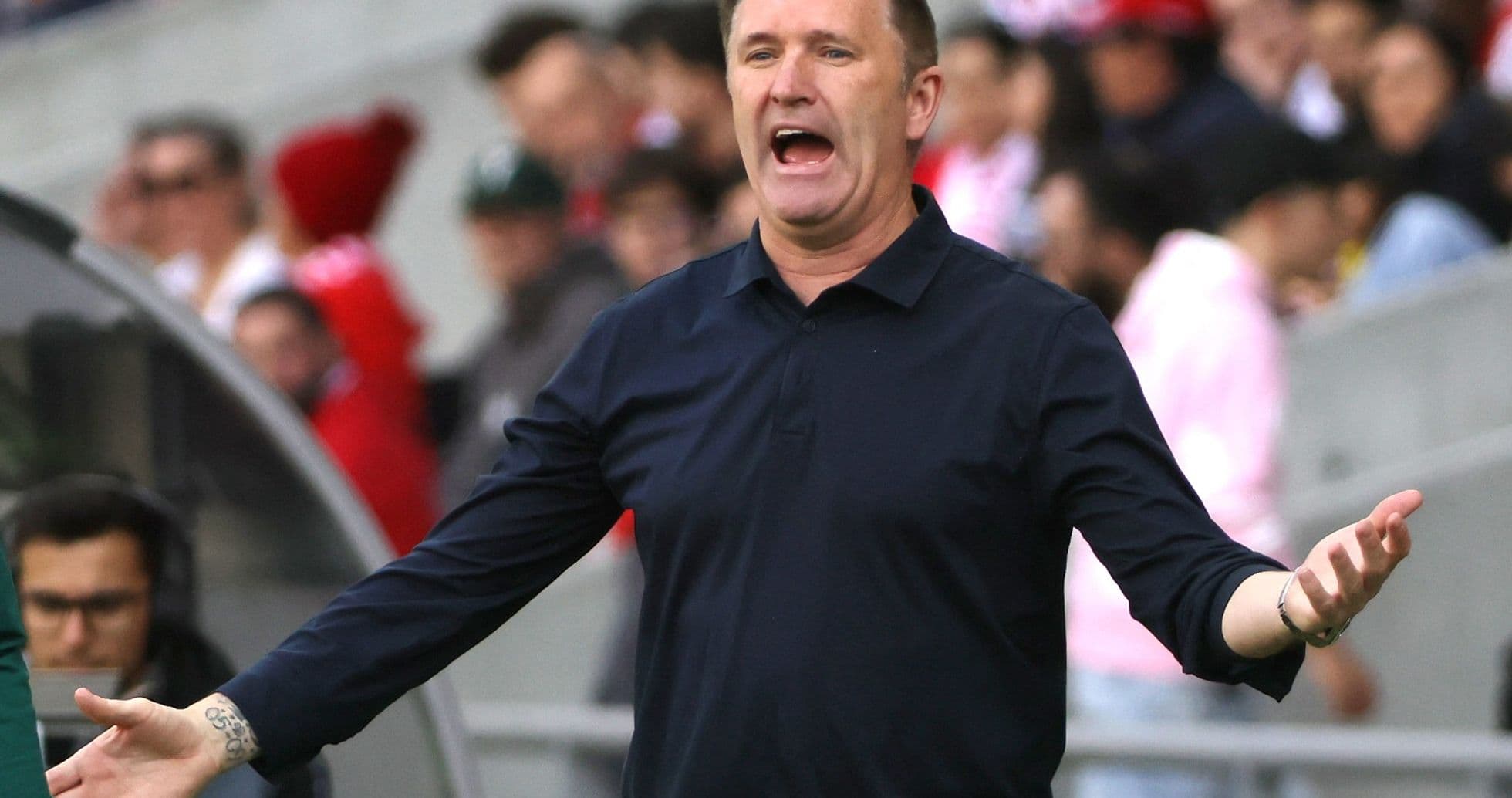
Celtic’s courtship of Robbie Keane has ignited a political firestorm before a contract is even on the table.
The club’s principal shareholder, Dermot Desmond, is understood to have opened talks with Keane, who has emerged as the leading contender to take charge of the Scottish champions. On football grounds alone, the move makes sense: Ireland’s record goalscorer, a prolific loan spell at Celtic in 2010, a recent league and cup double with Maccabi Tel Aviv, and a title-winning stint at Ferencvaros on his CV.
But this is not just about football.
A club’s identity collides with a candidate’s past
Keane’s time in Israel, specifically his decision to remain as Maccabi Tel Aviv manager after the war in Gaza began, has reopened deep fault lines within Celtic’s support. The club’s fan base has long worn its politics on its sleeve, and in recent months Palestinian flags have become a regular sight at Celtic Park as the conflict has intensified.
For a vocal section of supporters, the idea of Keane in the home dugout is a step too far.
Graffiti and banners opposing his potential appointment have appeared outside the stadium in Glasgow. Online, the backlash has been organised and sharp. A group calling itself “Celtic Fans for the Liberation of Palestine” issued a statement warning that hiring Keane “would be deeply divisive among the support.”
The “North Curve Celtic” account on X, a prominent voice among the club’s ultras, published a list of 67 groups it says have endorsed that statement, underlining how widespread the resistance is within politically active sections of the support.
“Impossible to ignore”
The wording of the fans’ intervention leaves little room for compromise.
“Celtic supporters have a long and proud history of solidarity with the Palestinian people,” the statement reads. “For us, Robbie Keane’s decision to manage Maccabi Tel Aviv during the genocide in Gaza is impossible to ignore.
“To choose to manage a club in Israel while, less than 40 miles away, the same country was using indiscriminate weapons of mass murder against defenceless people is unconscionable.
“Celtic was founded by a community shaped by the legacy of genocide, displacement and famine. Our club’s roots lie in solidarity with those who suffered injustice and oppression.
“We urge the Celtic board to listen to supporters’ concerns and reconsider this appointment.”
Those lines go to the heart of how many Celtic fans see their club: not simply as a successful football institution, but as an expression of a historical and political identity. Any managerial candidate who appears to sit at odds with that identity is always likely to face scrutiny. Keane is now at the centre of that storm.
Keane’s decision and his defence
The timeline matters. Keane was appointed by Maccabi Tel Aviv in June 2023, several months before the Hamas-led attacks on October 7 and the subsequent Israeli bombardment of Gaza. The criticism focuses less on his decision to take the job and more on his choice to stay.
The 45-year-old guided Maccabi to a league and cup double before resigning in 2024 and moving to Ferencvaros later that year. He has spoken about why he stayed to complete the campaign, framing it as a duty to those who had followed him to Israel.
“I have a duty of care,” he said. “My analyst, for example, was at Middlesbrough for 12 years. For him to come with me to Israel and then for me to just walk away, leaving him and his family.”
For some, that explanation speaks to loyalty and responsibility. For others within the Celtic support, it does nothing to soften the core issue: that he chose to remain in his post during a conflict they regard as unconscionable.
A board under pressure
All of this drops onto the Celtic boardroom table at a delicate moment.
On the pitch, the club has just come through a dramatic climax to the season. Interim manager Martin O’Neill, 74, returned to the technical area and delivered yet another chapter in his storied association with Celtic, steering them to the Scottish Premiership title on the final day and adding the Scottish Cup for good measure.
It should be a platform for calm planning and a smooth transition. Instead, the search for a permanent successor is already tangled up in questions of conscience, identity and the limits of what a fan base will accept.
Keane, once a popular loanee whose goals lit up Celtic Park in 2010, now divides opinion like few managerial candidates before him. The board must decide whether his track record and connection to the club outweigh the fury among sections of their own support, or whether the noise around his candidacy is a warning they cannot afford to ignore.
The next move belongs to Celtic’s hierarchy. Whatever they choose will say as much about what this club wants to be as it will about who stands in the dugout when the new season kicks off.