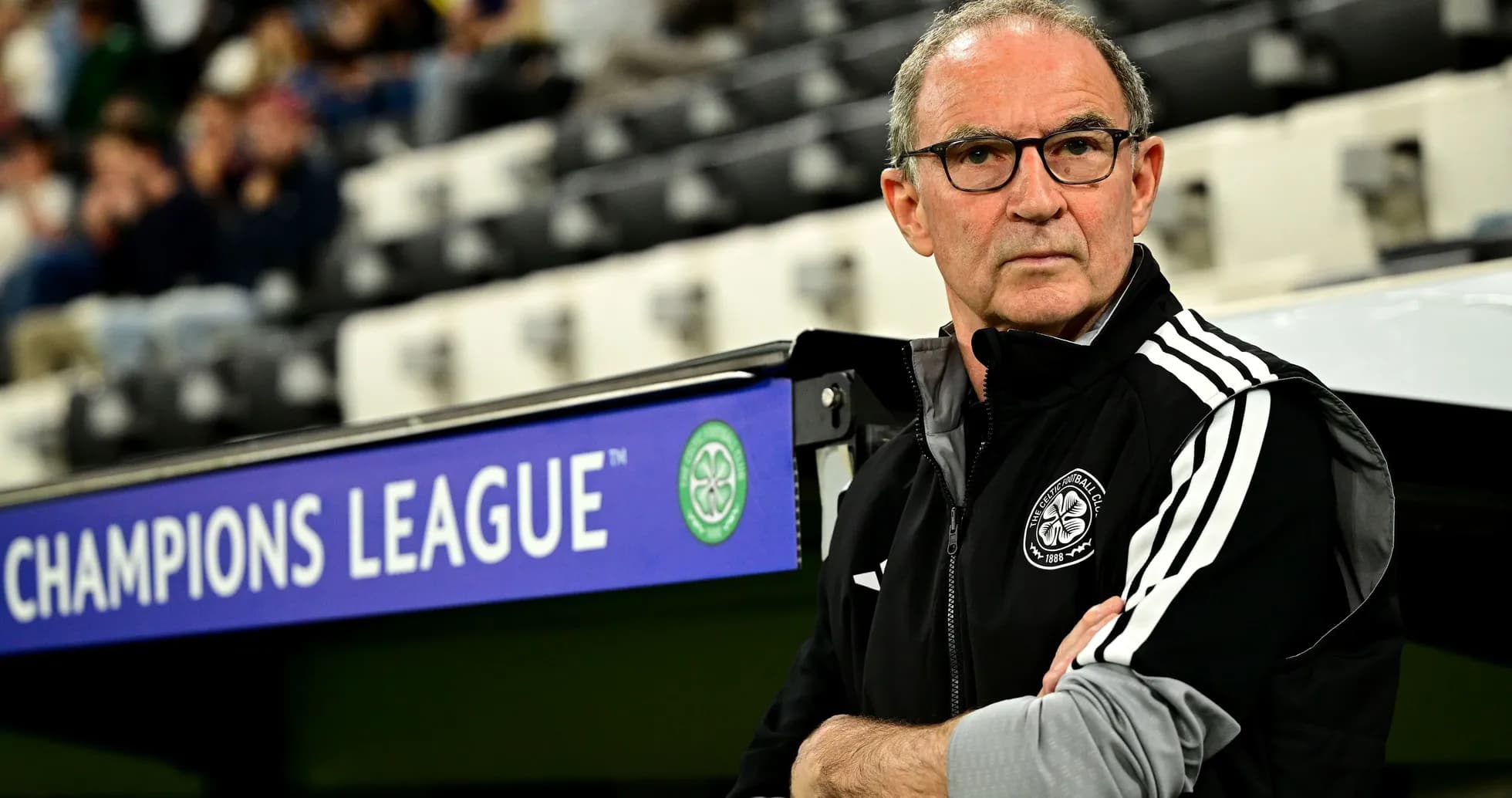
Champions League Failure is a Massive Blow to Celtic's Market Appeal
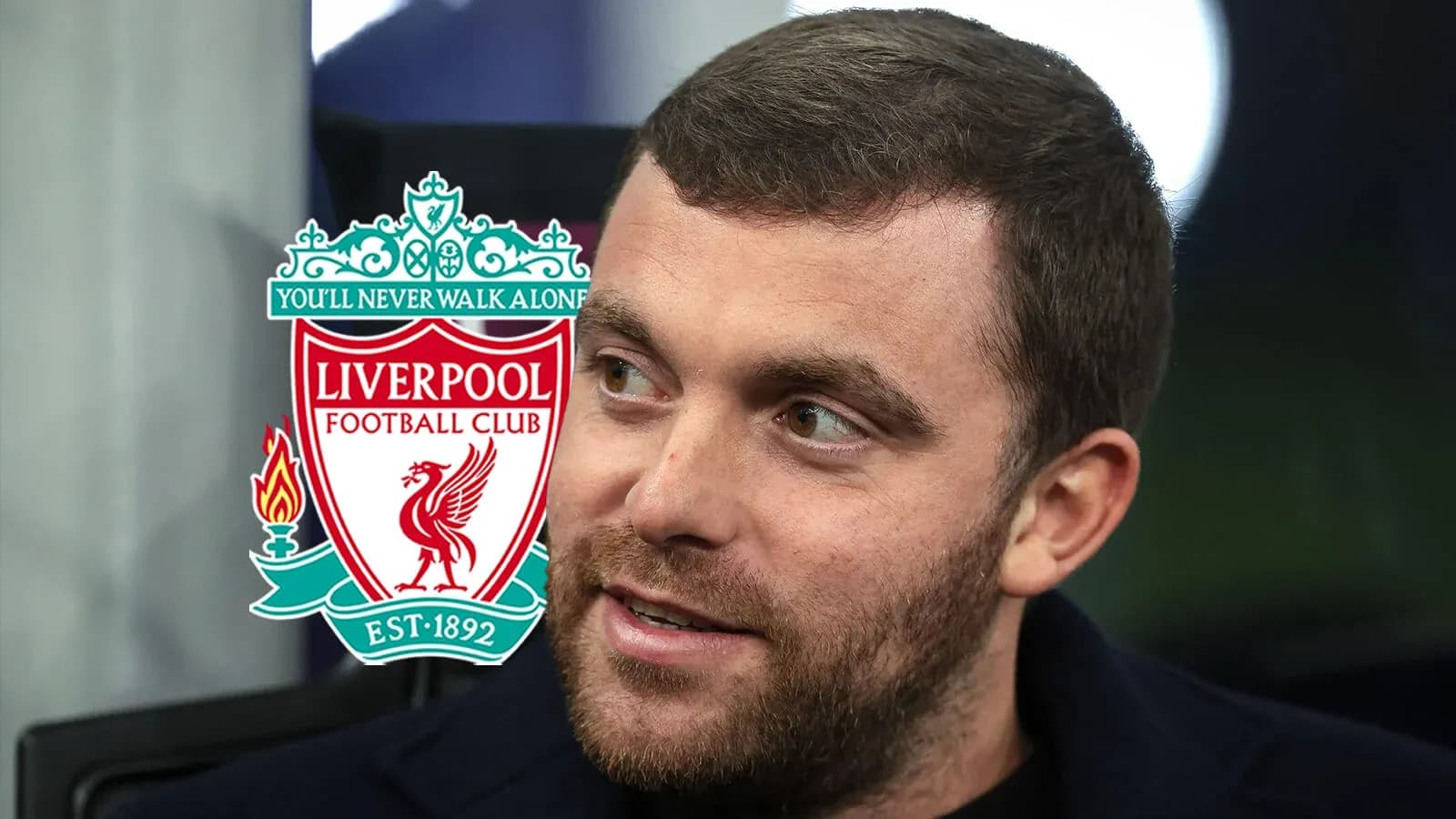
Martin O'Neill did not try to dress it up. Missing out on the Champions League league phase for a second straight season, he admitted, hits Celtic hard – not just in pride, but in power.
A power usually felt in the transfer market.
He called it “a massive blow,” one that directly weakens the club’s ability to lure the calibre of player they had hoped to attract this summer. The plan was simple: qualify, cash in on the prestige, and sell the project. That card is now off the table.
“We know we are a million miles away from the finished article; that's absolutely true,” O'Neill said, laying bare the gap between where Celtic are and where they want to be. “We thought that anyway, regardless. But we felt that if we qualified for the Champions League, there would be players that would be wanting to come on that very basis. That's not going to be the case. But we'll see.”
The honesty matched the result. Celtic’s second-half collapse against LASK left their manager lamenting a night that exposed every flaw he has been warning about.
For a spell, there had been optimism. O’Neill insisted his side “played brilliantly the other night, brilliantly in the game,” and he was quick to praise LASK as “a fine side” who “scored some brilliant goals.” Yet when the contest broke open, the gulf became brutal.
The numbers told the story with no sympathy.
LASK unleashed 40 attempts on goal, racking up 4.8 expected goals and carving out 10 big chances. Celtic, stretched and increasingly ragged, mustered just eight shots across 120 minutes, with a paltry 0.5 xG to show for their efforts. For a team chasing the Champions League, that is not just a bad night. It is a warning siren.
“We came up well and truly short – particularly in the second half,” O’Neill admitted. The collapse after the interval turned a difficult tie into a damning one.
He did not look for excuses. He looked in the mirror.
“I'm responsible for this one. Without a doubt,” he said. The weight of the defeat clearly cut deep, drawing a line back to one of the most painful nights of his career. “Naturally, it took me a long time to get over the UEFA Cup final in 2003, but this was majorly disappointing. In the context of things, one was a final which it would have been terrific to win; this was a qualifying game which we should have been able to get through.”
That is the crux of it. This was not a showpiece occasion against European royalty. This was a hurdle Celtic expected to clear. They didn’t – and the consequences will stretch far beyond one bleak evening.
The Champions League stage, and the players who demand it, will be watching from a distance.