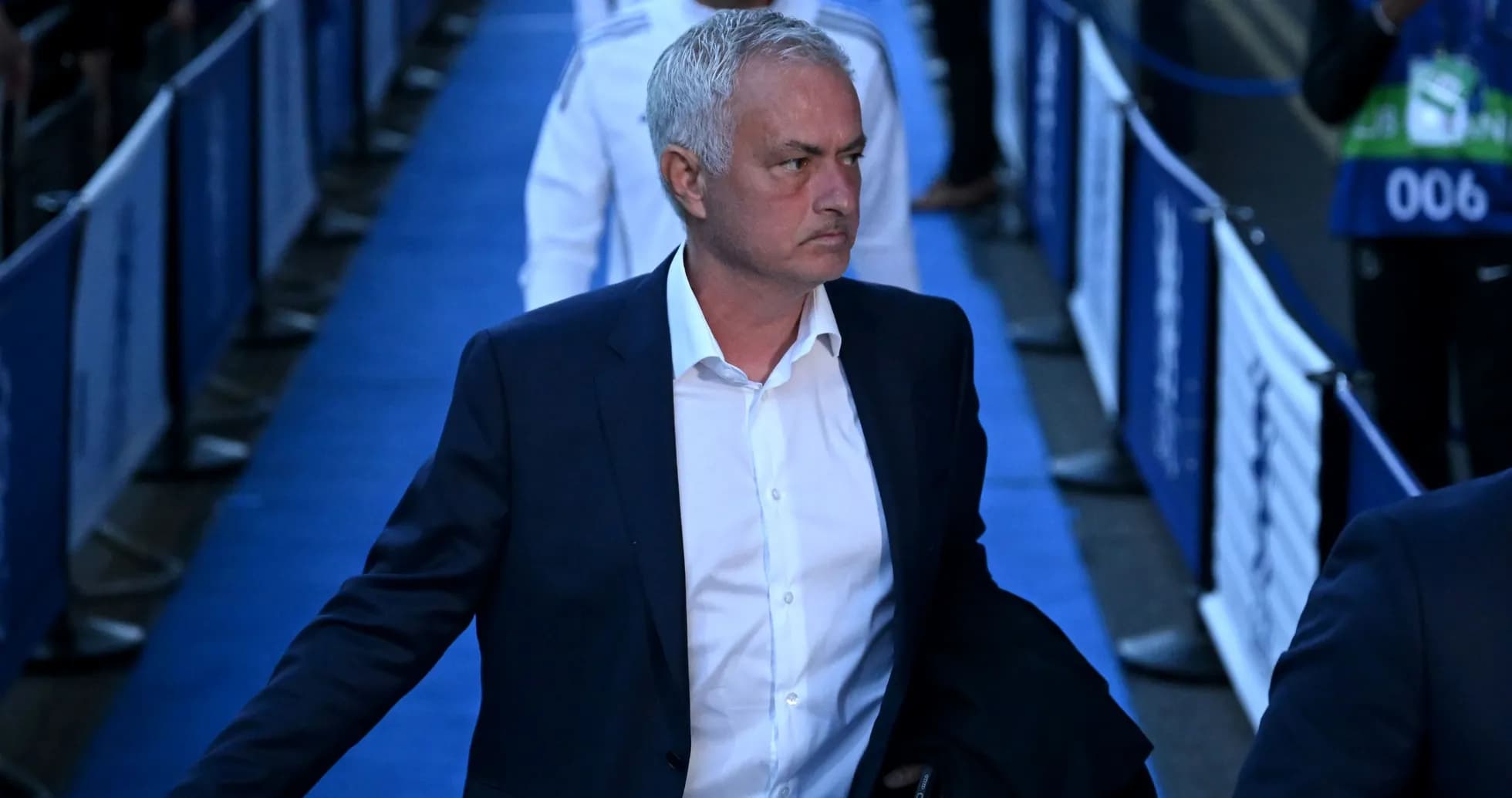
Chelsea Seek New Coach to Move Beyond Mourinho's Legacy
The chants still roll down from the stands when the football turns sour. “José Mourinho.” It is muscle memory at Stamford Bridge. But this time, the club is not singing along.
Chelsea’s hierarchy are deep into the search for a permanent successor to Liam Rosenior, who was dismissed after a short, stuttering spell in charge. His mandate was to steady a listing ship; he never truly got his hands on the wheel. Now, with Calum McFarlane installed as caretaker until the end of the season, the owners have a rare chance to reset the direction of the entire project.
And they are looking forward, not back.
Mourinho’s shadow, a different vision
Mourinho’s name still carries a unique weight in west London. He is, by any measure, the most decorated manager in Chelsea’s history. The numbers from his first spell between 2004 and 2007 remain etched into the club’s modern identity: 124 wins from 185 games, two Premier League titles, a swaggering new standard for what Chelsea could be. His return in 2013 brought another league crown and a League Cup, a second act that reinforced the myth.
That kind of legacy does not fade. It lingers. It fills the silence when results dip and patience thins.
But inside the boardroom, sentiment is not driving the discussion. The current ownership, operating under the BlueCo structure, is pushing a different long-term vision for the first-team squad and the man who leads it. They want a coach who fits a defined recruitment strategy, someone aligned with a younger, more contemporary tactical profile and with strong, recent Premier League experience.
That points them away from Mourinho, not towards him.
Iraola, Silva and a new profile
While Mourinho’s name still gets airtime among supporters, the shortlist being worked through by Behdad Eghbali and the sporting directors looks very different. Bournemouth’s Andoni Iraola and Fulham’s Marco Silva are understood to be among the leading candidates – both modern, front-foot coaches with clear identities and a track record of squeezing more out of their squads than the budget might suggest.
The thinking is obvious. Previous gambles on less proven or ill-fitting appointments have left scars. This time, Chelsea want a manager already battle-tested in the Premier League, someone who can step into the chaos and impose structure without needing a season to adapt.
The pressure finally told on Rosenior, who was tasked with stabilising fortunes but never fully managed to arrest the slide. McFarlane’s temporary promotion gives the board breathing space: a few months to interrogate every candidate, test every idea, and avoid another misstep.
The Mourinho question
On the outside, the romantic storyline writes itself: the “Special One” returns for a third act, rescues a drifting giant, and restores the old edge. Inside the club, that script is being quietly shredded.
Journalist Ben Jacobs, speaking to GiveMeSport, summed up the internal stance: “Chelsea have always downplayed Jose Mourinho returning. So something would have to change there.” The club’s position has been consistent; the door is not bolted shut, but it is very firmly closed.
Jacobs added that Mourinho is expected to be a free agent and that “a lot of people actually think that he’s quite likely to walk into the Portugal job after the World Cup.” The trajectory feels clear. While Chelsea look to reshape their future, Mourinho is widely tipped to pivot away from club football and towards the international stage.
So as supporters chant his name in frustration, the man himself may be plotting a very different kind of touchline – one defined by tournaments, not 38-game marathons.
A legend at arm’s length
Mourinho’s presence still hangs over Stamford Bridge. He was back recently in the Champions League with Benfica, a familiar silhouette in an unfamiliar dugout, a reminder of what he once built and how far the club has drifted from that era.
Yet club sources maintain that the focus is on managers with “more contemporary Premier League experience” and a stronger fit with BlueCo’s recruitment model. The nostalgia is acknowledged, even respected, but it is not steering the decision.
Chelsea have chosen their path: younger, progressive, Premier League-hardened. Iraola and Silva embody that direction. Mourinho, for all his history, does not.
The chants will continue. The banners will still appear. But as the board narrows its shortlist and prepares to define the next chapter, the “Special One” era looks less like a future option and more like a monument in the rear-view mirror.