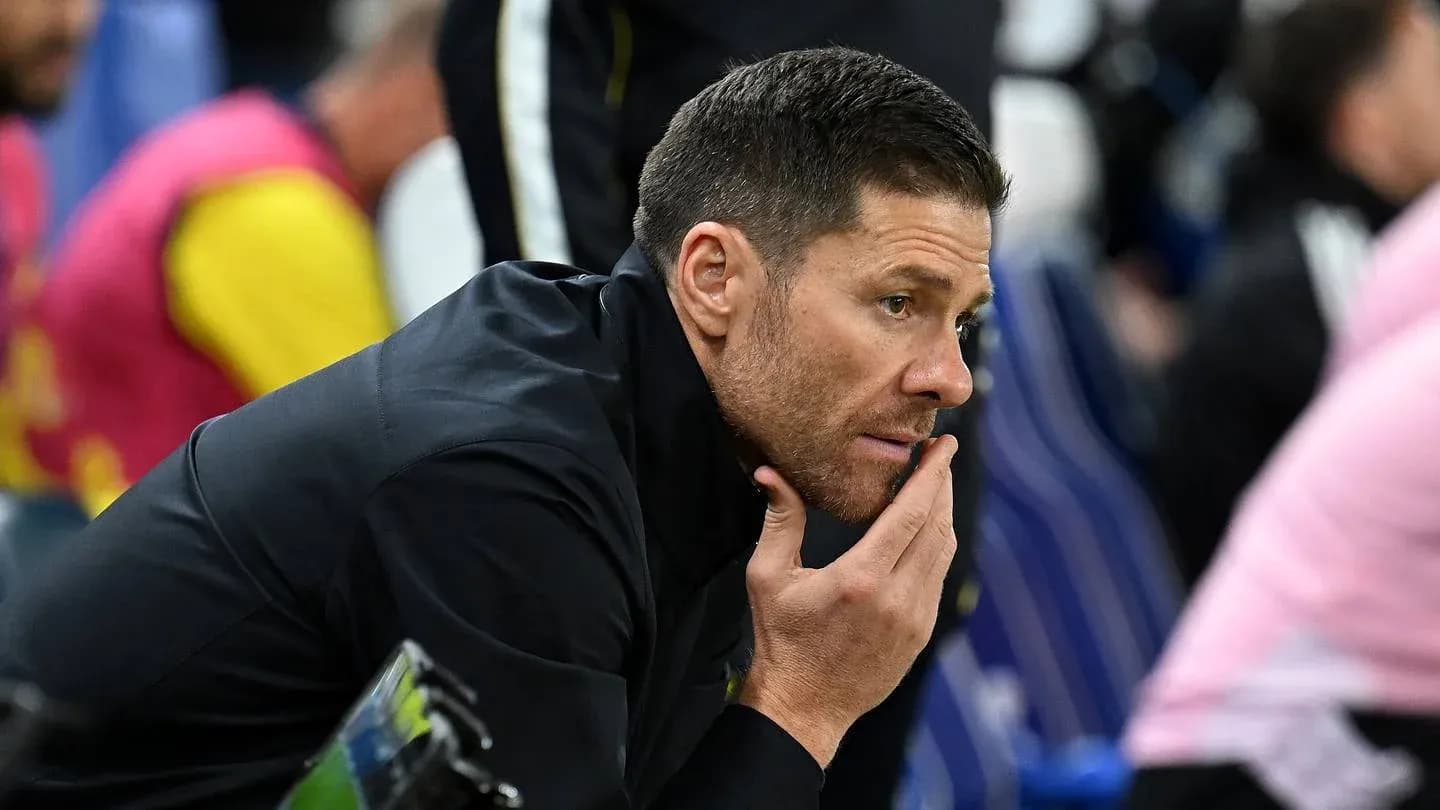
Chelsea's Transfer Window Drama: Enzo Fernandez and Lamine Camara
They thought they were being clever. Instead, as one source with links to both clubs put it, Chelsea and Monaco “played with fire and got burned.”
What unfolded over the final hours of the transfer window was a mess of late calls, shifting medical reports and changing minds that left everyone – Chelsea, Monaco, Everton, Folarin Balogun and Lamine Camara – worse off than when the day began.
Chelsea’s Enzo plan and the Camara chase
Chelsea went into deadline day preparing for the £125m sale of Enzo Fernandez to Manchester City with a clear idea: replace him, but only on their terms.
Lamine Camara, a 22-year-old Senegal international midfielder, sat high on their list. Monaco, though, refused to play ball at the price Chelsea were willing to pay.
“I’ve been speaking to them for the last 10 days,” Monaco sporting director Thiago Scuro said. “At around 16:00 BST yesterday we got contact from Chelsea. The answer was the same: no.”
Monaco’s stance looked firm. Camara was staying. The club had already allowed United States striker Folarin Balogun, 25, to travel to Merseyside to complete a £40m move to Everton, and internally they believed the midfielder had agreed to remain in Ligue 1.
With three hours left in the window, Chelsea seemed ready to live with that. They had failed with enquiries for Camara and Roma’s Manu Kone, but were content – on paper at least – with their midfield options even as Fernandez edged out of the door.
Then the medical in Liverpool started to wobble.
Balogun’s medical opens the door
Problems with Balogun’s Everton medical changed everything. Suddenly, the door that Monaco had kept shut on Camara creaked open again.
Chelsea, who had previously gone to £47m for the midfielder, re-entered talks with Monaco around 20:00 BST. This time, there was movement. The London club pushed ahead and, crucially, completed all the necessary paperwork in time. They didn’t even need a deal sheet.
While Chelsea worked, Everton scrambled. Having failed to land an alternative to Balogun, they revived the deal in the dying minutes before the deadline. The striker remained their priority.
That is when the whole structure collapsed.
“What happened was that around 22:00 BST our time, maybe a bit earlier, Everton realised there was no issue and decided they were ready to sign the contract [for Balogun],” Scuro told reporters.
“As soon as we received that information, we came back to Chelsea and said there was no deal. Because that’s also fair. It’s part of the game.”
Monaco pulled the plug. Camara, who had spoken to Chelsea manager Xabi Alonso, passed a medical and signed a contract running to 2033, was left stunned. Monaco acknowledge he was disappointed.
Chelsea were more than that. They were furious, not just at the collapse but at how it happened. The club claim Monaco informed them in writing that the deal was off, rather than picking up the phone as the clock ticked down.
Monaco, for their part, believed they had secured the sale they needed. By signing a deal sheet with Everton five minutes before the 23:00 BST deadline, they granted the Premier League club extra time to complete Balogun’s transfer and, they thought, locked in the fee required to help satisfy Uefa’s financial regulations.
They needed 150m euros in player sales this summer. They had reached 106m euros. Balogun was meant to bridge a significant chunk of that gap.
A twist in the small hours
Then came the final twist, long after the window had shut.
In the early hours of Tuesday morning, Balogun had a change of heart. The former Arsenal forward left Everton’s Finch Farm training ground without signing.
Scuro says Balogun felt he was mistreated during his time at the training complex, a claim Everton dispute. Whatever the truth, the outcome was clear: no move, no money, no resolution.
“We had to respect his decision,” Scuro said. “We found solutions, challenged the medical assessment and worked through the issues.
“I don’t want to create a war with Chelsea or Everton. My role is to protect Monaco and act in the club’s best interests. That’s what I’ve done since I arrived. It’s not about being loved by people outside the club. It’s about doing what Monaco needs.”
Monaco now face the same financial pressure, still short of their sales target. Scuro admits they may have to look at moving players to leagues whose windows remain open to raise the funds they need.
He insists he is ready to welcome both Balogun and Camara back into the fold and expects Camara to return with “full power” for Friday’s trip to Paris St-Germain.
“I really understand because a player can get excited by conversations with a coach and by everything a club like Chelsea can offer,” he said. “This is not the end of the world. It’s one opportunity. For a player with his level of talent, I’m very confident he will soon have even better options and offers than the one he had yesterday.”
Sources close to Camara suggest Liverpool retain a long-standing interest, waiting in the background for a future deal.
Chelsea’s gamble and the midfield question
Chelsea had circled Camara for the final 10 days of the window as the potential successor to Fernandez. They could have pushed harder, earlier. They chose not to.
The reason was simple: price. Monaco had treated Camara as effectively not for sale for most of the summer. Only an “exceptional” offer would change that, and those few hours on Tuesday evening were the only real window of opportunity.
When that window slammed shut, Chelsea were left with no time to pivot. The club were blindsided by the collapse and, once Monaco walked away, there was little scope to revive the transfer or move for another midfielder before the deadline.
They did hold one nuclear option: cancel Fernandez’s move to Manchester City. They chose not to detonate it, citing a sense of “professionalism” and a commitment to honouring an agreement already in place.
Chelsea wanted a midfielder, but not at any cost. They refused to be dragged into panic-buying or overpaying.
Alonso now leans heavily on captain Reece James as a midfield option alongside Moises Caicedo, Romeo Lavia and new arrivals Jordan Henderson and Valentin Barco within a 27-man squad. It is a creative solution, but not a comfortable one.
Injuries to Caicedo and Henderson, plus James’ workload, have already forced compromises. Full-back Malo Gusto was pushed into midfield in the 4-3 win over Brighton, a game in which Chelsea recorded just 25.6% possession – their lowest figure since records began in 2003-04.
Alonso could have started Barco, 21, who appeared as a second-half substitute, yet the club want to manage his return carefully after his short, stuttering spell at Brighton earlier in his career.
Inside the club, the debate is live: is this midfield deep and good enough? Chelsea retain the option to go back for Camara in January or move for another target if the first half of the season exposes flaws they currently believe they can manage.
A net profit, big names – and a test ahead
For all the chaos of deadline day, Chelsea left the window pleased with their balance sheet and their business. They made a net profit while still adding significant quality.
World Cup winner Emiliano Martinez arrived. So did France international Maxence Lacroix and club-record £117m signing Morgan Rogers. Experienced striker Danny Welbeck joined, as did full-backs Pep Chavarria and Marco Palestra.
The board feel they have armed Alonso with enough to chase their ambitions. The market is closed. The arguments are parked until January.
Now the noise moves from the boardroom to the pitch.
Chelsea head to champions Arsenal on Sunday with a rebuilt squad, a midfield under scrutiny and the lingering sense of a missed opportunity in Camara. The question is no longer who they failed to sign.
It is whether what they have is truly enough.