Como 1907: From Bankruptcy to Ambitious Entertainment Empire
On the shores of Lake Como, where tourists once came only for the water, the villas and the quiet, a football club is trying to turn itself into something far bigger than a team in sky blue shirts.
Como 1907, promoted back to Serie A in 2024, now sits at the crossroads of local romance and global ambition. At the heart of that transformation stood two Indonesian brothers whose deaths last week underline just how quickly this story has moved, and how much of it bears their imprint.
From bankruptcy to billionaires
Not long ago, Como were a cautionary tale, not a case study.
They had enjoyed a five-year spell in Serie A in the 1980s, then slipped away. Apart from a brief return in 2003/04, the club lived in the second and third tiers. Relegation from Serie A in 2004 ended with bankruptcy. A second collapse in 2016 saw the club auctioned off.
Akosua Puni Essien, wife of former Ghana international Michael Essien, picked up the pieces for €237,000. The rescue was short-lived. Liquidity problems forced another sale. Como, a club from one of the most glamorous locations in Europe, looked anything but glamorous.
Then came the Hartonos.
Robert Budi Hartono and Michael Bambang Hartono, whose fortune is estimated at more than 40 billion US dollars, arrived via their entertainment company Sent Entertainment Limited in 2019. They paid around €350,000 for a fourth-tier side drowning in debt. They cleared the liabilities, stabilised the operation and started the climb back to the top flight.
Today, Como’s owners rank among the wealthiest in Serie A. The journey has been swift, calculated and unapologetically ambitious.
Wise, Henry, Fàbregas – and Uber
The revolution has not stopped at the balance sheet.
In 2021, former England midfielder Dennis Wise took over as managing director. Given broad authority to reshape the club, he set about building a squad and structure capable of competing at the highest level. His spell ended in 2024, but the direction of travel was clear.
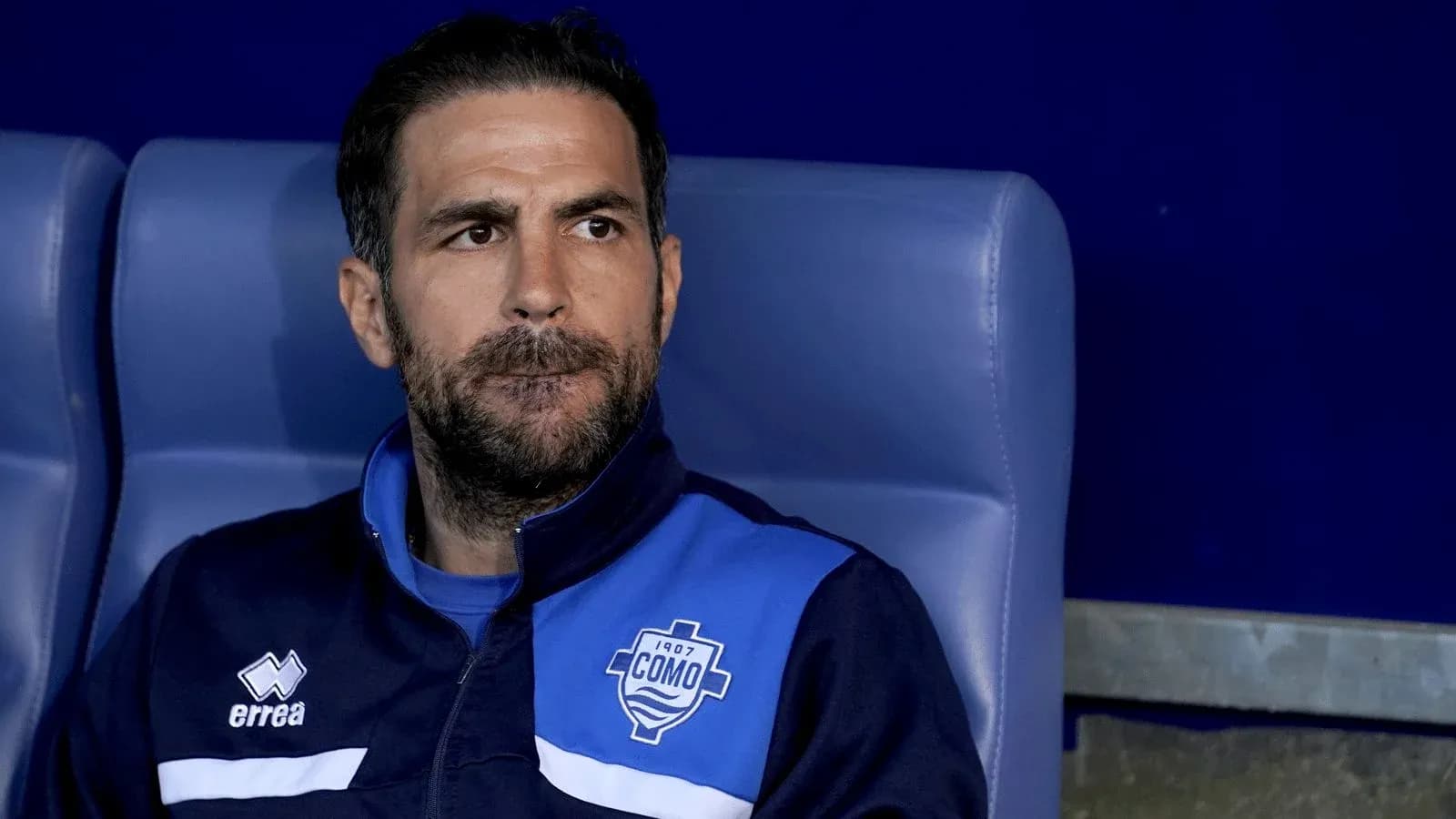
The names kept coming. Cesc Fàbregas arrived first as a player, then moved onto the bench as assistant coach, and since 2024 has been the head coach. Thierry Henry joined as a shareholder, lending star power rather than touchline influence.
Commercially, Como began to think like a global brand. The Hartonos’ network delivered a headline partner: Uber signed on as main sponsor for the 2024/25 season, the US giant’s first venture into Italian sport. In January 2025, Como struck a strategic partnership with Ajax Amsterdam, tying themselves to one of Europe’s great talent factories.
The message was unmistakable: this was no small-town club content to make up the numbers.
A club, a city, a theme park
The owners insist, though, that this is not a classic investor play. They present themselves less as asset strippers, more as city-builders.
Their vision stretches beyond 90 minutes on a Sunday. They talk about benefitting the club, the city, the residents, the wider region. They contrast their approach with models such as RB Leipzig, where football serves primarily as a marketing arm for a corporate product. Como, they argue, should be a sustainable entertainment project rooted in its surroundings.
The gestures are sometimes small, sometimes theatrical. Every newborn in Como’s city hospitals receives a club baby bodysuit. Fourteen local bars are tied into a simple promise: when the team wins a competitive match, the guests get a round of drinks on the club. It is calculated, of course, but it is also clear. They want Como to feel like a gift to the city, not an intrusion.
The stadium sits at the centre of this vision.
Stadio Giuseppe Sinigaglia, built in 1927, is one of the most picturesque grounds in Europe, perched directly on the lake with water and mountains framing the pitch. It still belongs to the city, but plans are in motion for the club to acquire it and turn it into their own property. Promotion in 2024 forced urgent renovation work on the near-century-old arena. Capacity currently stands at around 13,600. That number is set to rise.
The blueprint on the owners’ desks is not another football ground. It is Disneyland.
They want a lakeside park, a modern stadium, an all-day entertainment district. Football as the anchor, but not the only attraction. “What the theme park is to Disney, the football club and the match-day experience are to us. We are fortunate to be in a place where the city itself is a brand: Lake Como is a global brand. It would be foolish not to seize this opportunity – to integrate football into the ecosystem, not as the centrepiece, but as a key element,” club president and Sent CEO Mirwan Suwarso told Italian outlet Calcio e Finanza.
Como 1907, in that telling, becomes one part of a larger show: football, tourism, merchandising, celebrity, all wrapped in the Lake Como master brand.
A global project in a small town
The contrast is striking.
On one side, an idyllic northern Italian town, postcard-perfect, steeped in traditional ideas of local football. On the other, an ownership group chasing worldwide recognition, courting sponsors, celebrities and foreign partners.
The tension is already visible. The club’s main social media language is English. Meetings between Como officials and representatives of Saudi Arabian clubs have raised eyebrows and suspicions among sections of the fanbase. The club that once felt purely local now speaks with a global accent.
And then there is the squad.
From a sporting perspective, Como have so far contributed little to the regional football ecosystem. Not a single player in the first team comes from the club’s own youth system. Only two Italians, reserve goalkeeper Mauro Vigorito and defender Edoardo Goldaniga, feature in the squad at all.
The numbers are stark. According to Corriere dello Sport, an Italian player has been on the pitch for Como this season for exactly one minute. Goldaniga came on in stoppage time during a 2-1 away win at Fiorentina in September and played 60 seconds. That is it. No other club in Serie A uses domestic players so rarely. Even bottom side Hellas Verona, second-bottom in this particular ranking, have given Italians 4,137 minutes.
It is a statistic that cuts through the marketing slogans. A club that speaks of serving its city currently fields a team almost entirely drawn from elsewhere.
Dream or disconnect?
The Hartono brothers rescued Como from oblivion, dragged it out of bankruptcy and back into the elite. They brought in big names, heavyweight sponsors and a daring, theme-park vision that few in Italian football would even attempt.
The question now hangs over the lake: can a club turn itself into an entertainment empire without losing the people who stood on those crumbling terraces long before the billionaires arrived?