Crystal Palace and Newcastle: A Crucial Moment for Two Clubs
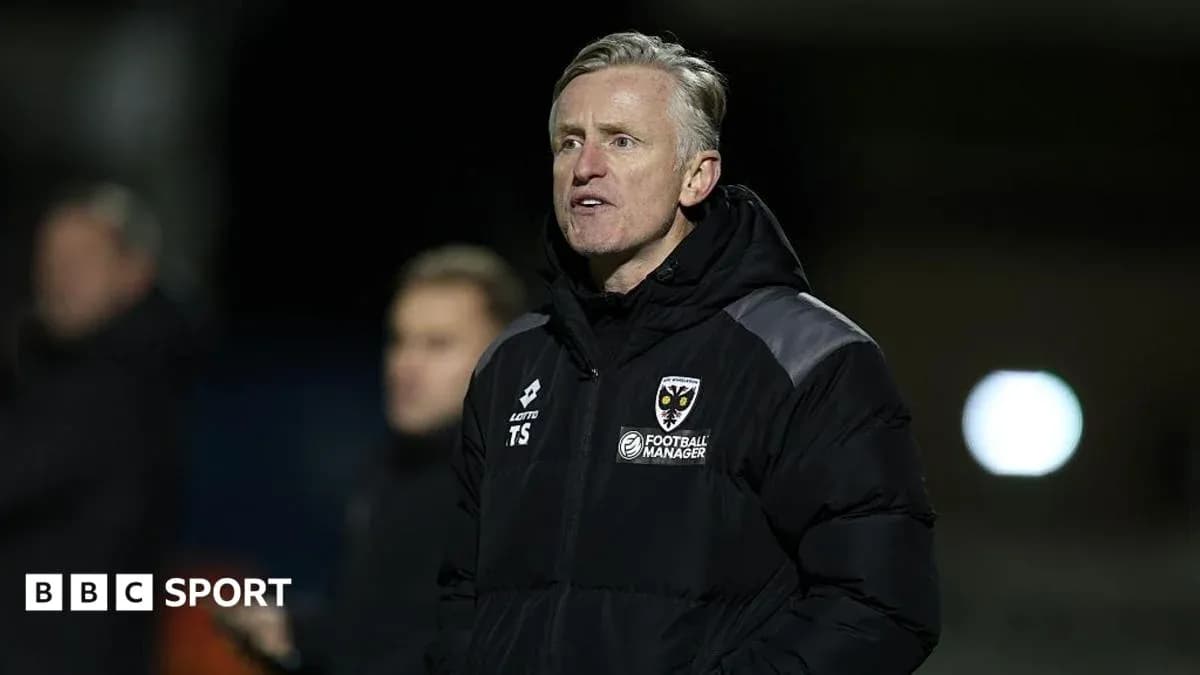
Pierre Sage stands on the touchline with 17 goals against in seven league games hanging around his neck like a millstone. This is not what Crystal Palace’s hierarchy paid for. Not what the fans were sold. Not what anyone in south London thought would follow a year of trophies and momentum under Oliver Glasner.
The change in philosophy has been brutal. Glasner’s compact, counterattacking 3-4-2-1 has been ripped up in favour of Sage’s more aggressive, front‑foot approach. The result? Space everywhere, structure nowhere. The 4-1 humiliation at Brighton didn’t just sting; it exposed a defence stripped of protection and a squad unsure of its bearings.
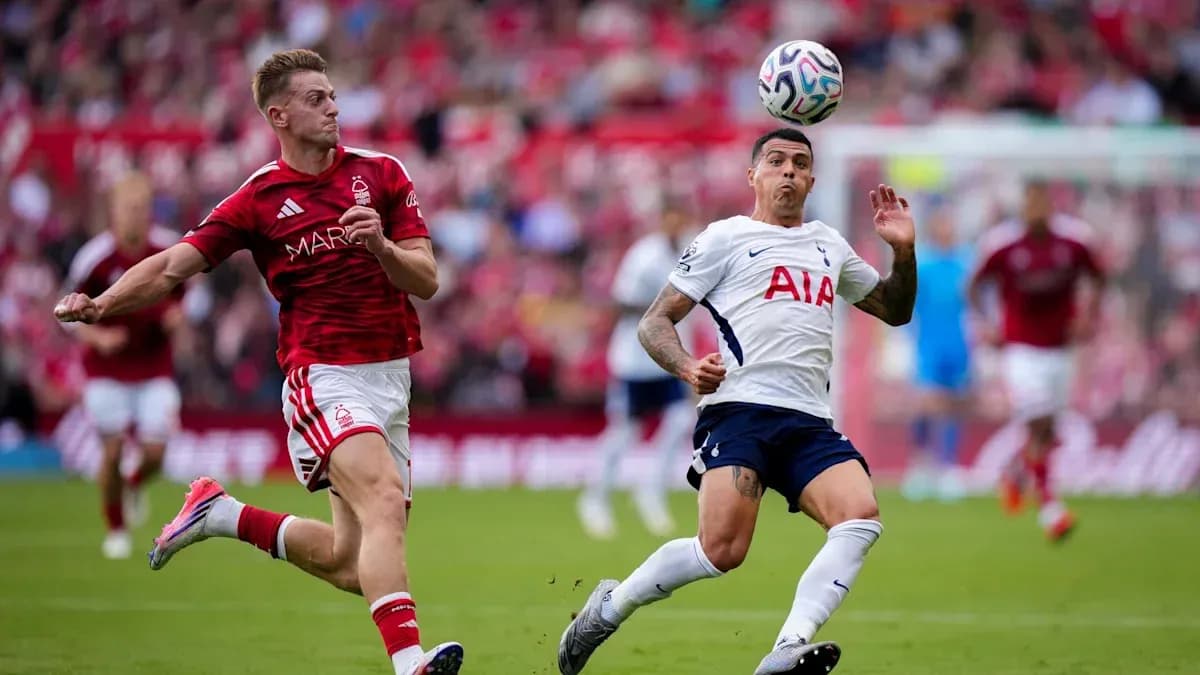
Even the wins have felt fragile. Fulham and Nottingham Forest were beaten, but both games could easily have gone the other way. Palace, once a side that strangled opponents and pounced, now look open, stretched, and oddly fragile. Supporters who grew used to the clarity and edge of the Glasner era are suddenly looking down instead of up, counting points to the bottom three in early autumn.
Newcastle, on the other hand, are a different kind of mess. Less emotional, more structural. So much has changed on Tyneside that judgment feels premature – but not irrelevant.
The club sold Sandro Tonali, Anthony Gordon and Bruno Guimarães in the summer. Any side losing its three best players in one window expects turbulence. Newcastle then tried to rebuild at speed: eight signings, four of them 20 or under, none older than 24, and only Nico González with any Premier League minutes behind him. Then came the late managerial change. New head coach, new backroom staff, new style. All of it three weeks before the season kicked off.
Teething problems? They were baked into the plan.
Sage on the brink
Inside Selhurst Park, the mood around Sage is tense. He was warned after the Brighton defeat that things must improve quickly or he will be out. Steve Parish, the Palace chair, remains unconvinced by the man who led Lens to the French Cup last season and has made it clear: fix the defence or face the consequences.
The Europa League draw at Besiktas in midweek offered a flicker of light. Palace looked more compact, more disciplined. Jean-Philippe Mateta scored on his first start since the opening day. It wasn’t a transformation, but it was something.
Sunday against Newcastle, though, is not just another fixture. It is a judgement. Lose heavily again and the conversation shifts from “under pressure” to “when, not if”. Thomas Frank and Kieran McKenna are already being mentioned in the corridors of power. Ipswich would demand substantial compensation for McKenna despite his summer departure from Portman Road, but that kind of detail only becomes relevant when a club starts genuinely planning for change.
Sage cannot pretend he is blameless. Palace look a shadow of the side that collected three trophies in 12 months under Glasner, and some of that regression is on him. He clashed with Parish after missing out on several preferred transfer targets, yet his own choices have also destabilised the team.
The biggest call? Breaking up the Adam Wharton–Daichi Kamada partnership at the base of midfield to accommodate deadline-day signing Quinten Timber. Timber has brought energy, Kamada has thrived in a more advanced role, but Wharton has been left exposed defensively. At Besiktas, with Wharton and Kamada reunited in the middle, Palace looked far more solid – exactly as they did under Glasner. It feels like the obvious solution is sitting in front of him.
Chaos in the market, cracks on the pitch
The summer window did Sage few favours. Palace ended it with a bloated squad and not nearly enough leadership at the back. Maxence Lacroix went to Chelsea and his presence has not been replaced. Axel Disasi arrived on loan from Stamford Bridge along with teenage forward Honest Ahanor, only for Disasi to pick up a reckless red card against Ipswich and a three‑match ban that stripped yet more experience from an already fragile back line.
Parish and sporting director Matt Hobbs are not escaping scrutiny. The lack of seasoned defensive cover has left the manager juggling short-term fixes and hoping young players grow up fast. Hobbs’s position is thought to be under heavy review.
Then there are the forwards. Ismaïla Sarr and Mateta both made it clear they wanted out in the summer. They stayed. Unhappy attackers rarely defend with enthusiasm, and in a high-risk system their reluctance shows.
Yet the club’s wider picture offers both security and pressure. Palace turned a net profit of almost £40m in the summer – the second lowest net spend in the league behind Aston Villa – and have American owners collectively estimated to be worth around £10bn. Even so, Parish has admitted he is still looking for extra funding to complete the new main stand at Selhurst Park. Woody Johnson, Josh Harris and David Blitzer are all thought to be open to selling their shares, with Raine Group enlisted to seek fresh investment.
Relegation, in that context, is unthinkable. Survival is not just sporting; it is financial leverage.
Sage has shown at Lens that he can build a winning team. But Palace, right now, are asking a simple question: how long can they wait?
Jaissle’s Newcastle: Vertical or just direct?
On Tyneside, the pressure is more nuanced. Internally, Matthias Jaissle is under nothing like the same strain. Externally, the glow has faded quickly.
Newcastle paid Al-Ahli £9.5m to free the 38‑year‑old German from Saudi Arabia, convinced his “vertical football” would fit their project. Chief executive David Hopkinson and sporting director Ross Wilson are impressed by his work on the training ground and his collaborative style. They know he arrived late, missed a proper pre‑season and inherited both injuries and upheaval. They always expected a season of swings and dips.
The owners’ ambitions complicate that realism. Newcastle’s Saudi backers want European football back on the agenda. They see 11th place and a style of play that has not yet convinced.
Many supporters look at Jaissle’s version of “vertical” and see something far less sophisticated: long ball with branding. They question his system, his team selections, his apparent commitment to an idea that does not quite suit the squad. They worry he is more ideologue than problem-solver.
The numbers at the back do not help. Newcastle have gone 13 league games without a clean sheet, equalling a club record. Six of those came under Eddie Howe, but the streak now belongs to Jaissle too.
His preferred 4-2-3-1, with a classic No 10, is at the heart of the debate. Newcastle do not have a natural playmaker to fill that role. González, a holding midfielder by trade, often finds himself overrun, dragged into too many fires at once. Malick Thiaw and, especially, Sven Botman have struggled in central defence. The structure looks brittle.
A switch to 3-5-2 feels logical on paper. It would add a defender, give González more cover and tighten the spaces that opponents currently exploit. More importantly, a more conservative, contain-and-counter approach would suit a squad built on pace and power in transition. At present, Jaissle’s high press and attacking intent leave his side open, stretched and repeatedly punished.
His critics see shades of Ruben Amorim – a coach wedded to a philosophy even when the pieces do not fit. Newcastle insiders insist Jaissle will prove more adaptable than that. Sunday would be a good time to show it.
Limited control, high expectations
Jaissle can fairly point to the circumstances. He arrived late. Wilson had already driven most of the summer business. Of the eight signings, he has quickly judged that Aladji Bamba (£34m from Monaco) and Bazoumana Touré (£43m from Hoffenheim) are not yet ready for the intensity of the Premier League. Matias Fernandez-Pardo, the £51m forward from Lille, has the pace and movement but looks like he needs time to adjust to the league’s physical and tactical demands.
Newcastle’s policy of targeting players under 25 has left the dressing room short on established leaders. When results wobble, that lack of hardened voices shows.
The injury list muddies the picture further. Anthony Elanga, Tino Livramento and Jacob Ramsey are among the notable absentees. Whether Jaissle’s high-intensity training has contributed to that is hard to prove, but the suspicion lingers in the background whenever another player limps off.
Still, the table is unforgiving. Newcastle sit 11th. On paper, a win at Selhurst Park is not season-defining. In reality, it carries weight. Back-to-back defeats – 4-1 at Coventry and 1-0 at home to Aston Villa – have dented confidence and stoked online anger. A victory in south London would steady the mood, restore belief in the project and give Jaissle something more tangible than theory to point to.
One game, two narratives
So the stage is set. Palace, who have not lost at home to Newcastle since November 2020, cling to a record that suddenly feels like more than a quirk of the fixture list. Sage has seen signs of life in Europe, but he needs points, not plaudits. Jaissle has had extra time to prepare and a squad still trying to understand exactly what he wants.
For Palace, three points would buy Sage breathing space and quieten the talk of successors. For Newcastle, the same result would look like a line in the sand after a shaky run.
Two clubs in transition. Two managers under very different kinds of scrutiny. One match that will not decide their seasons – but might just decide how both of them are allowed to live it.