David Moyes Reflects on Everton's Late Goals and European Ambitions
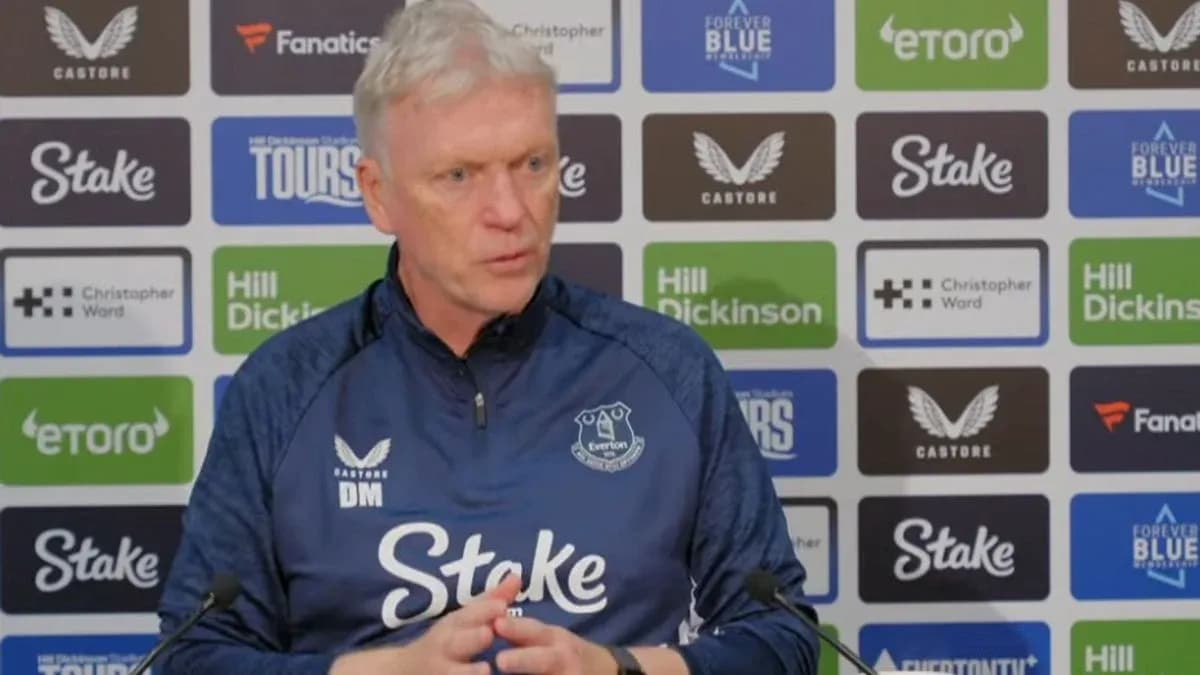
David Moyes sat down at Finch Farm still carrying Monday night on his shoulders.
“Monday’s stuck quite badly,” he admitted, the late blows of recent weeks clearly gnawing at him. Everton’s manager has watched stoppage time turn from a footnote into a recurring nightmare – Manchester City, Liverpool, West Ham – three games twisted in the dying moments, three results that could yet define their season.
Idrissa out, but not gone
The first big question was the one everyone expected. Idrissa Gueye.
Moyes confirmed the midfielder is out for the weekend and still not in training, though he stressed the injury is “not serious” and that they hope to have him back soon. With Gueye out of contract in the summer – the club holding only a short extension option – the clock is ticking loudly on his Everton future, but Moyes refused to be drawn on the wider situation.
“When we have something to tell you we will let you know,” was as far as he would go.
Tim Iroegbunam, by contrast, looks fine for Sunday after cramp on Monday, a relief given how much Moyes has leaned on him. The same goes for Merlin Röhl, another who has forced his way into the manager’s thoughts.
“Tim and Merlin are terrific boys,” Moyes said, clearly enjoying their emergence. He believes people are only just starting to see what Röhl can do and admits Everton are still working out how to use him to maximum effect.
Late goals, lingering scars
The pattern is obvious and Moyes knows it. Everton have been punished late, repeatedly. The Jeremy Doku equaliser against City cut deep, not just because of the quality of the opposition but because it slotted neatly into an unwelcome trend.
Asked whether the club had forensically examined those late concessions, Moyes pushed the responsibility back onto the pitch.
“To an extent,” he said of the analysis. For him, it comes down to decisions, clarity, nerve. “Quite often as the manager you are hoping they get more decisions right on the pitch than wrong.”
He confessed he starts with himself after games like that, replaying moments, wondering what he could have done differently. Even substitutions are now framed through the prism of added time.
He does not like making changes late on because of the extra minutes they invite, he said. On Monday, he had no choice when Iroegbunam went down injured. The referee, in Moyes’ view, was within his rights to play the additional time, but the players’ game management still grated. He pointed to the unnecessary charge of three players up the pitch when Everton cleared late on, a rush of blood that left them exposed.
Those details, those seconds, are what separate a European push from a season of regret.
Dreaming of Europe
Despite the bruises, Everton are still in the hunt. The permutations are tangled, but the equation at Selhurst Park on Sunday is brutally simple: they badly need a win.
Moyes has made no secret of how much European football drives him. Watching the likes of Aston Villa and Crystal Palace thrive on the continental stage has only sharpened that hunger.
He has done it before, of course, with West Ham, and he lit up when he talked about that experience.
He said it was “amazing for everyone at the club” and admitted he has been “dreaming all year” about doing the same for Everton. Last season ended on a high, and he is desperate to recreate that surge, to keep what he calls the “positive momentum” rolling into the summer.
For the final three games, his target is straightforward. “Play well,” he said, then quickly added the non-negotiable: he wants wins too. He knows they are still “a long way off Man City”, but he sees progress, a team becoming more exciting, more ambitious. Now he wants the table to show it.
Selection puzzles up front
Up front, Moyes faces the kind of problem every manager wants – strikers in form, strikers making his decisions difficult.
Asked to weigh up Barry versus Beto, he pointed to Beto’s recent form but admitted his forwards have kept him guessing all season. Could they start together? “Maybe,” he said, but warned that it would require “quite a few bits and pieces” to change in the system.
If it turns into a must-win situation, though, his instinct is clear: he will try to get as many attacking players on the pitch as possible.
He is pleased to have three players on eight Premier League goals – the first time in Everton’s Premier League history that three players have hit that mark in the same campaign. Still, he wants more. More goals, more threat, more edge. That, in his mind, is what will push Everton over the line and into Europe.
Building beyond the run-in
Moyes insists the final three fixtures will not tear up his summer blueprint. He describes himself as “pretty set” on his plans, though he accepts European qualification would inevitably tweak the scale and ambition of what comes next.
He would like more academy players pressing for promotion to the first team. The presence of the U21s training at Finch Farm while he spoke felt symbolic: the next wave is close enough to hear the first team’s conversations, close enough to see the standard required.
There is, inevitably, the question of Jack Grealish. Moyes offered no update, simply noting that “Jack is loved everywhere he goes and he is certainly loved here.” No more, no less.
What he is certain about is using the summer to build on this season rather than start again. Everton, in his mind, are finally on an upward curve. The job now is to make sure it does not flatten out.
Palace’s high, Everton’s need
Crystal Palace arrive from a very different emotional place. It was a momentous night for them as they secured a place in the UEFA Conference League final, a landmark achievement that earned the players a day off.
Oliver Glasner has no intention of letting his squad drift, though. He spoke of learning from a “bad experience” after the first leg against Shakhtar, when training the next day left his players flat. This time he has sent them out to enjoy themselves in London, rest, reset, then reconvene on Saturday.
“I said to the players that we won’t wave the white flag against Everton,” Glasner warned. The message is clear: celebration does not mean surrender.
Moyes was asked whether Palace’s European high might offer an opportunity, some kind of emotional hangover to exploit. He refused to buy into that narrative. It is not that simple, he said, though he did admit he is “hoping that CP are finding they have some effects” from their midweek exertions.
He praised Palace’s achievement and offered warm congratulations to Glasner for the work he has done. Respect, but not deference.
Two halves, three games, one push
Moyes’ reflections on Monday were telling. He loved the second half, he said, but reminded everyone that “games are about two halves and they have to do well in both.” That, in many ways, is Everton’s season in miniature – impressive spells, encouraging signs, but too often undone by lapses at either end of the contest.
Iroegbunam and Röhl, he insisted, have been in his thoughts all year, so their displays against City only underlined what he already believed. They did play well, but this was not some overnight audition won. They are part of the plan.
The plan now runs through Selhurst Park, through three games that will decide whether Moyes’ year-long dream of European nights in royal blue survives or slips into the realm of what might have been.
The margins have been cruel. Stoppage time has been merciless.
Everton have three matches left to change that story.