Deniz Undav: The Late-Blooming Striker Shaping His Future
Deniz Undav has never really fit the template. No academy pedigree, no carefully curated pathway, no early branding as a “next big thing”. Just a late-blooming striker who came through SV Meppen and forced his way into the elite by sheer weight of goals.
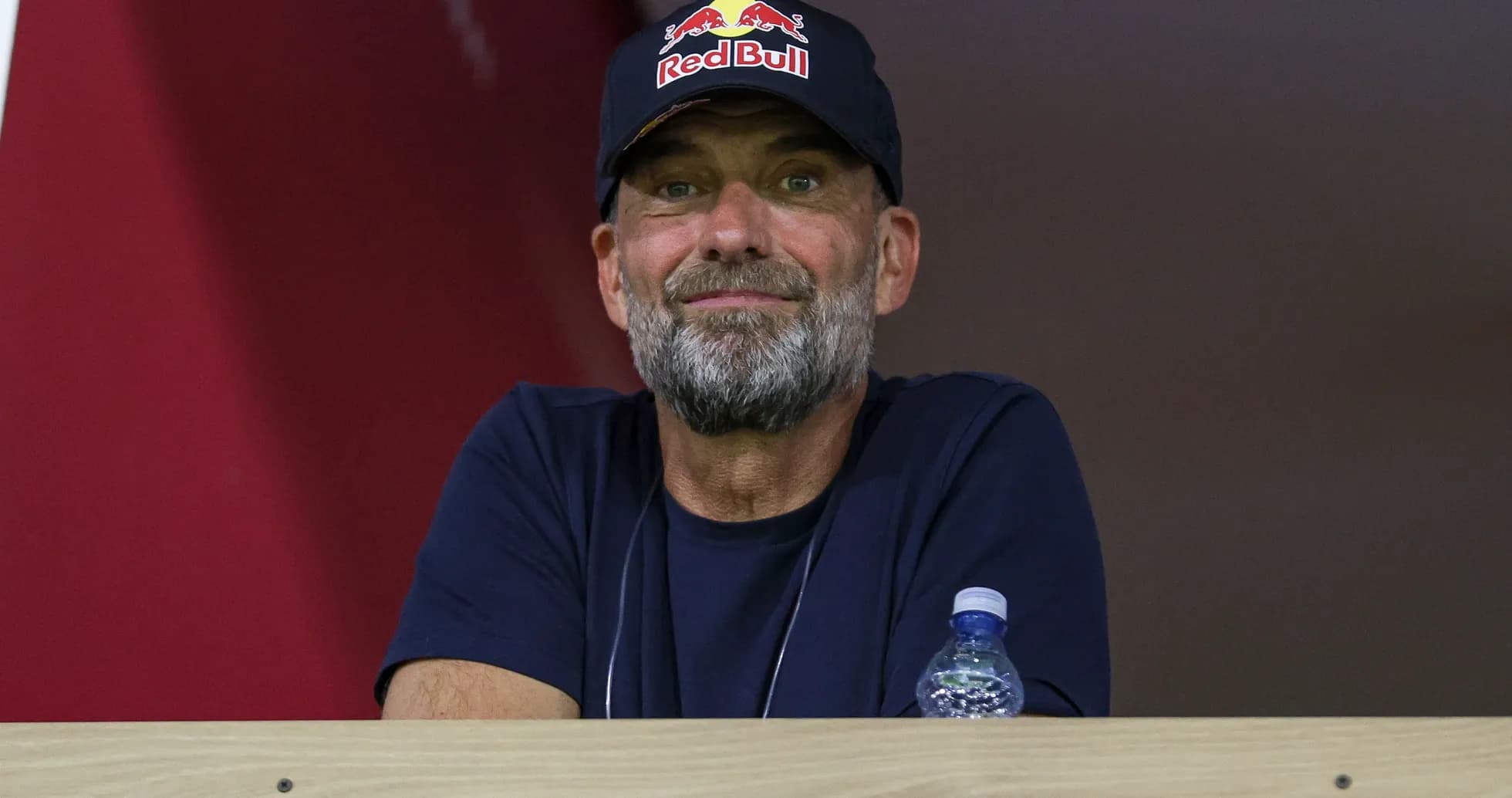
“He’s worked hard for his success,” said Jürgen Klopp, now Head of Global Soccer at Red Bull. “I like the way he plays.”
It was a simple line, but it cut through the noise. Klopp was talking about a career that has zigzagged through Union Saint-Gilloise and Brighton & Hove Albion before exploding at VfB Stuttgart.
In 2024, VfB made him their record signing after a blistering loan spell. At 29, most forwards are either established stars or fading assets. Undav is something else entirely: the Bundesliga’s most productive German attacker this season, with 37 goal contributions – 24 goals and 13 assists. He has bullied defences, carried VfB into the sharp end of the campaign and dragged his name into every conversation about form players heading into the World Cup.
And yet, he still cannot get a starting place for Germany.
Super-sub status and a storm over Nagelsmann’s words
Julian Nagelsmann has kept him on the bench, preferring other profiles for his starting XI. Undav’s role has been reduced to that of impact substitute, a weapon to be unleashed when legs are heavy and spaces open.
The tension around that decision exploded during the March training camp. Germany beat Ghana 2-1, Undav came on and scored a late winner. A classic centre-forward’s intervention: decisive, ruthless, exactly what you would expect from a man in his kind of form.
Then came Nagelsmann’s assessment.
“After running for 70 minutes in 42-degree heat, I'm not sure he'd still have the sharpness to finish like that,” the national coach said. “It’s a long run, and after 70 minutes – in 42-degree heat – that can be tough. He’ll be under pressure to justify his starting spot, so from my perspective, he can keep going as long as he’s comfortable with his own goal tally.”
For a striker who had just won the game, it landed like a slap. The comments triggered a nationwide debate: how do you treat one of the most in-form German forwards? Was this tough love, or unnecessary public criticism of a player still trying to secure his place in a World Cup squad?
The backlash was swift. Nagelsmann, just 38 and still shaping his authority at international level, realised he had misjudged the tone.
Shortly afterwards, he went on MagentaTV and walked it back. Completely. “It wasn’t right and was far too harsh for public consumption,” he admitted. He revealed that conversations with his wife Lena had helped him see the mistake, and that he had apologised directly to Undav the next day. The striker, he said, accepted the apology.
The episode did not change the hierarchy in attack, but it did change the temperature around the discussion. It showed just how closely the country is watching Undav’s story.
Locked-in starters and a crowded attack
Nagelsmann has been far clearer on some of his other attacking choices. Kai Havertz and Florian Wirtz, he confirmed, will be regulars in Germany’s frontline. Havertz, “who is now getting back into form”, is central to Klopp’s World Cup vision as well. “He is extremely important,” Klopp stressed, putting the Arsenal man at the heart of his hopes for the tournament.
Jamal Musiala, Nick Woltemade and Leroy Sané are also pushing hard for starting roles at the World Cup overseas. It is a gifted, fluid group of attackers, full of technicians and dribblers, players who like the ball to feet.
Undav is the outlier: a penalty-box predator with a late-runner’s hunger and a season’s worth of proof that he can turn half-chances into hard numbers. The question is whether that profile is seen as luxury depth or a necessity.
Chasing Mario Gomez and a bigger contract
While the national team debate rages, the numbers at VfB keep stacking up. With his 37 combined goals and assists, Undav already sits second in the club’s all-time single-season rankings. Only Mario Gomez’s 2008-09 campaign stands above him: 35 goals and six assists.
Opta’s data spells out the target. Undav needs just four more goal contributions to match Gomez’s mark. He has three Bundesliga fixtures left and a cup final against FC Bayern Munich to get there.
Four contributions. Four moments. Across four games that will define not just VfB’s season, but the shape of his own future.
Because every goal and assist now also feeds into another battle: his contract talks. Undav is reported to be pushing for a club-record salary, a demand that would have seemed fanciful back when he was grinding away outside the academy system. An agreement is still regarded as likely, but with each decisive touch, his bargaining position grows stronger.
If he drags down Gomez’s record and walks into a cup final against Bayern as the most productive striker in VfB’s modern history, how much is that worth?