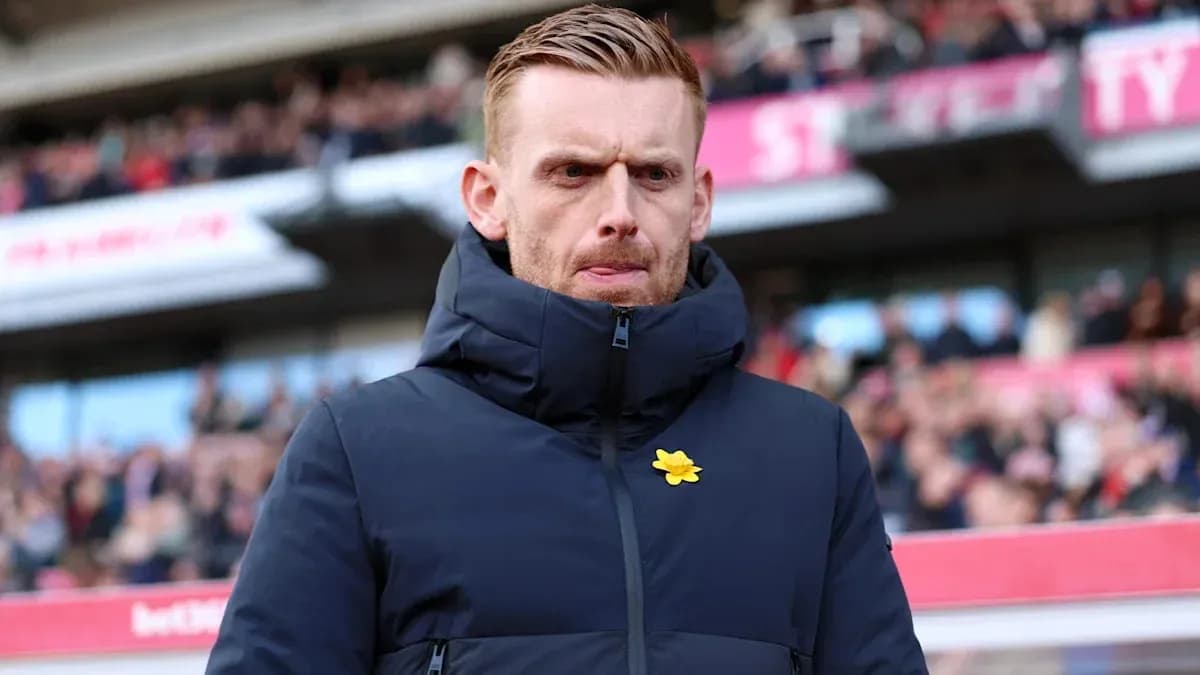
Ed Still’s Coaching Challenges: A Year of Two Sackings
Ed Still’s latest job ended the way his last one did – with a phone call and a verdict. Sacked. This time by RAAL La Louvière, days after a 1-0 defeat to fellow strugglers Cercle Brugge.
On paper, it looks damning: two jobs lost in a matter of months, Watford first, now RAAL. In reality, this latest dismissal says as much about the clubs that hired him as it does about the coach they’ve just pushed out of the door.
Two Penalties, No Mercy
RAAL’s loss at the weekend felt like the kind of match that can define a season – or, in Still’s case, end a tenure. His side earned two penalties. They missed both. Cercle Brugge, hanging on themselves, took their one big chance and left with the points.
Still didn’t take either spot-kick. He didn’t choose the angles or the height. He watched his players fail from 12 yards twice, then watched the consequences land on his desk.
Chairman Salvatore Curaba moved quickly. He spoke of wanting a “more experienced” head coach and suggested the staff around Still were too young for the battle ahead. The message was clear: this is not the moment for a project, this is a moment for survival.
Still, again, was the one to pay.
A Career of Tough Choices and Tougher Contexts
Losing the Watford job has become almost a rite of passage for modern coaches. Few survive long at Vicarage Road, and Still was no exception. His time in England never really caught fire, but the pattern of his recent years shows a coach repeatedly walking into storms he did not create.
His reputation was made at Charleroi, where he impressed and earned a step up in profile. Since then, the moves have looked ambitious on the surface and deeply problematic underneath.
At Eupen, he arrived late in the campaign and inherited a fragile squad. He did what was asked of him in the short term: kept the Pandas in the league. He never got a proper summer, never got the chance to rebuild a tired group. By the following season, without that reset, Eupen went down. The relegation landed on the club’s record, but the context of Still’s brief spell there is often forgotten.
Then came Kortrijk. Another rescue mission, another fire to walk into. He was appointed late, with the season already rolling, and handed almost no new signings. The club had spent the summer in takeover talks, the ownership situation unresolved, the squad stuck in limbo. When the sale fell through, Still was brought in at the last minute and asked to make sense of the mess.
He didn’t win a game. On the surface, that statistic is brutal. Underneath, it is the kind of situation where many coaches, even those with far bigger reputations, would have been buried.
From Too Few Players to Too Many
After Watford, Still headed back to Belgium and accepted the RAAL La Louvière job this summer. If Kortrijk had starved him of players, RAAL did the opposite.
They flooded the squad.
RAAL were one of the most active sides in the market, bringing in 15 new players in the summer alone. Multiple options in almost every position. On one hand, it looked like ambition. On the other, it handed Still a different kind of problem: a bloated dressing room, too many faces, not enough time to properly assess, blend, and balance.
For a club many expected to struggle, the start under Still wasn’t disastrous. There were signs of life. He leaves with three wins, one draw, and eight defeats, RAAL sitting 17th. Not good enough for a board staring at the table and panicking, but not a total collapse either.
Behind the scenes, plans are already underway to bring in yet more players in January, this time for the “more experienced” coach Curaba wants. If 15 new signings arrived in the summer, logic suggests some will now have to go. Another reset, another churn.
Still could have done better. Any coach could, in theory. But asking anyone to mould 15 arrivals into a coherent side in just a few months is a task laced with risk.
Shut Door in the Pro League?
The reality now is harsh. After Charleroi, Eupen, Kortrijk, Watford, and RAAL, Still’s stock as a head coach in the Belgian Pro League has taken serious damage. Chairmen remember results, not context. They see sackings, not the conditions that shaped them.
He may not get another chance to lead a top-flight Belgian club anytime soon.
That doesn’t mean his story in elite football is over. Far from it. Still has already shown he can add value in a different role. His work as an assistant at Lens and Anderlecht earned respect. In that environment, away from the firing line, his tactical eye and coaching detail came through.
Plenty of Belgian clubs could use that kind of voice on their staff. The question now is whether Still accepts that path for the next chapter of his career – or waits, again, for another head coach’s chair in a game that rarely forgives those who sit down at the wrong time.