Elena Rybakina Withdraws from WTA Finals Due to Illness
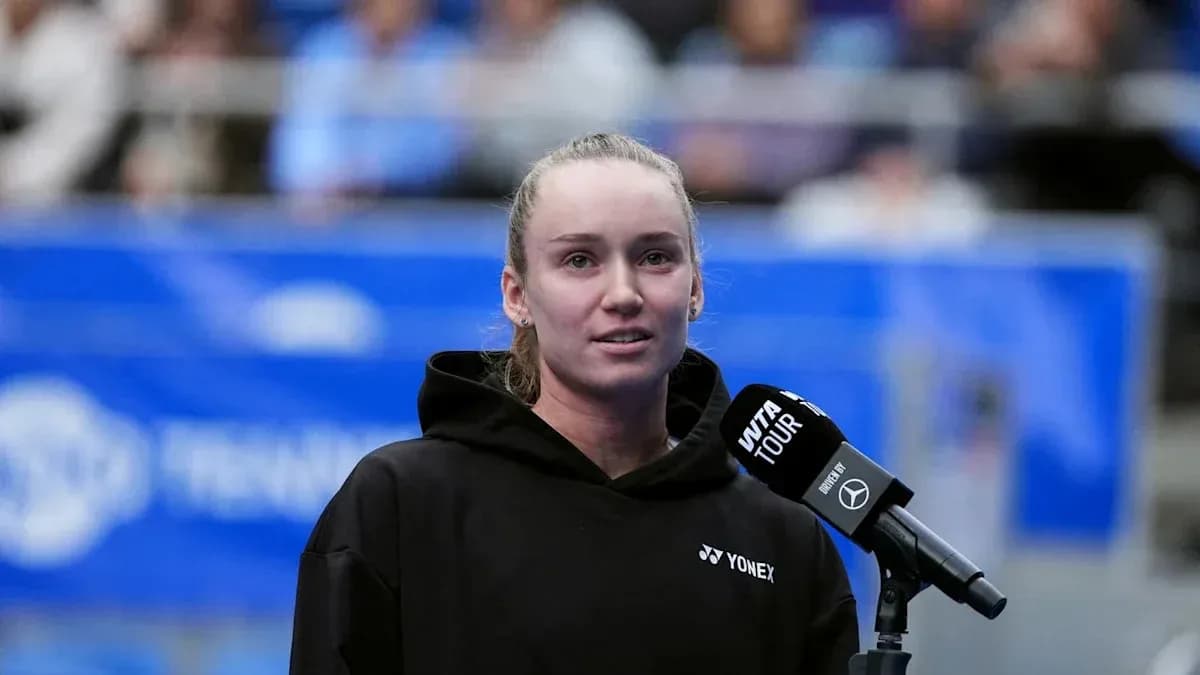
Elena Rybakina, the dominant force of the 2026 season and clear favourite for the WTA Finals crown, will not hit a ball in anger in Indian Wells. The world No 1 has withdrawn from the season-ending showpiece with a viral illness, a brutal late twist at the end of the finest year of her career.
The 27-year-old Kazakh has spent the last 11 months setting the standard in the women’s game. She collected her second and third major titles at the Australian Open and US Open, then finally climbed above Aryna Sabalenka to the top of the rankings for the first time. This was the year she took control.
Now it ends in silence.
Rybakina confirmed her withdrawal on Saturday, saying she was “really sad” to pull out and that her body is “just not physically ready to compete”. She will return home to rest and recover, already looking ahead to 2027 after a campaign that has pushed her to the edge physically as well as mentally.
Her absence rips a hole in the narrative of these Finals. Twelve months ago she beat Sabalenka in the title match; this year was supposed to be the sequel, the heavyweight rivalry renewed under the California lights. Instead, Sabalenka suddenly has a clearer path and a golden chance to close the ranking gap that Rybakina opened so emphatically.
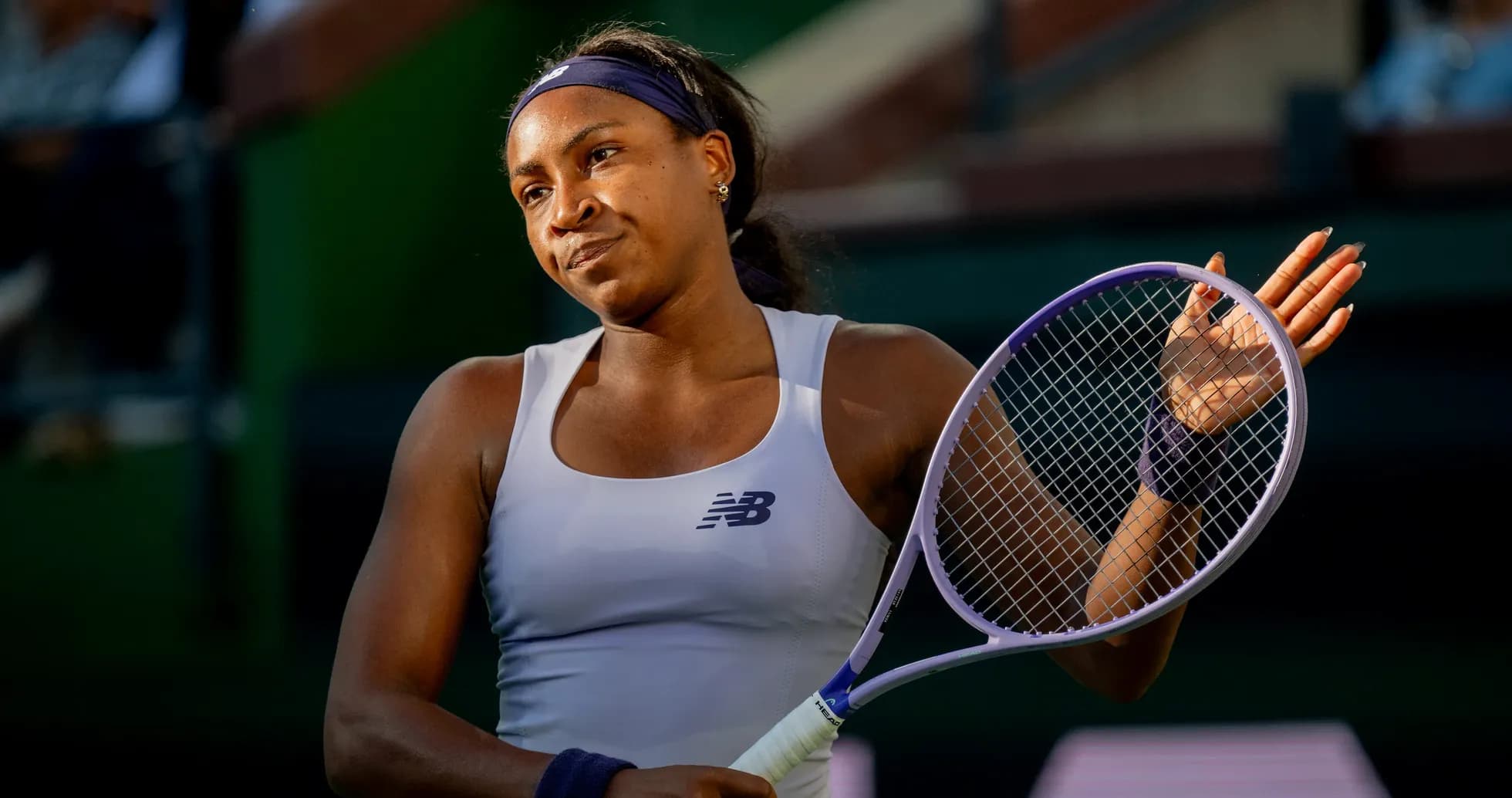
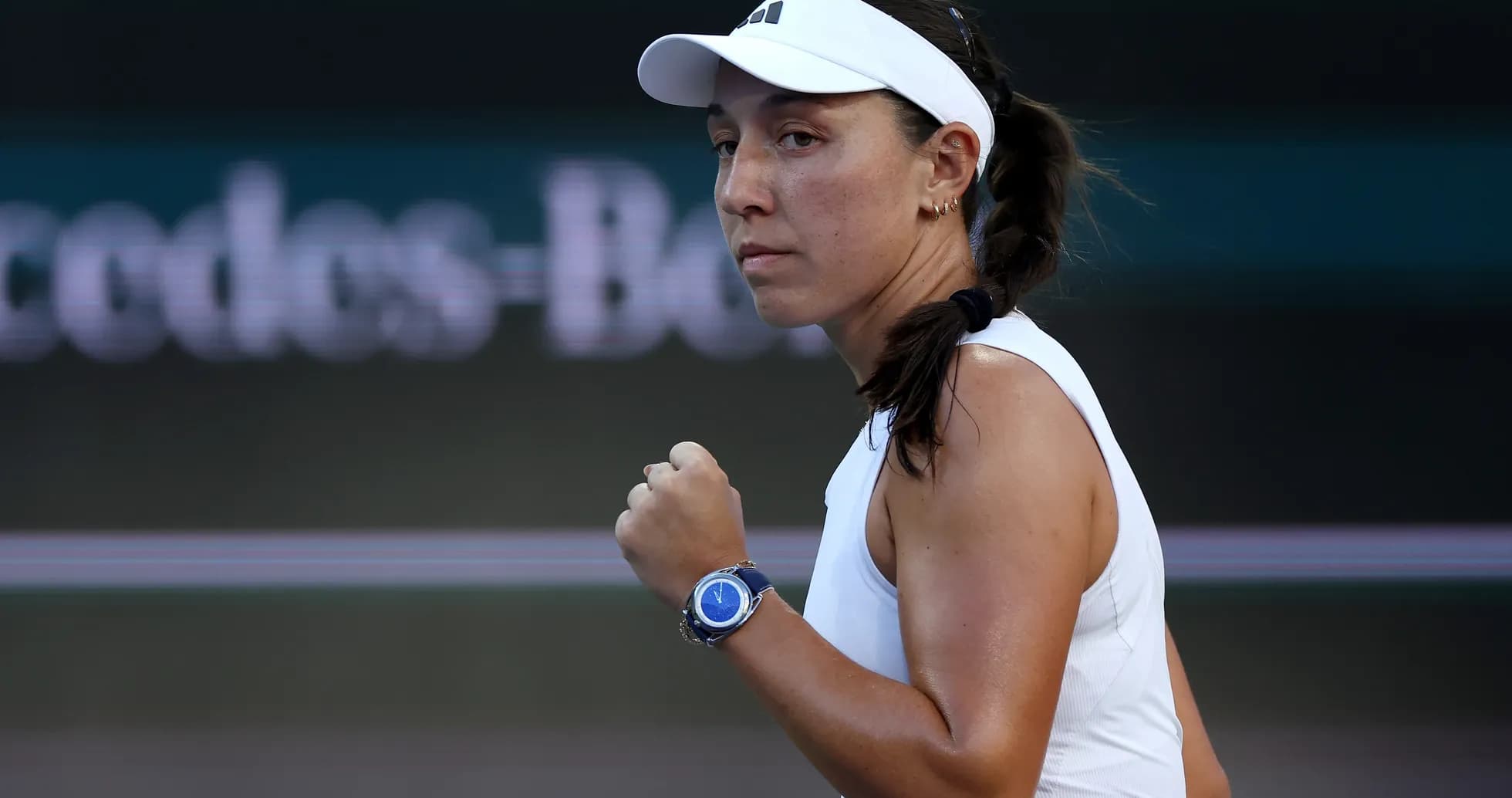
The door also swings open for Marta Kostyuk. The Ukrainian, first alternate, steps into the eight-woman field and into the biggest week of her career so far. She joins a loaded line-up: Sabalenka, French Open champion Mirra Andreeva, Wimbledon winner Linda Noskova, Coco Gauff, Jessica Pegula, Elina Svitolina and Karolina Muchova.
For Rybakina, the withdrawal carries a historical cost. She loses the opportunity to become the first woman since Serena Williams in 2014 to win the WTA Finals in back-to-back years, a mark that would have underlined her growing grip on the sport.
Even without that, her numbers this season are uncompromising. She closes the year with a 54-14 win-loss record, a fearsome 17-2 in grand slams, and titles at WTA 500 events in Stuttgart and Ningbo. She also reached the finals of the WTA 1000 tournaments in Indian Wells and Toronto, confirming her status as a threat on every surface, in every draw.
Yet the strain has been visible since her triumph in New York. The second half of her campaign has been punctured by physical problems, most notably a neck injury that forced her to pull out of the quarter-finals in Tokyo late last month. The viral illness that has ended her season feels less like a shock and more like the inevitable bill for a relentless year at the top.
Indian Wells will move on. The Finals always do. A new champion will emerge, a new storyline will take hold.
But the image that lingers over this week is of the world No 1 at home, not on court, already plotting how to turn this season of dominance into an era.