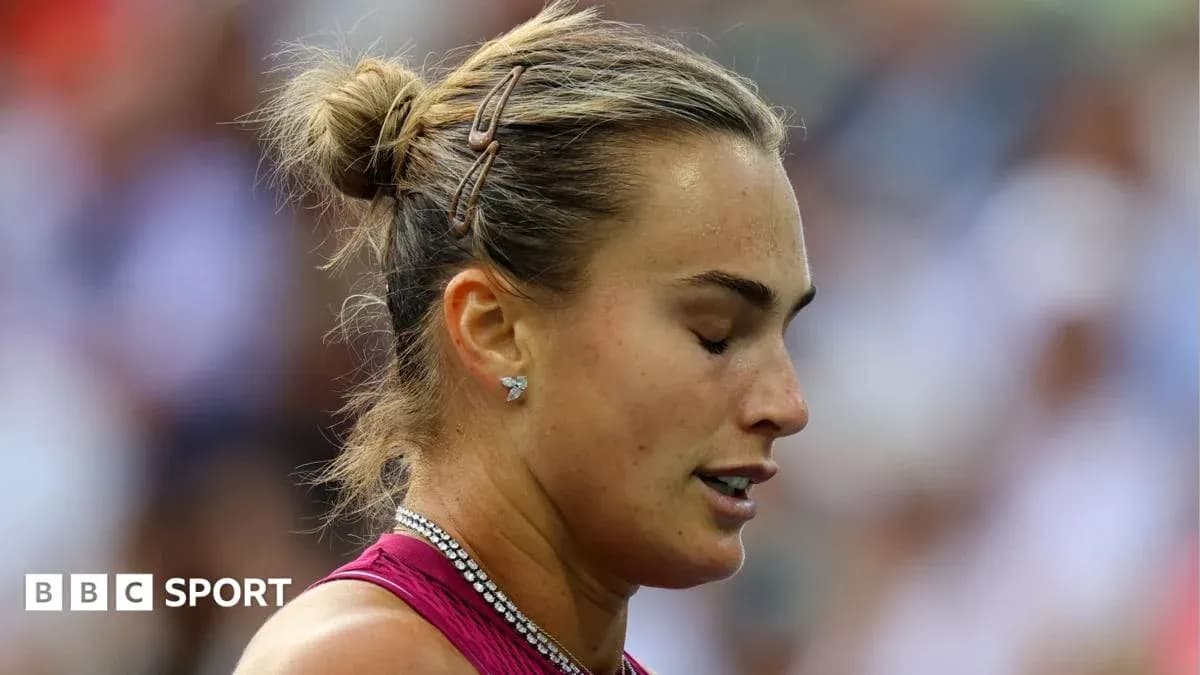
Elina Svitolina Defeats Aryna Sabalenka to Reach WTA Finals Semi-Finals
Elina Svitolina ended Aryna Sabalenka’s season with a ruthless, emotionally charged victory that underlined the very different places these two heavyweight competitors occupy right now.
On one side of the net: control, clarity, quiet steel.
On the other: power, volatility, and a year that finished with a thud.
Svitolina, the 2018 WTA Finals champion, beat the former world number one 6-3 3-6 6-1 to book her place in the knockout stage and move into the semi-finals, where she will face Czech world number eight Linda Noskova. The result also leaves Sabalenka staring at an uncomfortable truth: a season of big numbers, big stages and big chances, but no major trophy to show for it.
Svitolina’s composure, Sabalenka’s unraveling
The match itself played out like a condensed version of Sabalenka’s year.
She burst out of the blocks, ripping an angled forehand winner to grab an immediate break and stamp her authority on the contest. For a few games, it looked like the response she needed after being dismantled by Mirra Andreeva two days earlier, when she lost the last 11 games in a row.
Then the cracks reappeared.
From 2-1 up in the opening set, Sabalenka lost six of the next seven games. Twice she was broken to love. The shoulders dropped. The muttering began. The body language screamed frustration as much as the scoreboard did.
Svitolina, by contrast, stayed locked in. She absorbed the pace, redirected it, and played the percentages with icy precision. The Ukrainian has always built her game on discipline and resilience; here, she added just enough aggression to keep Sabalenka off balance.
“It was an extremely tough match, especially mentally. I was just trying to play one point at a time,” said the 32-year-old, who is back at the Finals for the first time since reaching the 2019 showpiece. “This is the tournament where you bring everything to the table and try to play every game as if it's the last.”
She played exactly like that.
Sabalenka’s surge, then collapse
To Sabalenka’s credit, she did not go quietly. The second set was the version of the Belarusian that dominated so much of this season.
She cut the unforced errors, tightened her margins, and suddenly the forehand that had flown long in the first set began to rip through the court. A double break carried her to a 5-1 lead, and although she needed a second attempt to close it out, she dragged the match into a decider with authority.
The numbers back up how dangerous she has been in 2024. Sabalenka arrived at the Finals with the best win percentage on the women’s tour this year – 81%, with a 47-11 record. She completed a rare Sunshine Double with titles at Indian Wells and Miami, collected three trophies overall, and reached the final at both the Australian Open and US Open. She has made at least the semi-finals at 13 of her last 16 majors. She has more straight-sets wins than anyone this season – 43 – and an 8-5 record against fellow top-10 players.
But the fine print is harsher. She has lost more major finals (five) than she has won (four) over the past four seasons. She was dethroned as world number one after 99 weeks by Elena Rybakina following their US Open title showdown in September. And when the pressure has peaked in recent months, the emotional control has not always followed.
All of that was on display in the third set.
Sabalenka grabbed an early lead in the decider, then watched it slip. A loose game here, a rash error there, and Svitolina pounced. The Ukrainian stayed compact and unflustered, turning defence into attack with calm, repeatable patterns. Sabalenka’s response was to fling her racquet to the court, crouch at the back of the baseline, and stare at the ground as another semi-final chance began to evaporate.
The pressure finally told on serve. Sabalenka saved two break points, only to hand Svitolina a third with a double fault. The world number six stepped in, broke again, and then served out the match with the same composure that had carried her through the tense opening set.
From 1-1 in the decider, Svitolina ran away with the last five games. Sabalenka did not win another.
Svitolina’s return, Sabalenka’s question
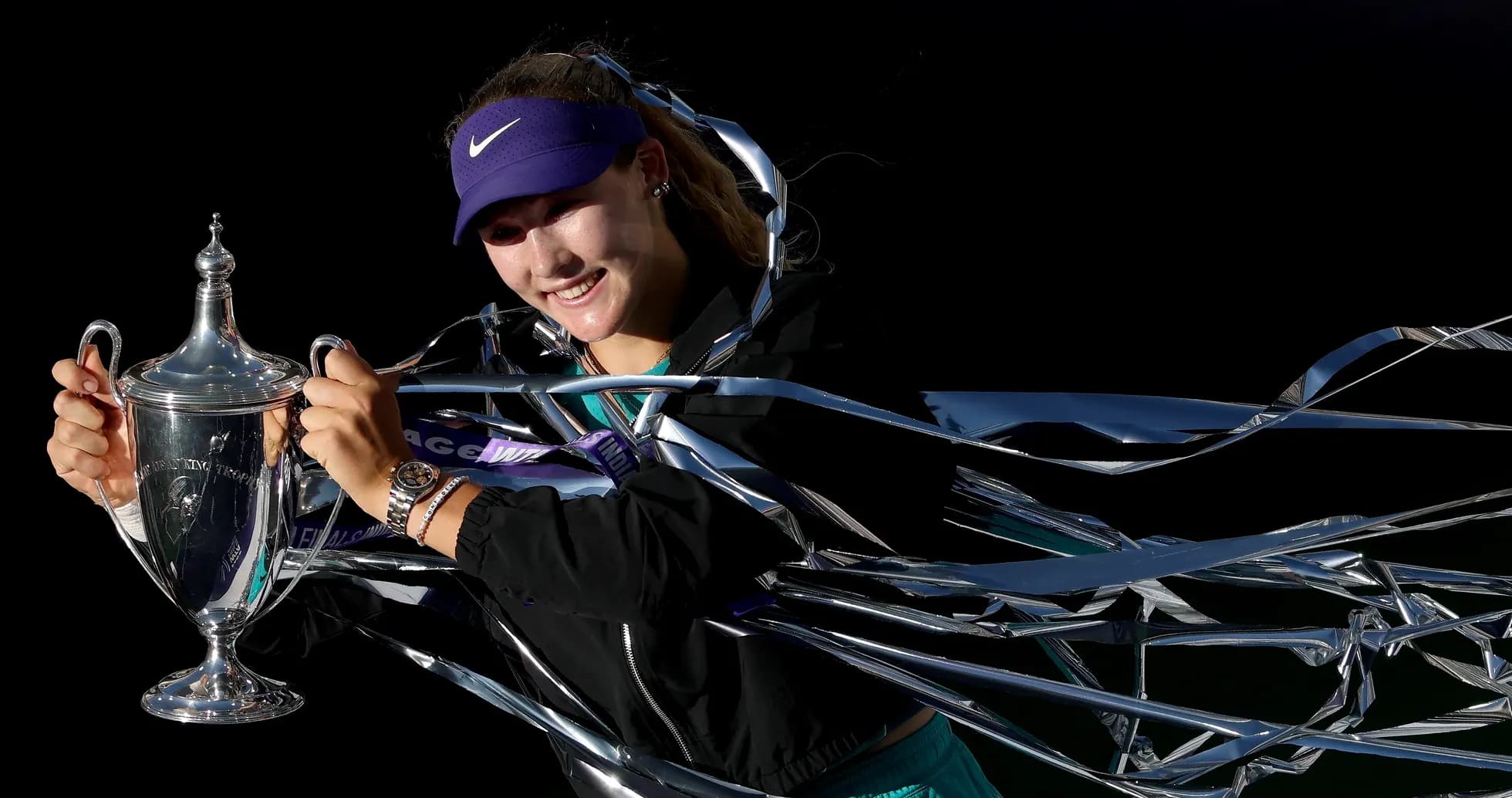
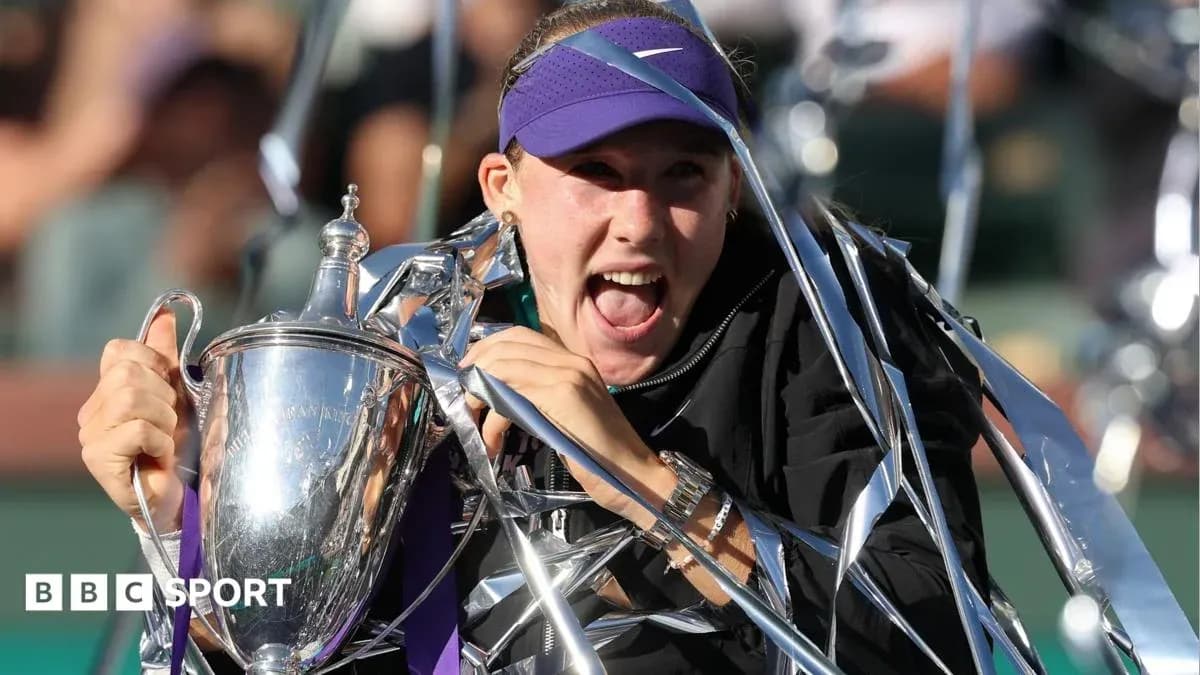
For Svitolina, this is a continuation of a quietly remarkable comeback. She has returned to the top 10 for the first time since 2021 and is now into the last four of the season-ending championships, finishing runner-up in the group to Andreeva, who faces Jessica Pegula in the other semi-final. The 2018 champion is once again deep in the business end of the event she has always treated as a personal proving ground.
For Sabalenka, the story is more complicated.
This was her fourth straight year reaching the knockout stages of the WTA Finals, yet she still has not lifted the trophy. She lost last year’s final to Rybakina; this time, she never got that far. Across the week, she was hammered by Andreeva, then outlasted and out-thought by Svitolina.
Her record screams consistency at the sport’s biggest events. Her résumé still glitters with four majors and a haul of titles that most players would envy. But the margins at the very top are brutal. When the defining moments arrive – the finals, the deciders, the matches that shape legacies – she has too often walked away second best.
Sabalenka will spend the off-season knowing the physical tools are there, the results are largely there, and yet the missing piece remains painfully obvious. If she wants to reassert herself next year, it won’t just be about hitting harder or running faster.
It will be about what happens in the moments like this one, when the racquet leaves her hand, the set slips away, and a season that promised so much ends with her crouched at the back of the court, watching someone else move on.