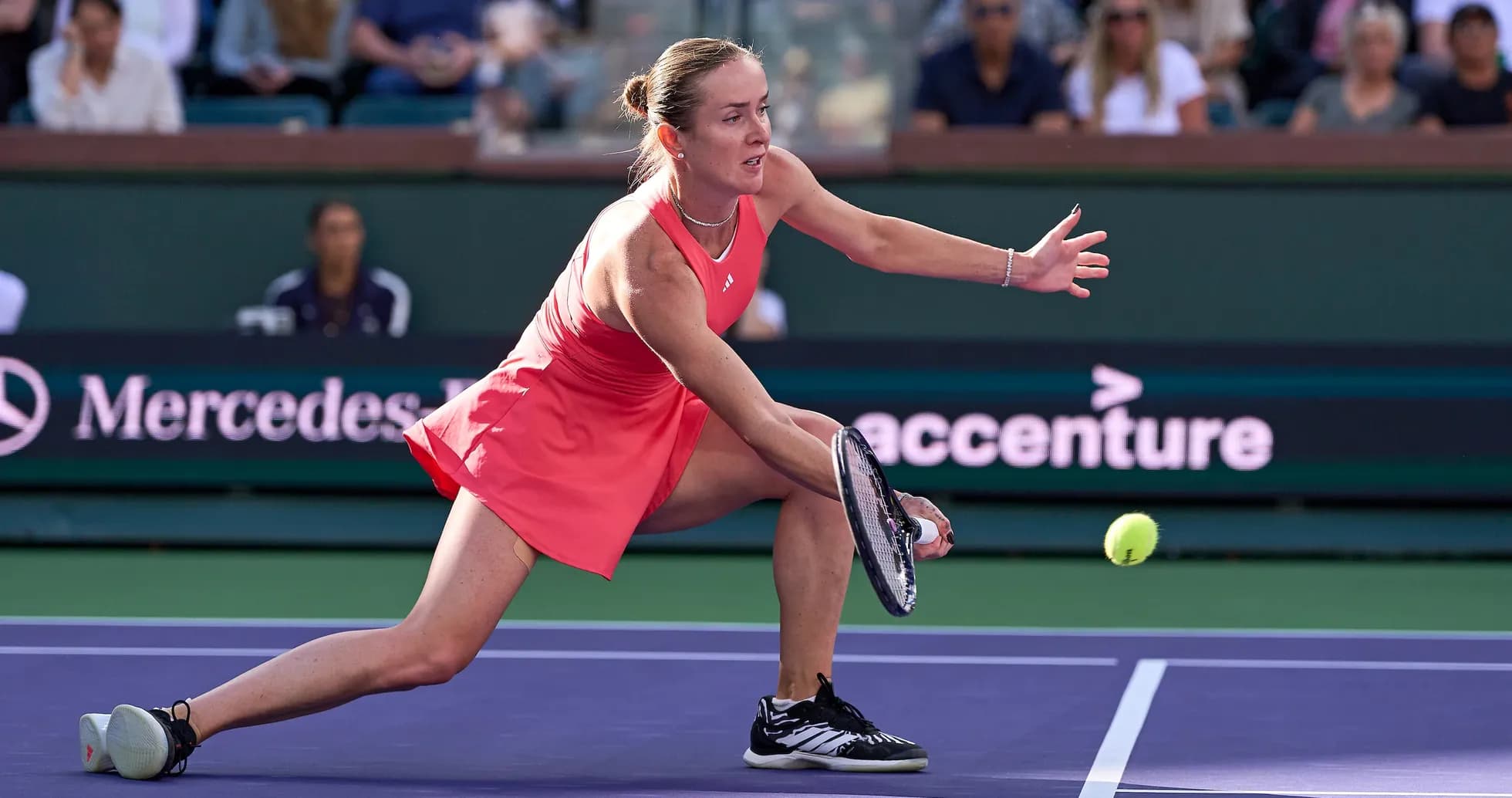
Elina Svitolina's Resurgence at Indian Wells
INDIAN WELLS, Calif. — For a few uneasy minutes on Wednesday, it felt like Elina Svitolina’s stay at Indian Wells might end with a whimper.
She had already been outplayed by Mirra Andreeva in her opener. Karolina Muchova then grabbed their first set, and the numbers were brutal: Muchova was 32-0 this season when winning the opener. One more set and Svitolina’s campaign would be reduced to a footnote.
Instead, the former champion dug in, then tore the script to shreds.
From 3-6 down, Svitolina surrendered just four games across the next two sets, rolling to a 3-6, 6-2, 6-2 victory. By the time she walked off court, the outlook had flipped. The 2018 winner knew she would return on Friday with a semifinal place on the line.
The catch? To get there she still had to go through Aryna Sabalenka, the player who had turned their rivalry into a one-way street.
Svitolina turns back time
Sabalenka had beaten Svitolina in their previous five meetings, and all three times on hard courts. She wasted no time asserting that dominance again, breaking in the opening game of their clash. Svitolina was chasing from the start, again.
She caught up.
At 3-3 in the first set, Svitolina’s second serve came under fierce examination. Two break points for Sabalenka, the kind of moment that has buried many of Svitolina’s recent big-match hopes. This time she held firm, survived the storm, then surged. She took the next two games and with them the set, 6-3.
Sabalenka punched back. The second set mirrored the first on the scoreboard, 6-3, but this time in the Belarusian’s favour. The momentum looked to have swung. It usually does when Sabalenka starts landing her first strike.
Svitolina refused to budge.
She snatched an early break in the decider, then another for 5-1, stepping inside the baseline and driving through her forehand with the conviction of old. The numbers underlined the shift: she converted six of eight break points and closed out a 6-3, 3-6, 6-1 win that felt as much psychological as tactical.
Her first hard-court victory over Sabalenka. Her first win against her since Strasbourg in 2020. And, perhaps most impressively, her first run to the WTA Finals semifinals after starting the event with a defeat.
From staring at the exit after that opening loss to Andreeva, Svitolina finished Group 2 at 2-1 and second in the standings. The reward is a semifinal date with Group 1 winner Linda Noskova on Saturday, and a chance to chase a second title at the season finale in her first appearance since 2019.
As Svitolina put it this week, the format gives you a lifeline: lose early, and you still have “a couple of more matches and interesting, I think, situations.” She has wrung every drop out of that second chance.
Andreeva’s ruthless rise
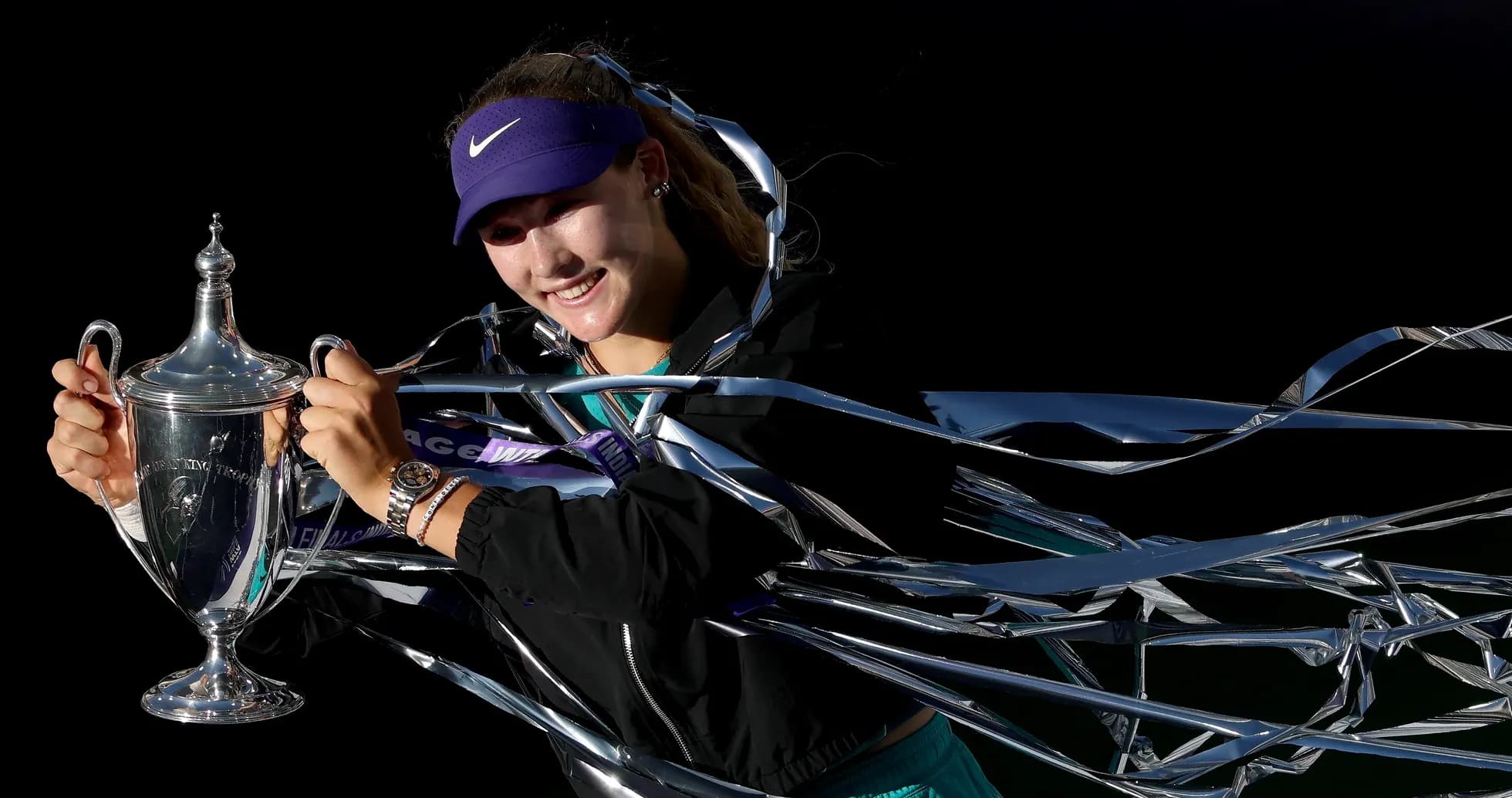
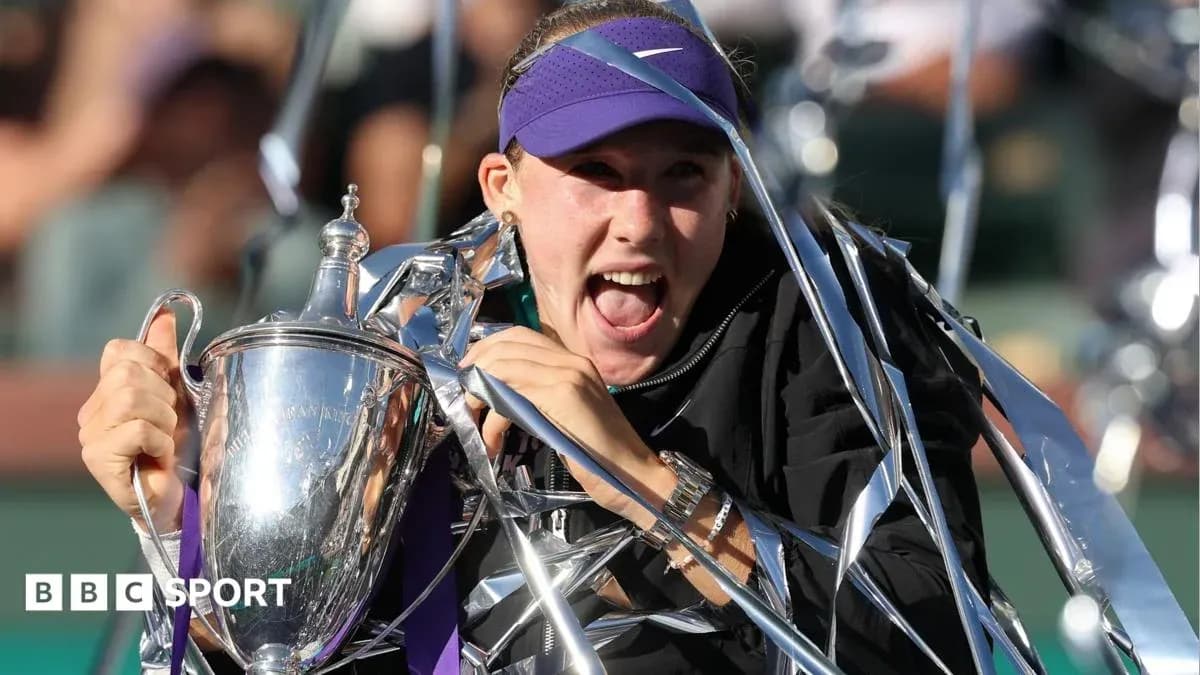
If Svitolina’s route to the last four has been about resilience, Mirra Andreeva’s has been about authority.
The teenager walked into her WTA Finals debut and left the group stage without dropping a set, barely blinking as she dismantled three very different opponents.
She started by flipping the script on Svitolina. Their Australian Open clash earlier in the year had gone the Ukrainian’s way. This time Andreeva took control of the tight first set, then ran away with the second. She saved all six break points she faced, then swept the last seven games to complete a 6-4, 6-0 statement win.
Sabalenka came next. The world-beater started like one, racing to a 4-1 lead in the opening set. Andreeva simmered. The anger built. Then she turned it into fuel.
Serving at 1-4, she began to hit bigger, faster, using her delivery as an outlet. The shift was immediate. From there, she owned the match. Andreeva reeled off 11 straight games, won 45 of the last 55 points and walked off with another 6-4, 6-0 victory. In doing so, she became the first player ever to win a 6-0 set in each of her first two WTA Finals matches.
By the time she returned to court on Friday, her place in the semifinals was already secure and Group 2 already hers. Muchova’s withdrawal brought in second alternate Diana Schnaider at the last minute. The result was even more emphatic.
Andreeva needed just 55 minutes to dispatch Schnaider 6-2, 6-1. The numbers were lopsided: Schnaider finished with seven winners and 32 unforced errors, and claimed only three of 15 points on her second serve. Andreeva, calm and clinical, moved to 3-0 in group play, three matches, six sets, none lost.
Her own explanation of that Sabalenka turnaround captured the edge she has brought to this stage. She spoke of anger building inside her, of channeling it into faster serves, releasing it through the motion. Once she settled, the rest followed: better returning, sharper decision-making, the match suddenly on her racquet.
That mindset has carried her all week.
Semifinals set, stakes rising
So the weekend at Indian Wells belongs to two very different stories on a collision course with history.
On one side, Andreeva, the teenager who has ripped through the group stage and now faces Jessica Pegula for the first time in Saturday’s semifinal. Three matches in, she has not surrendered so much as a set.
On the other, Svitolina, the 2018 champion who has hauled herself back into the last four the hard way, overturning Muchova’s perfect record and finally cracking the Sabalenka code to earn a shot at Noskova.
One rising star, one resurgent champion, both within touching distance of the year-end title.
The question now is simple: whose momentum holds when the pressure peaks?