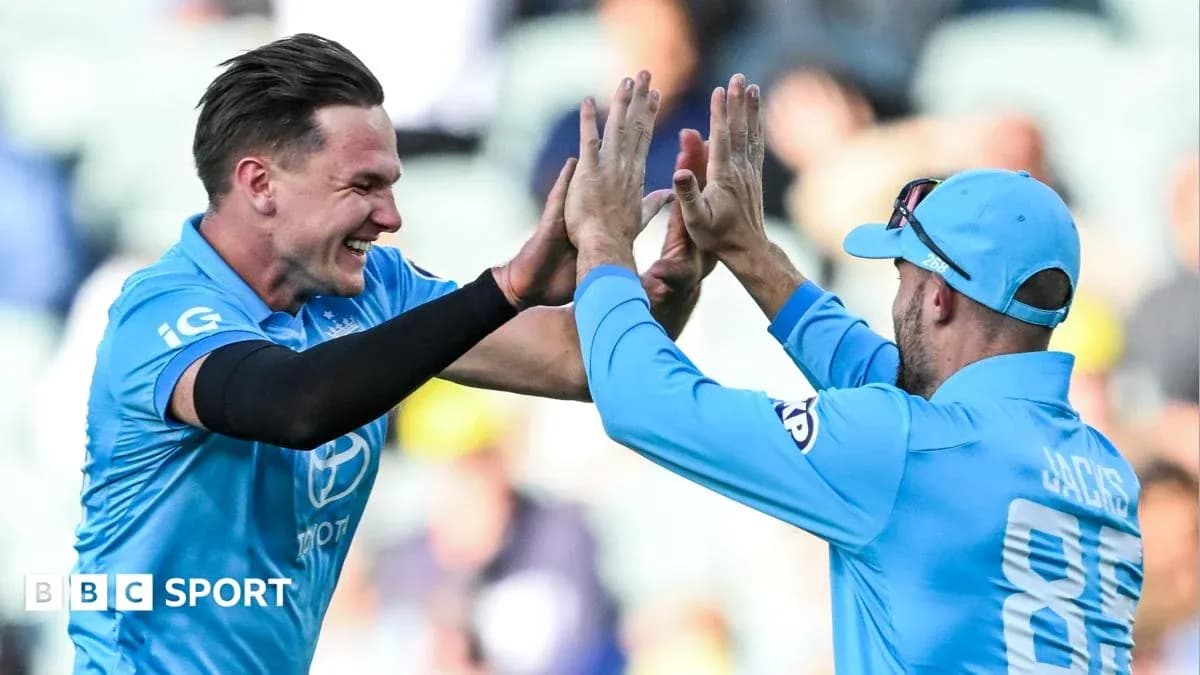
England Levels Series with Australia in Adelaide
England finally showed their teeth in Adelaide. After days of head-scratching over a team that can look brilliant one week and broken the next, they produced a brutal, clear-eyed performance to level the series with Australia and drag this contest to a decider in Hobart.
On a ground where England had lost seven in a row to Australia across formats, they piled up 355-6 – their highest one-day total in Australia – then ripped through the home side for 220 to win by 135 runs. Same venue, same questions about this team’s temperament, very different answers.
Banton stakes his claim
Tom Banton walked out in Adelaide with an opportunity born from someone else’s misfortune and batted like a man determined to make it permanent.
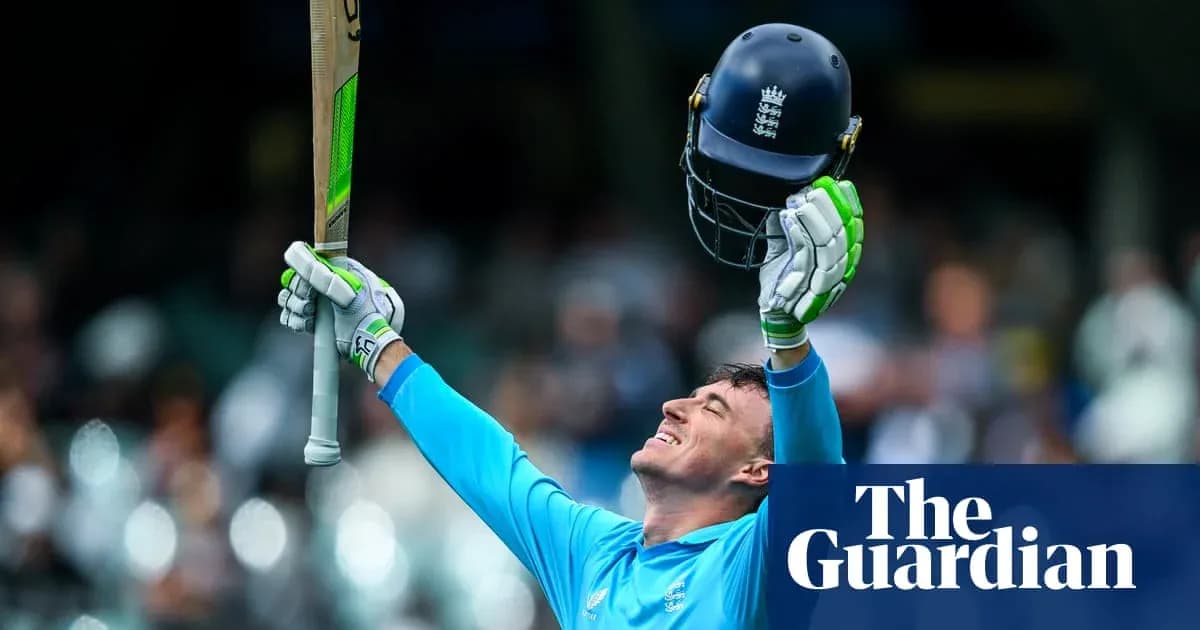
Opening again in place of the injured Jacob Bethell, the 28-year-old right-hander carved a superb 121, his second ODI hundred in just nine innings. Four fifties and two tons in that stretch now make the conversation about his future at the top of the order feel almost redundant. The spot is his to lose.
He took a blow early – a thud to the helmet on 10 from left-armer Spencer Johnson – but that only seemed to sharpen him. Once settled, he went after Adelaide’s short square boundaries with an authority that has too often been missing from England’s recent top orders. The pull shot became his calling card, repeatedly dragged and whipped in front of square, Australia’s seamers feeding a strength they knew was coming but still couldn’t contain.
Alongside Joe Root, Banton rebuilt with quiet control before cutting loose. Their stand of 137 didn’t dazzle, but it mattered. England had been skittled for 131 in Perth two days earlier. Ben Duckett had already slashed to point for nine. The scars were fresh. Root played the ballast, 62 calm, neat runs, while Banton shifted through the gears, turning a platform into a launchpad.
The hundred arrived, and with it the sense that England’s innings had finally grown a spine.
Cox and Jacks light the afterburners
Once Banton went – caught at deep square-leg after one pull too many – Australia might have hoped to drag England back towards something manageable. Instead, Jordan Cox and Will Jacks turned the last 10 overs into a flogging.
Cox had come in under pressure. Filling in for Jos Buttler is no small task, and a run of low scores had left questions hanging. He answered them with 67 from 49 balls, a knock full of invention and intent. He drove, cut, scooped and pulled, never allowing Australia’s attack to settle. One reverse scoop for four off Xavier Bartlett was outrageous, the sort of audacious stroke that tells a dressing room this is a player who believes he belongs at this level.
Jacks finished 54 not out, a clean, uncluttered innings that grew in menace as the death overs approached. When the 40-over mark came, England were 245-4, moving nicely but not yet out of sight. Cox and Jacks then tore 110 from the final 10 overs, shredding lines and lengths, punishing anything remotely off target.
Captain Harry Brook had earlier fallen in freakish fashion, deflecting the ball onto his stumps on five while trying a ramp. It barely mattered in the end. With Australia’s game one match-winner Mahli Beardman rested, their attack lacked bite at the death, and England’s middle order cashed in.
From 131 all out in Perth to 355-6 in Adelaide. Same team, wildly different face.
New-ball bite at last
If England’s batting restored some pride, their new-ball burst changed the mood of the entire tour.
This is a side that recently failed to defend 430 against Sri Lanka and were undone by a freak last-wicket stand against Pakistan. The criticism has been relentless: not enough control, not enough early wickets, not enough ruthlessness.
In Adelaide, Gus Atkinson and Sonny Baker tore into that narrative.
Australia were 29-4 inside seven overs. The chase was effectively finished before it had started.
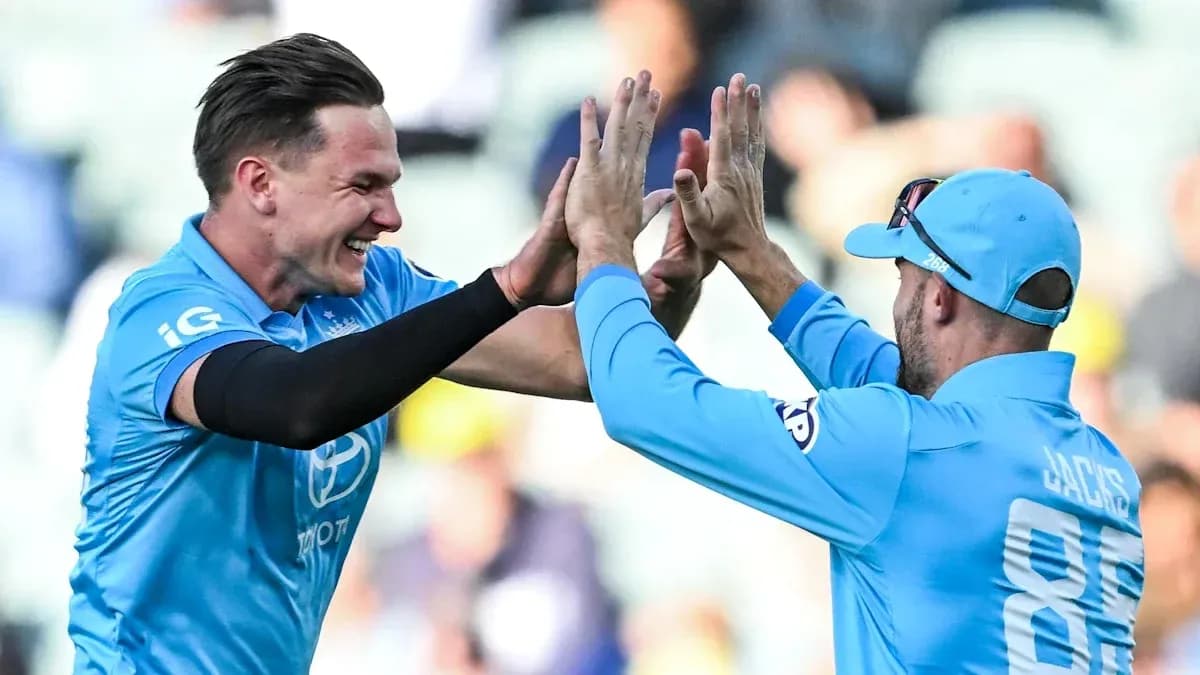
Baker, brought in for Jamie Overton specifically to add threat with the new ball, found genuine swing. He removed Australia captain Mitchell Marsh for two, Root flinging himself high at slip to cling on. It was the sort of early incision England have so often lacked.
Atkinson attacked from the other end with a different weapon: nip off the seam. He nicked off Travis Head for seven – dismissing the dangerous left-hander for the second match in a row – then had Cooper Connolly and Josh Inglis caught behind. His figures, 4-28, were a career-best return and overdue reward for a bowler whose recent efforts have not always been reflected on the scoreboard.
Australia never really recovered. They were dragged from wreckage to respectability by Matt Renshaw and Cameron Green, who made 63 and 64 respectively, but the damage was done.
Imperfect, but emphatic
This was not a flawless England performance. Far from it.
They shelled four catches. Renshaw and Green both benefitted, stretching Australia’s innings well beyond what it might have been. Inglis too was reprieved before eventually falling. On another day, those drops could have reopened doors they had slammed shut early on.
Yet the response when chances went down was telling. England did not unravel. They regrouped and struck again.
Liam Dawson, preferred once more to Adil Rashid, operated with tidy control for 2-41, changing pace and angle smartly. Green’s dismissal summed up England’s day: stumped in bizarre fashion as the ball deflected off Cox’s shin and onto the stumps. Fortune favoured a side that, for once on this tour, had earned it.
Sam Curran, under scrutiny after a poor run, found late reward with two wickets in two balls. He bowled Jack Edwards with his trademark moon ball, a dipping slower delivery that has embarrassed better players than the Australian all-rounder. Those strikes won’t erase recent struggles, but they give him something tangible to carry into Hobart.
Australia were finally bowled out for 220 in 44.3 overs. The margin – 135 runs – was as brutal on the scoreboard as it felt in the stands.
A team that defies definition
So where does this leave England?
They came into this game with their one-day identity under serious question. Before the defeats in Rawalpindi, Lahore and Perth, they had won three ODI series this year. Then came the collapses, the missed chances, the sense of a side drifting.
This win doesn’t solve the puzzle. It deepens it.
They can be mauled one day and magnificent the next. They can fail to defend 430, then crush Australia away from home by 135 runs. They can look like a World Cup contender in one innings and a mid-table also-ran in the next.
What Adelaide did provide, though, were clear positives.
Banton looks every inch an international opener now, timing, range and temperament all on display. Atkinson and Baker offered exactly the kind of new-ball threat England have been crying out for. Cox and Jacks showed that the middle order has both depth and daring, especially with Buttler sidelined.
Cox, in particular, has one more chance in this series to strengthen his case, and possibly more if Buttler does not recover in time for January’s series against South Africa. Perform like this again and England’s selectors will have uncomfortable – and welcome – decisions to make.
As former captain Michael Vaughan observed, Banton has “really found his flow for batting”. The move to open him in 50-over cricket already looks inspired. He and Duckett, on the days it all clicks, appear a natural pairing. Banton has the pull, the straight drive, the game against spin; more importantly, he now has the weight of runs to go with the talent that has long been talked about.
England’s seven-match losing run to Australia in Adelaide is over. So too is a sequence of six straight 50-over defeats away to their oldest rivals. The series is alive, 1-1, with everything riding on Hobart.
The question now is simple: in a decider, with the pressure turned up and the flaws still lurking, which version of England will turn up?