Tom Banton's Brilliant 121 Leads England to 135-Run Victory
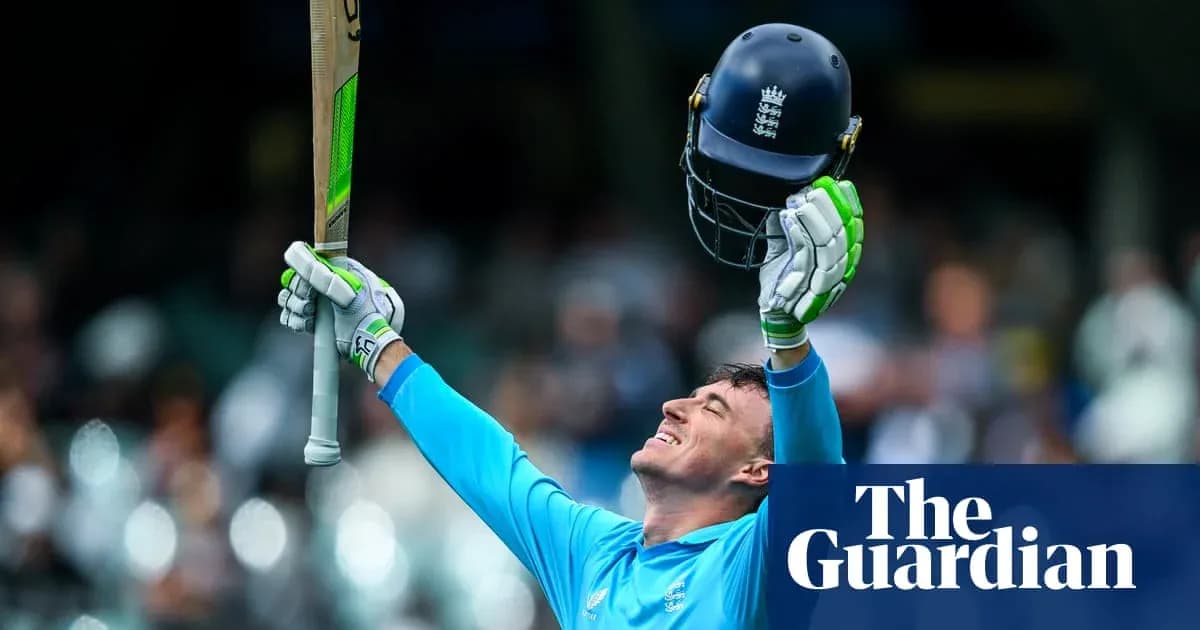
Tom Banton walked off the Adelaide Oval with grass stains on his trousers and 121 to his name, the kind of innings that silences noise and straightens backbones. On a day when the sandpaper saga rumbled on in the background, this second one-day international cut through the static with something far clearer: England, when it clicks, can still bully Australia in their own backyard.
They did it by 135 runs, levelling the series and dragging a decider in Hobart into sharp focus. Banton and Gus Atkinson were the headline acts, one with bat, one with ball, both stamping themselves all over a contest England never truly let go.
Banton’s statement knock
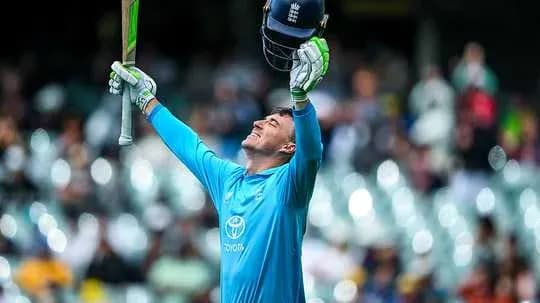
Asked to bat first, England posted 355 for six – the highest total by a touring side on Australian soil. Banton was the architect. After an early blow to the helmet from Spencer Johnson, he barely blinked. He reset, then started to carve Australia apart.
His 121 came from just 99 balls, a crisp, uncluttered innings built on timing rather than slogging. He threaded fours through extra cover, then shifted gears to exploit the short square boundaries, launching four sixes that turned good bowling into bad numbers. This was his second hundred since forcing his way back into the side in the summer, and it felt like something more than a purple patch. It felt like a statement.
The pitch helped. This was no repeat of Perth’s trampoline bounce, and Australia rested Mahli Beardman, their six-wicket destroyer from 48 hours earlier. England’s top order sensed their chance. Joe Root, all silk and angles, made a fluent 62, rotating strike and letting Banton blaze at the other end.
Harry Brook, though, never settled. With fine leg up, he chose to ramp Riley Meredith, missed, and was bowled for five. In this part of the world, with his reputation already frayed, it was a choice that will linger. Root had just fallen, Banton was motoring, and England needed their captain to consolidate. Instead, he walked off shaking his head.
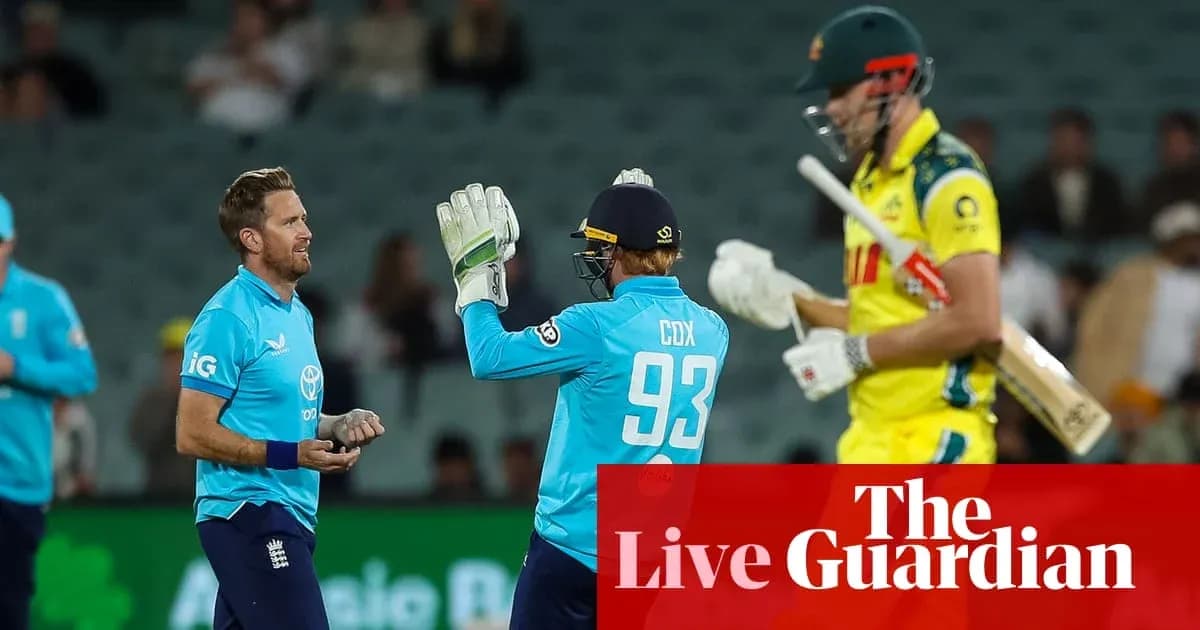
What followed only underlined the misjudgment. Jordan Cox showed what a measured build can bring, starting quietly, then exploding. His 67 from 49 balls was timed almost perfectly, highlighted by an outrageous reverse-scooped four while down on both knees – a shot that summed up England’s intent as the innings rolled towards its close.
At the other end, Will Jacks played the long game. He nudged, waited, then cashed in, finishing unbeaten on 54 from 40 balls. When Australia missed their lengths at the death, Jacks and Cox punished them, and Atkinson joined in with a couple of late sixes that pushed the total beyond comfort and into intimidation.
Atkinson rips out Australia’s top order
Even at 355, nothing felt guaranteed. Not with England still haunted by the memory of failing to defend 429 in Pakistan. Not with Adil Rashid, their middle-overs metronome for more than a decade, again reduced to carrying drinks.
Any doubts vanished once Atkinson got the new ball in his hand.
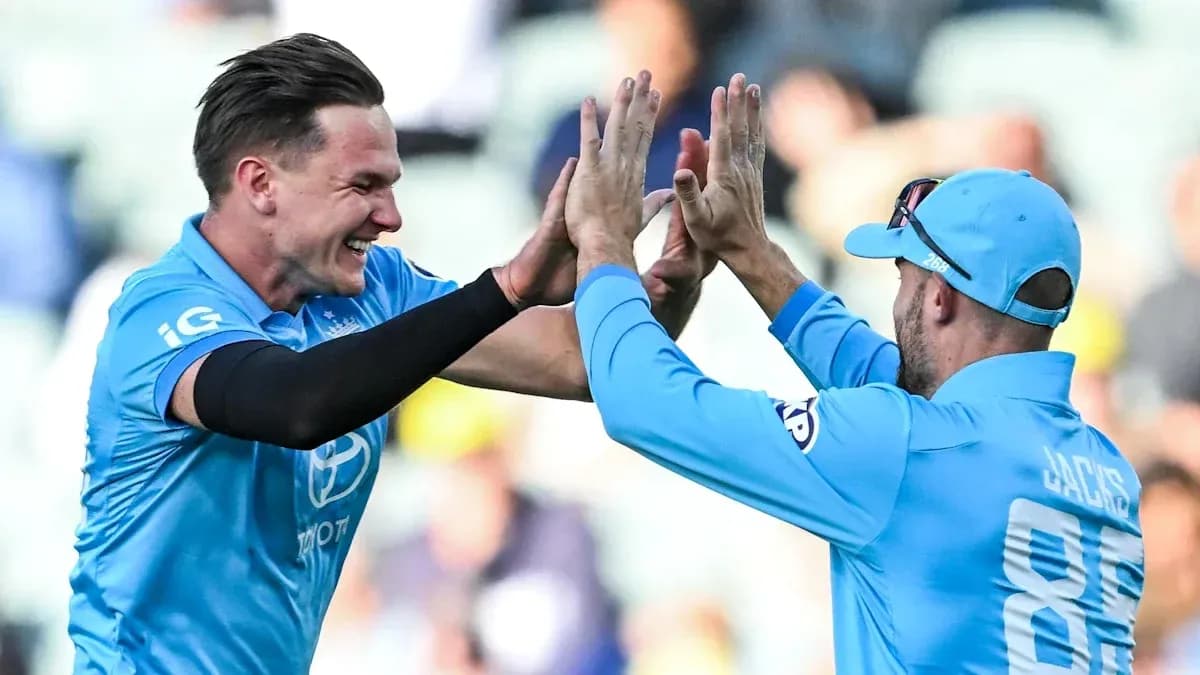
He shared it with the recalled Sonny Baker and tore straight through Australia’s top order. Travis Head, Cooper Connolly, Josh Inglis – all gone inside the first seven overs. Atkinson bowled with a snarl, hitting hard lengths, finding just enough nip and carry to make every stroke a risk. Australia slumped to 29 for four, their chase mangled almost before it had begun.
Baker backed him up with late outswing that looked every bit as dangerous. His prize was the in-form Mitch Marsh, nicking off for two to a sharp catch by Root at slip – one of two excellent grabs from England’s senior pro. Baker’s inclusion ahead of Jamie Overton, and ahead of Jofra Archer with the new ball, suddenly looked inspired rather than experimental.
Renshaw and Green resist, then crumble
Australia did not fold quietly. England’s fielding, so sharp early, suddenly turned slick. Matt Renshaw and Cameron Green both survived early chances as hands that had looked adhesive turned to Teflon. The pair made England pay, stitching together a 98-run stand that dragged the hosts back into the contest and briefly stirred the Adelaide crowd.
Green drove down the ground, Renshaw swept and nudged, and for a spell the chase felt alive again. England’s lines wavered, the noise grew, and memories of that Pakistan meltdown hovered.
Liam Dawson cut through it. Coming around the wicket, he trapped Renshaw lbw and snapped the partnership just as it threatened to become something more serious. The dismissal punctured Australia’s belief. What followed was a second collapse – four wickets for 46 – that ended the game as a contest.
Sam Curran produced the most eye-catching moment of that slide, dismantling the giant Jack Edwards with a slower ball so cold it almost stopped in mid-air. Edwards swung through thin air, his stumps shattered, and walked off still trying to process what had happened. Next ball, Xavier Bartlett lasted one delivery, Curran inflicting a first-baller to deepen the damage.
Dawson then removed Green, stumped as he advanced, and Atkinson returned to finish his work, removing Adam Zampa to complete superb figures of four for 28 from 10 overs. Archer, held back, was left to apply the final touch – a full, fast yorker that flattened Johnson and sealed Australia’s 220 all out.
A decider with real bite
By the end, the numbers told their own story. A 135-run win. A record total for a touring side in Australia. A young opener with another hundred, a fast bowler with four wickets, and a side that – for once – turned dominance into a clean, controlled finish.
England are nowhere near the finished article, and they know it. The fielding lapses, Brook’s misjudgment, the brief wobble under pressure all offer reminders of the work still to be done before the World Cup.
But as they head to Hobart with the series locked at 1-1, they travel with something far more valuable than a scoreline. They have a decider that matters, in conditions that test them, against a team that still expects to beat them. They have Banton in form, Atkinson snarling with the new ball, and a blueprint that, for one afternoon in Adelaide, looked built for the big stage.
Now comes the question that will shape their year: was this a one-off surge, or the moment England’s next white-ball side truly announced itself?