England vs Norway: World Cup Quarterfinal Showdown
The air in Miami will feel heavy on Saturday night. Not just with the heat and humidity, but with the weight of a World Cup quarterfinal that pits England against the tournament’s most unlikely juggernaut: Norway.
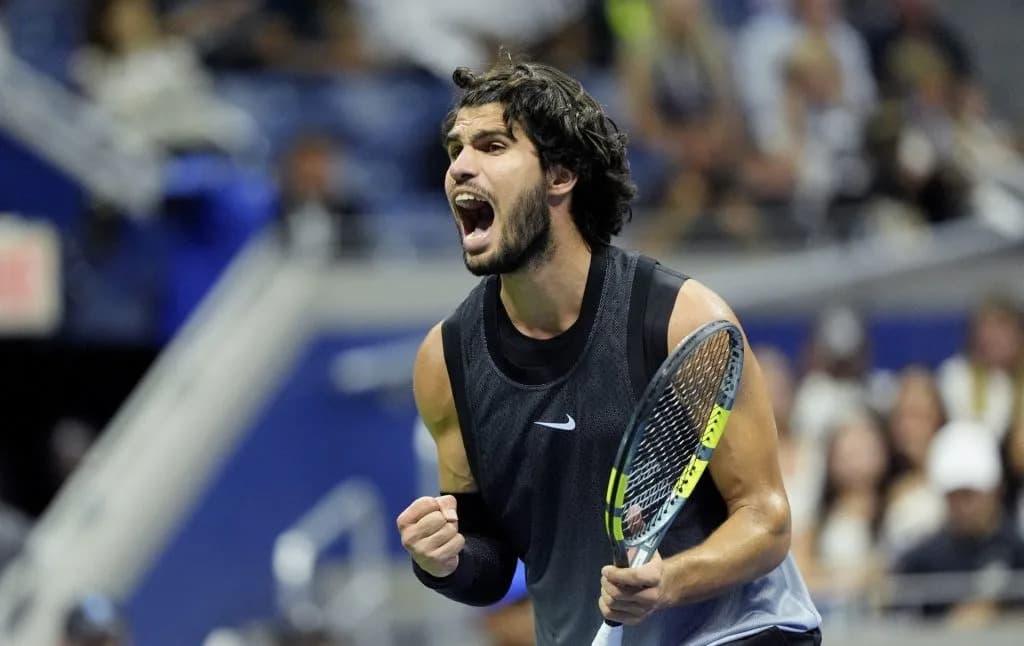
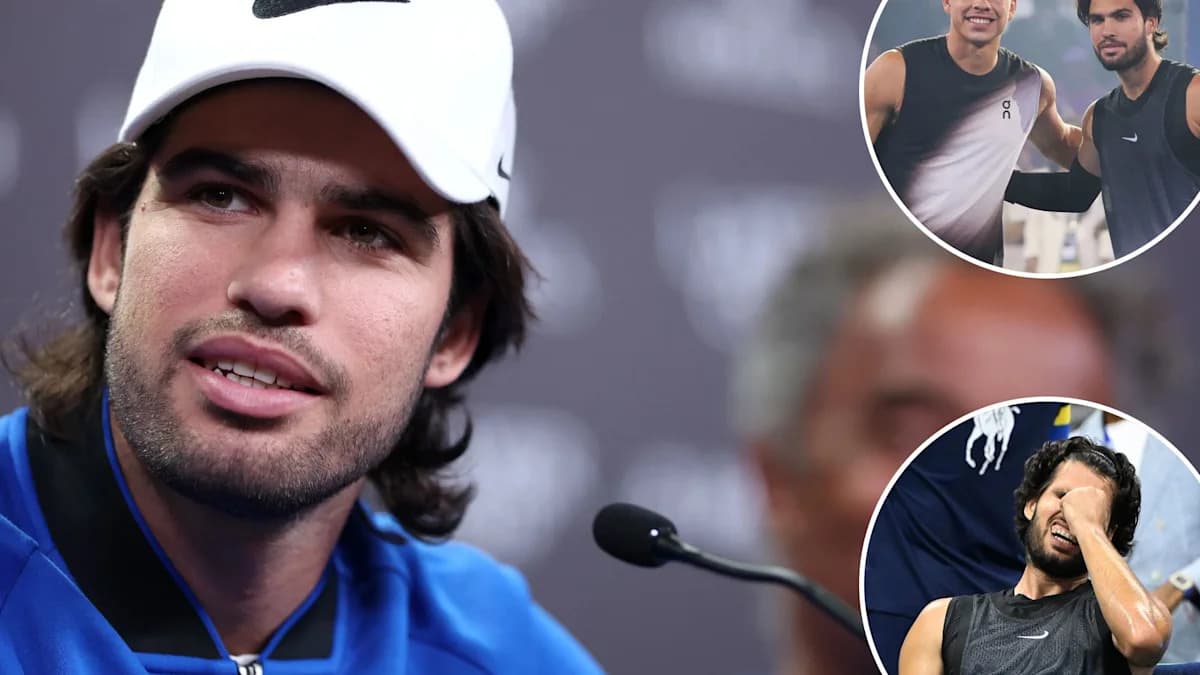
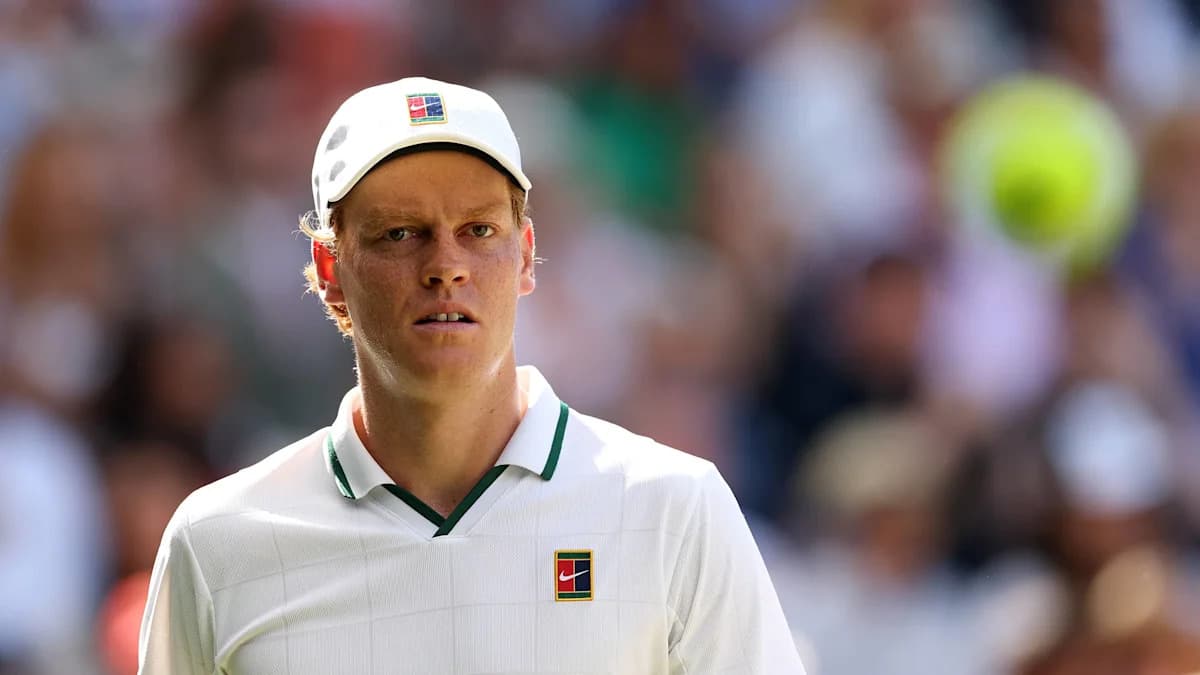
A European superpower trying to avoid yet another last-eight exit. A returning outsider riding a wave that started in 1998 and has suddenly turned into something far more serious. And in the middle of it all, two strikers who have spent the last decade redefining what a No 9 can be.
This is not just a quarterfinal. It’s a collision of eras, styles and narratives, played in 33-degree heat with storms on the horizon.
Haaland vs Kane: Golden Boot, golden stakes
For the first time at this World Cup, two of the leading Golden Boot contenders share the same pitch. No rotation. No resting. No what-ifs.
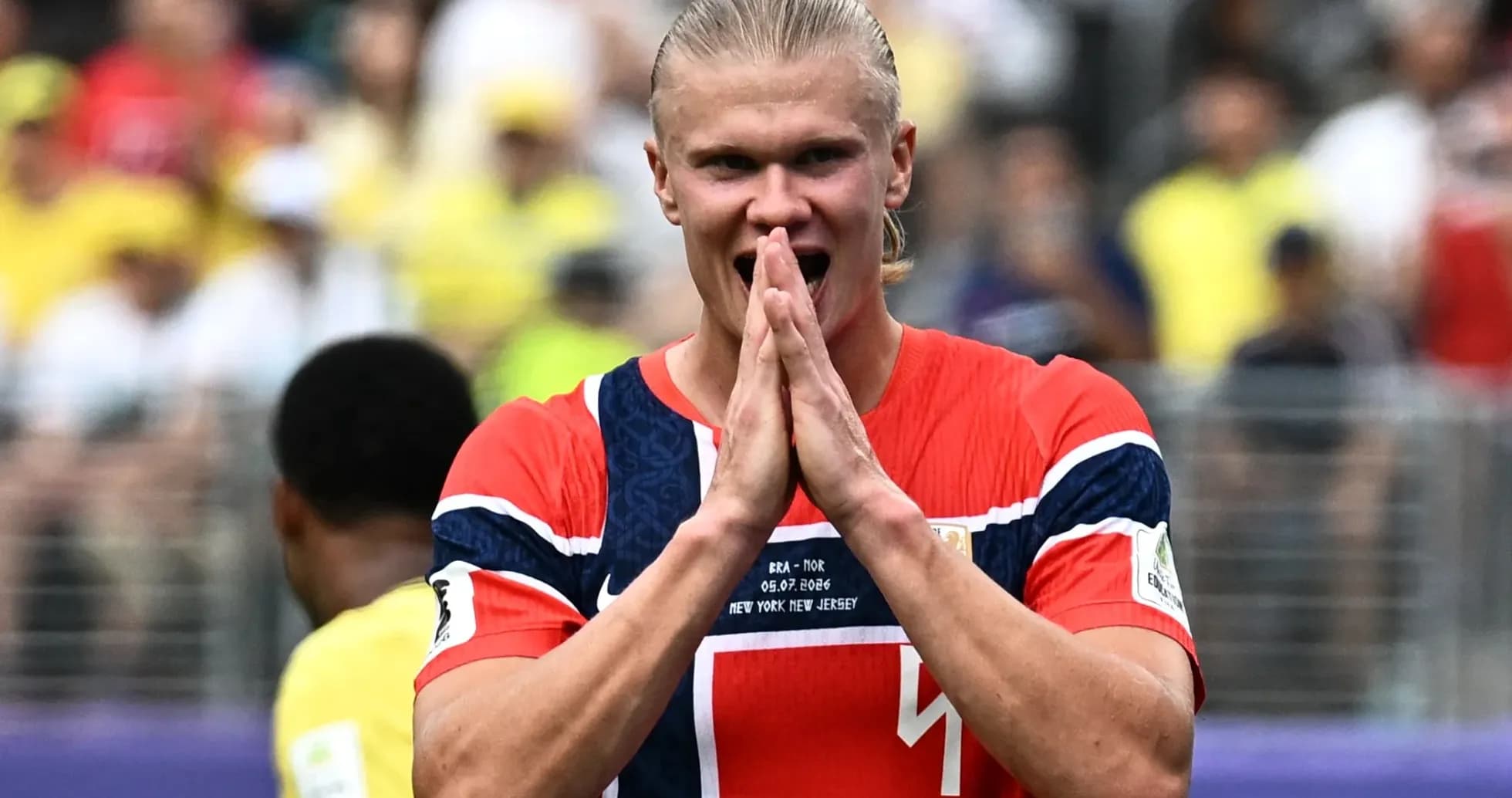
Erling Haaland should have faced Kylian Mbappé in the group stage, but Stale Solbakken kept his star on the bench with qualification already secured. The Norwegian still made up for it. He scored the winner against Ivory Coast in the first knockout round, then both goals in the 2-1 victory over Brazil that stunned the tournament and dragged Norway into the last eight.
Seven goals in four appearances. Fourteen consecutive Norway games with at least one Haaland strike, 27 goals in that run alone. Sixty-two goals in 54 caps. These are numbers that bend logic.
He arrives in Miami one behind Mbappé and Lionel Messi in the Golden Boot race, one ahead of Harry Kane. The margins at the top are razor-thin. One night, one chance, could tilt the argument over who is the most ruthless striker on the planet right now.
Kane has been just as relentless, in his own, more measured way. Two goals in the opener against Croatia. Another in the win over Panama that secured top spot. Both goals in the late comeback against DR Congo in the Round of 32. Then the penalty that ultimately settled that wild 3-2 epic against Mexico.
Six goals, all in high-leverage moments. Kane is 32 now, but his game has always aged well. He doesn’t need space; he needs half a yard and a clear thought.
They share a strange symmetry. Three-time Premier League Golden Boot winners. Both with successful spells in Germany. Yet they’ve only met twice on a pitch: Tottenham vs Manchester City in 2022/23. One win each, one goal each. Dead level.
Miami might not settle the Golden Boot on its own. But if one of them drags his country into the semifinals, the argument over who sits on the throne of modern centre-forwards will feel very different by Sunday morning.
The Haaland problem: is Dan Burn really the answer?
Stopping Haaland is not a tactical question. It’s an existential one. Most teams don’t really stop him; they just hope to slow the damage.
England, oddly, have a card to play that almost no other nation does: Dan Burn.
On paper, it sounds faintly ridiculous. A 6ft 7in Newcastle centre-back who only made his England debut months before his 33rd birthday. Four starts, all against Andorra and Albania in qualifying. A late call in Thomas Tuchel’s World Cup squad that barely raised a ripple outside Tyneside.
Then came Mexico.
Thrown on for the final 15 minutes, Burn turned into a human lighthouse in England’s box, heading away cross after cross, flinging himself into blocks as Tuchel’s side clung to their 3-2 lead with 10 men through a long stretch of added time. It was ugly, desperate, and exactly what England needed.
Now the question is whether that cameo was a one-off or a preview.
Burn is two inches taller than Haaland, nine years older and nowhere near as mobile. But he knows the Norwegian’s game. Haaland has faced Burn eight times since joining City in 2022 – six in the Premier League, two in the domestic cups. Across more than 10 hours on the pitch together, Haaland has scored once, back in their very first meeting in August 2022.
For a striker who averages a goal every 73 minutes in international football, that record is not a quirk. It’s a blueprint.
He has struggled in similar ways against Ezri Konsa, scoring only once in 406 minutes across five games against the Aston Villa defender, again in their first encounter. Put those matchups against the wider context – 112 goals in 132 Premier League games over four seasons, three Golden Boots – and the outliers suddenly matter.
By contrast, Haaland has feasted on others. Seven goals in five matches against Marc Guehi before the Crystal Palace defender became his club teammate at City. He has never faced John Stones in opposition colours.
Tuchel knows the numbers. He knows that if England try to play a high line and leave Haaland running into open grass, they are flirting with disaster. A more conservative approach, with Burn or Konsa tasked with wrestling Haaland in tight spaces, might not be glamorous. It might, however, be their best chance of surviving.
Odegaard vs Rice: control vs pain
If Haaland is the finisher, Martin Odegaard is the architect of this Norwegian surge.
Against Brazil, the Norway captain put on a clinic. He carried the ball forward 61 times, completed 101 of his 109 passes and dictated a game in which his side allowed Brazil just 33.6 percent of the ball – the Selecao’s lowest ever share in a World Cup match.
England, astonishingly, had even less against Mexico. Their possession figure under Tuchel in that last-16 tie was the lowest recorded by the Three Lions since such data has been tracked. For long stretches of the final half-hour, they weren’t so much defending as surviving, pinned back in their own area with 10 men.
If they are to reach a first World Cup semifinal since 2018, and only their third since 1966, that has to change. They need the ball. To get it, they need to cut the supply at its source.
No one understands Odegaard better than Declan Rice. The two have shared an Arsenal midfield 117 times in three seasons, steering the club to a long-awaited Premier League title and a Champions League final. Rice knows Odegaard’s rhythms, his preferred angles, the moments he slows the game to accelerate it a second later.
But this is not the same Rice who stormed through club midfields all year. He has been managing neural pain for months, an issue affecting his lower back and hamstring. Odegaard will know that too.
Rice still logged 3,094 Premier League minutes this season. His England midfield partner Elliot Anderson played even more. Odegaard, by contrast, clocked just 1,369 league minutes. Fresher legs, sharper bursts, more energy in the final quarter of an hour – in Miami’s conditions, that gap could become decisive.
If Rice can’t close spaces as quickly, if he can’t step out with the same conviction, Odegaard will find pockets. If Odegaard finds pockets, Haaland gets chances. The chain is brutally simple.
Heat, humidity and who breaks first
There is another opponent on Saturday night, one neither side can out-think: Miami itself.
The forecast is brutal. Around 33C (91F), humidity close to 60 percent, a 5pm local kickoff and a real threat of thunderstorms. The city has already staged the two hottest games of the group phase, as Uruguay drew 2-2 with Cape Verde and 1-1 with Saudi Arabia.
Norway, on paper, should be better acclimatised. Four of their five matches have been played outdoors in hot, heavy conditions. They opened in Boston against Iraq, moved to New York/New Jersey to beat Senegal, returned to Boston to face France – a game in which Solbakken rotated 10 players – then stepped indoors only once, against Ivory Coast in Dallas. Their win over Brazil came back in the New York/New Jersey humidity.
England’s path has been kinder. They began under the roof in Dallas against Croatia, then faced Ghana in a rainy Boston and Panama in a wet New York/New Jersey. Their Round of 32 tie against DR Congo took place in the air-conditioned comfort of Atlanta. Even the Mexico match in Mexico City, delayed an hour by a thunderstorm, was played in relatively cool conditions.
This will be something different. Longer sprints feel heavier, recovery takes longer, concentration frays quicker. The team that manages the tempo, uses the ball to rest and rotates intelligently might not just win the tactical battle – they might simply stay upright longer.
In that sense, Odegaard’s measured control and Haaland’s ruthless efficiency offer Norway a clear identity. England must decide whether to press high and risk burning out, or sit deep and trust their forwards to make the most of fewer attacks.
Norway’s left vs England’s right: a fault line in the making
There is one area of the pitch where this game could tilt dramatically: Norway’s left flank against England’s makeshift right.
Reece James is the only recognised right-back in Tuchel’s squad. He has missed the last three matches after suffering a hamstring injury against Ghana. Tino Livramento, the alternative, never even made it to kick-off in this tournament, ruled out with a calf problem on the eve of the World Cup.
Since James limped off, Tuchel has shuffled the deck. Djed Spence has had a go. Konsa, Stones and Jarell Quansah have all been asked to patch the position. At one point against DR Congo, Rice even dropped in at right-back to help close out the game.
Now Quansah is suspended after his red card against Mexico. James is pushing to be fit, a potential lifeline for Tuchel. If he passes his tests, England regain a natural defender on that side. If he doesn’t, Konsa is the favourite to reprise the role he filled so impressively in the rearguard stand last time out.
Whoever starts will walk straight into one of Norway’s sharpest weapons.
Antonio Nusa, cutting in from the left, is quick, direct and fearless. His right-footed curler into the top corner against Ivory Coast in the Round of 32 was one of the goals of the tournament. He has flickered in and out of games, but his threat is constant: he forces defenders to turn, to run, to make decisions under pressure.
Yet it was his replacement against Brazil who truly changed Norway’s trajectory. Andreas Schjelderup came on at half-time and delivered his best performance of the World Cup. The Benfica winger whipped in the cross that Haaland buried for the opener, then teed him up again at the edge of the box to lash home the second and seal the upset.
That left flank is not just about flair. It is a supply line to the most dangerous finisher in the competition. If England’s right-back – be it a half-fit James or an out-of-position Konsa – loses that duel, Haaland will not need many invitations.
England have been here before, close enough to feel the pull of the final week of a World Cup, yet always one bad half, one chaotic spell, one moment of brilliance from a rival away from the door slamming shut.
Norway, by contrast, are playing with house money, but their football has outgrown the underdog tag. They have a striker chasing history, a captain running midfields, and a belief hardened by taking down Brazil.
In the Miami heat, something has to give. Will it be England’s nerve in yet another quarterfinal, or Norway’s remarkable surge on their first World Cup return in nearly three decades?