England's ODI Tour: A Shift in Focus
Perth remembers. How could it not?
Twelve months ago England arrived at Optus Stadium talking about revolution and redemption, armed with slogans and swagger, only to be sliced apart by Travis Head and beaten inside two days. The Ashes bid never recovered from that glass‑jawed opening. Now they are back in Western Australia, but in a very different light.
This is a white‑ball tour, three ODIs from Friday and five T20s to follow, yet the real shift runs deeper than format. The noise has drained away. Brendon McCullum still holds the title of limited‑overs head coach, but nobody is trying to rebrand the trip as a Bazball spin‑off. No manifestos, no crusade. Just another visiting side, slipping into town while Australian cricket argues with itself.
Even the local paper feels it. Last year the West Australian plastered Ben Stokes as a “Cocky Complainer” and reduced Joe Root to “Average Joe”, gleefully fanning the Ashes flames. This week it managed a back‑page nod to Jofra Archer and the “Poms’ daunting Perth task”, then largely left it there. England are not the main attraction. They are barely the support act.
The spotlight sits squarely on Usman Khawaja and the storm whipped up by his autobiography, Sabr. Twenty‑two pages on the 2018 sandpaper scandal have dragged Australian cricket back into its most uncomfortable story, reopening old wounds and exposing new gaps. Against that, Harry Brook’s developing ODI side barely registers.
Root in the firing line, but playing it straight
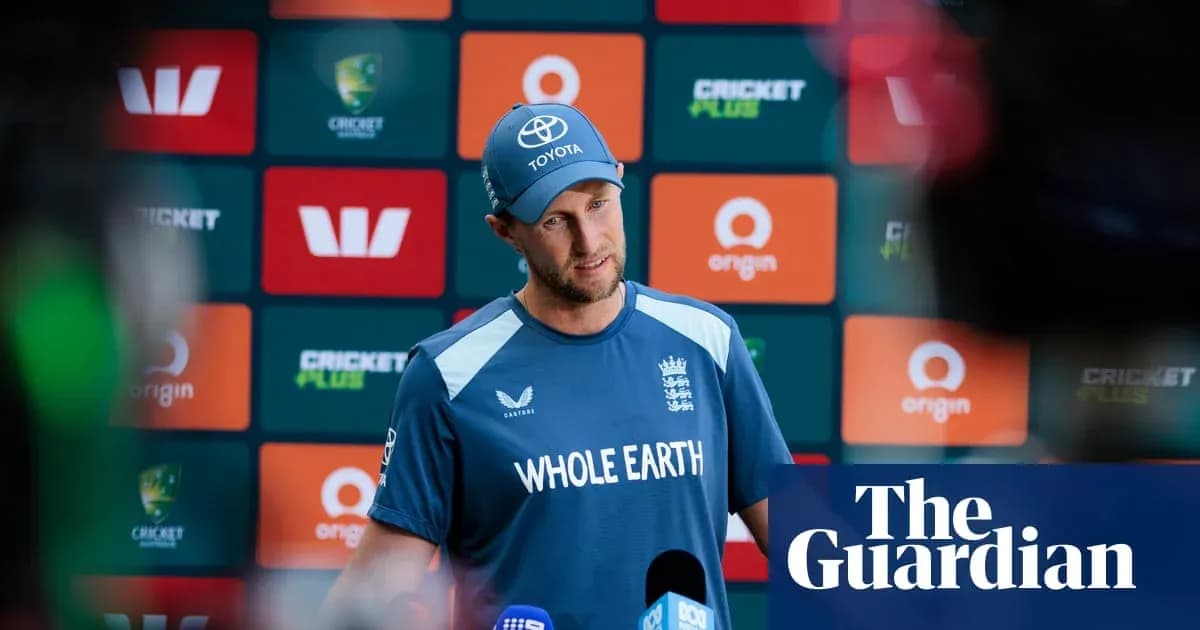
England helped that sense of detachment along on Wednesday by sending out Root for media duties. On paper, a heavyweight: one of the game’s premier batters, about to play his 200th ODI. In practice, the straightest bat in town.
Asked about the 2017‑18 Ashes tour he captained – the very series Khawaja now claims featured Australian ball‑tampering long before Cape Town – Root simply refused to be dragged in. “I don’t want to speculate,” he said, and steered the conversation back to the cricket ahead.
The only time he even brushed against the hottest topic in the sport was when pressed on a familiar Australian refrain, echoed by Khawaja, that “everyone was doing it” before Australia were caught. Root’s answer was brief and telling. “I can only speak from my own experiences,” he replied with a shrug. “That’s not how I feel.”
No accusations. No grandstanding. Just enough distance to keep England out of the blast zone while the hosts turn the heat on themselves.
A quieter England, a clearer brief
England have little incentive to wade into the moral maze. They can watch from the sidelines while the home side stews. Their job here is more prosaic: toughen up a largely inexperienced 50‑over squad before next year’s World Cup and shake off the rust from a poor tri‑series in Pakistan.
There is, though, one notable improvement on last year’s chaotic Ashes build‑up. This time England have actually played a proper tour match at the Waca, rather than stumbling into a marquee series undercooked. The backroom operation has bulked up too. No more skeleton staff by design; Kevin Pietersen is among a cluster of specialist coaches, joined by two dog‑stick experts borrowed from Kolkata Knight Riders to fine‑tune fielding.
It is a small but pointed contrast with the muddled thinking that underpinned that doomed Test campaign. Less noise, more preparation. Whether that translates into results is another matter.
Sandpaper that won’t go away
How long the Khawaja revelations dominate the agenda is impossible to call. Cricket Australia has already ruled out reopening an investigation that looked rushed at the time and has since been exposed as deeply flawed. The governing body wants closure. The story refuses to oblige.
Khawaja has been hit with a backlash – some of it ugly, much of it lazy. Claims that his book is a simple cash grab ignore the breadth of the memoir and the care with which he treads around certain details. Yet he has undeniably filled in parts of the original narrative and exposed other areas that now look conspicuously blank.
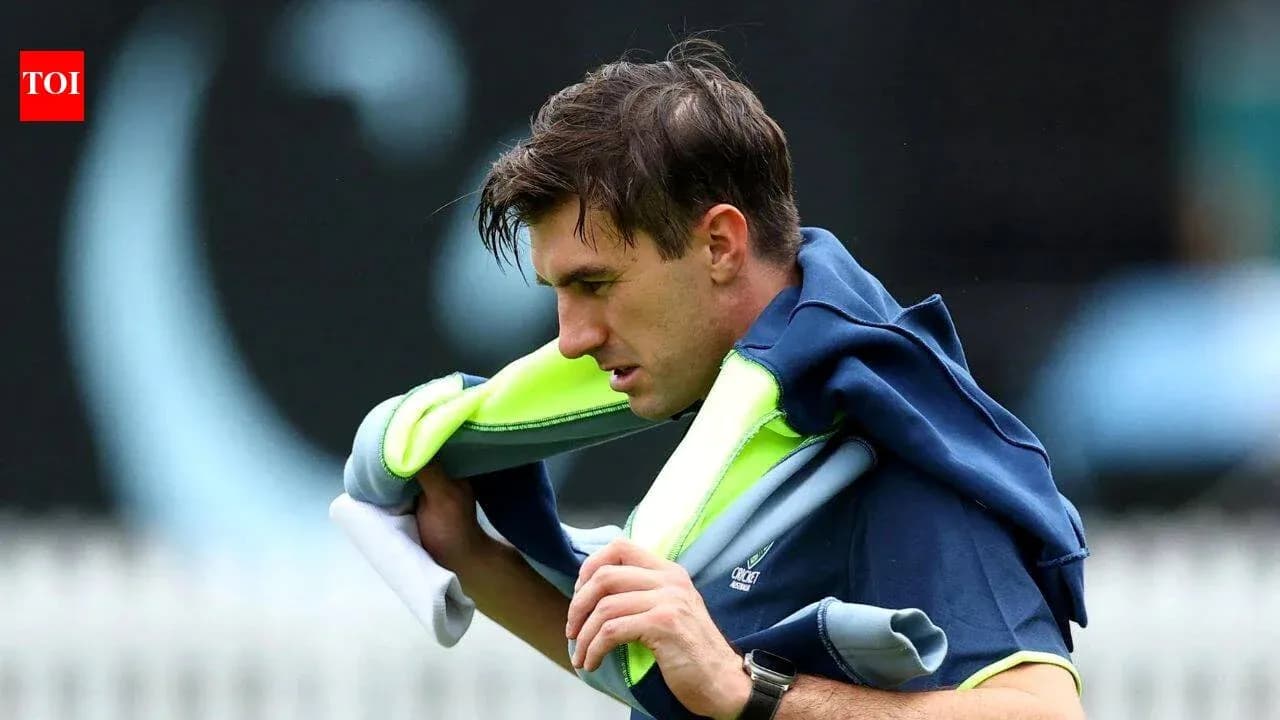
There remains a clear appetite for answers, particularly around David Warner, one of three players handed what many still regard as absurdly long bans. The public also wants to hear from Pat Cummins, the current Test captain, even though he and fellow quicks Mitchell Starc and Josh Hazlewood have been rested from this white‑ball series. The explanation is the suffocating schedule rather than a tactical retreat from awkward questions, but the optics are what they are.
Starc has already spoken, doubling down on the joint statement issued by Australia’s fast bowlers in 2021. His position grows increasingly semantic in the face of fresh claims about when and how the tampering began. Whether Cummins chooses the same route, especially with Khawaja suggesting sandpaper surfaced earlier in that fateful tour, will be closely watched.
Even Khawaja, the latest catalyst, has shown how treacherous this terrain can be. His appearance on ABC’s 7.30 programme on Tuesday turned into an interrogation more suited to a cabinet minister than an opening batter. Pressed to name names he had deliberately left out of print, he became evasive, an uncomfortable figure caught between legal risk, dressing‑room codes and public curiosity.
So England train at the Waca, tune up for a low‑key ODI, and keep their counsel. The last time they came to Perth, they walked straight into an Australian onslaught. This time, the blows are landing in the home dressing room.