Pat Cummins Faces Sandpaper-gate Controversy Again
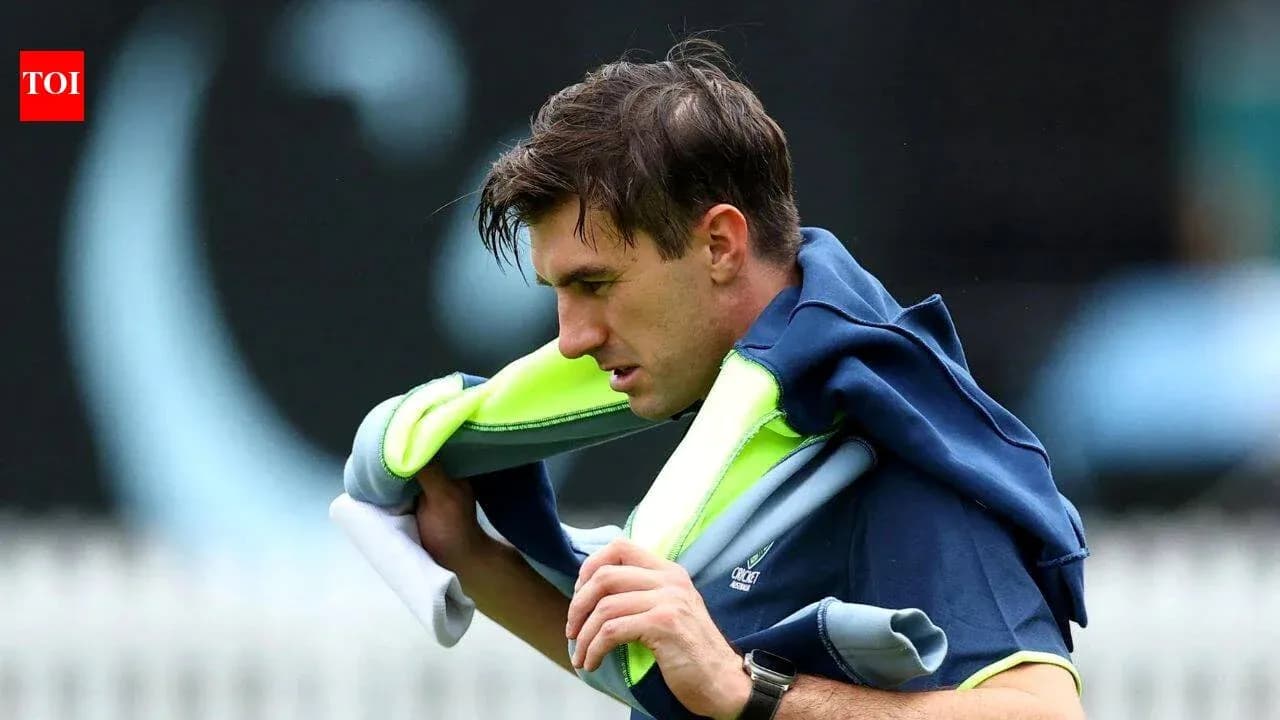
Pat Cummins’ first public sighting since the latest flare‑up over Sandpaper-gate did not come with a press conference, a training session or a sponsor event. It came on a Sydney street, in casual clothes, mid-conversation with his wife.
The Australian captain was filmed in what appeared to be a tense, animated exchange with Becky Cummins before the pair walked into a nearby property, footage The Australian published on Wednesday. Cummins, in a T‑shirt and shorts, looked more reserved than confrontational, speaking far less than his visibly animated partner.
On any other week, it would have been a forgettable slice of private life. This week, it lands squarely in the middle of a fresh storm over a scandal Australian cricket has spent six years trying to bury.
Old wounds, new claims
The timing is impossible to ignore. Cummins is currently resting from Australia’s two white‑ball series against England, gearing up for four looming Tests against New Zealand. Instead of talk about his workload or his bowling plans, the conversation has swung back to Cape Town, 2018.
Usman Khawaja’s new autobiography, Sabr, has dragged Sandpaper-gate back into the headlines. In the book, released on Tuesday, the former batter claims the entire Australian dressing room knew about the plan to tamper with the ball during the ill‑fated Test series in South Africa.
David Warner, already central to the original scandal, has backed Khawaja’s version of events. That support has only sharpened the focus on who knew what, and when, inside one of the most scrutinised dressing rooms in world cricket.
Khawaja’s account revisits the saga that saw Cricket Australia hand heavy suspensions to then‑captain Steve Smith, vice‑captain Warner and opener Cameron Bancroft. It was supposed to be the full stop at the end of an ugly chapter. Instead, the punctuation has changed again.
Cummins holds the line
Cummins, now the face of the national side’s rebuilt image, has been forced to address the revived claims. His stance has been clear: this is old ground.
“It’s obviously a long time ago. All the investigations, everything was done back then. Answered every question a million times,” he said when asked about the possibility of Khawaja’s story diverging from the official findings.
“It was dealt with then, all I can say is as a group we’ve moved on. Very happy with the last eight or nine years, how we’ve been as a group and evolved. He didn’t go into too much detail . . . As always it was ‘no worries, you can tell your story, that’s fine’.”
That is the line Cummins is trying to walk: respect a former teammate’s right to tell his story, while insisting the current team has left that era behind. The street footage does not change that message, but it does underline the pressure he now carries not only as a bowler and captain, but as the public face of Australian cricket’s conscience.
Khawaja steps back from spotlight
While his book continues to generate headlines, Khawaja himself has retreated. After a searching interview on ABC’s 7.30 program, he cancelled his remaining media appearances for the launch.
On 7.30, Khawaja was pressed on whether he felt let down that the bowlers had not admitted knowing about the sandpaper plan. He chose his words carefully.
“I’ll say again, I’ve given my statement about what happened the game before,” he said. “I was very open and honest to what I saw and what conversations I had. Sometimes I’m very specific on things, and sometimes I’m a bit vague on things, and I do it on purpose because I’m trying to tell a story.”
When the questioning turned directly to the bowlers’ involvement, he drew a firm line.
“I’m just not going … I’m not going to entertain that,” Khawaja said. “I’m not going to really speak on any more of it at this moment.”
The refusal only fuels speculation. The book hints. The interview dances around the central names. The public is left to join the dots while those at the centre either stay silent or insist the matter is closed.
A captain between eras
That is where Cummins now finds himself: between an era Australian cricket wants to forget and a present built on a narrative of cultural reset and accountability.
He was not captain in 2018. He has, however, become the symbol of what Cricket Australia claims the team has become since. Every fresh allegation, every new recollection, drags that symbolism back into question, fair or not.
The images from Sydney show a man trying to live a normal life while the game’s oldest ghosts bang on the door again. The Tests against New Zealand will arrive soon enough. The question is whether the noise around Sandpaper-gate finally fades by then, or whether Cummins will carry that weight with him all the way to the first ball.