England Women's Red-Ball Reboot Ahead of Ashes
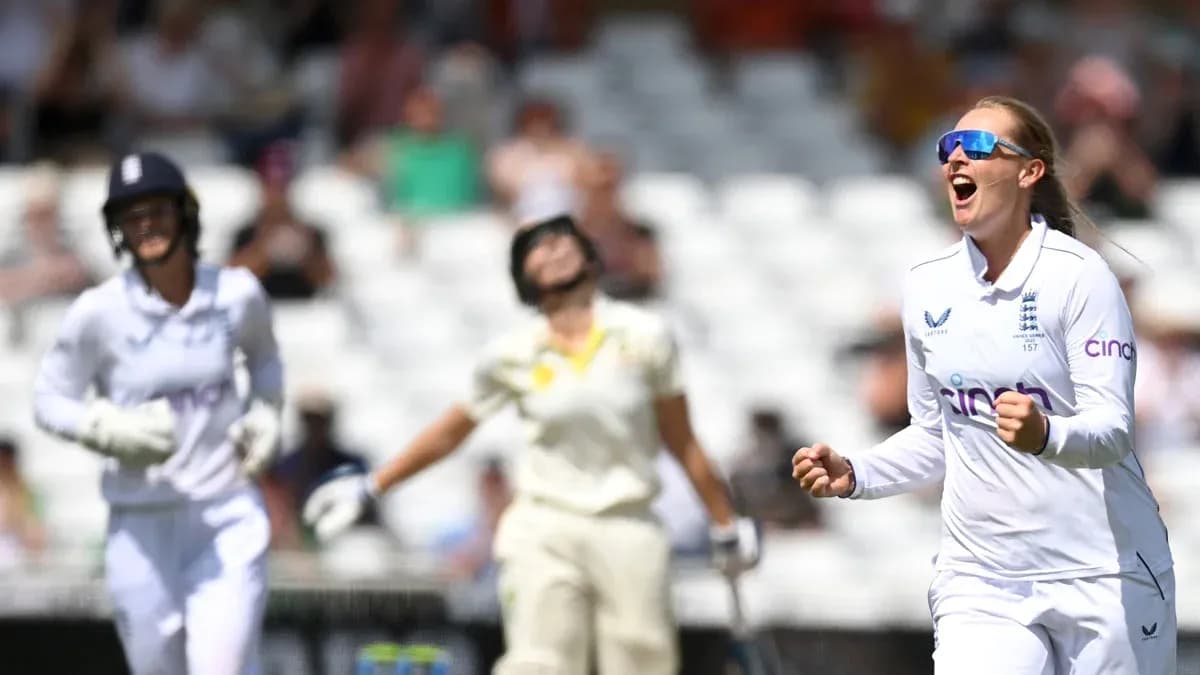
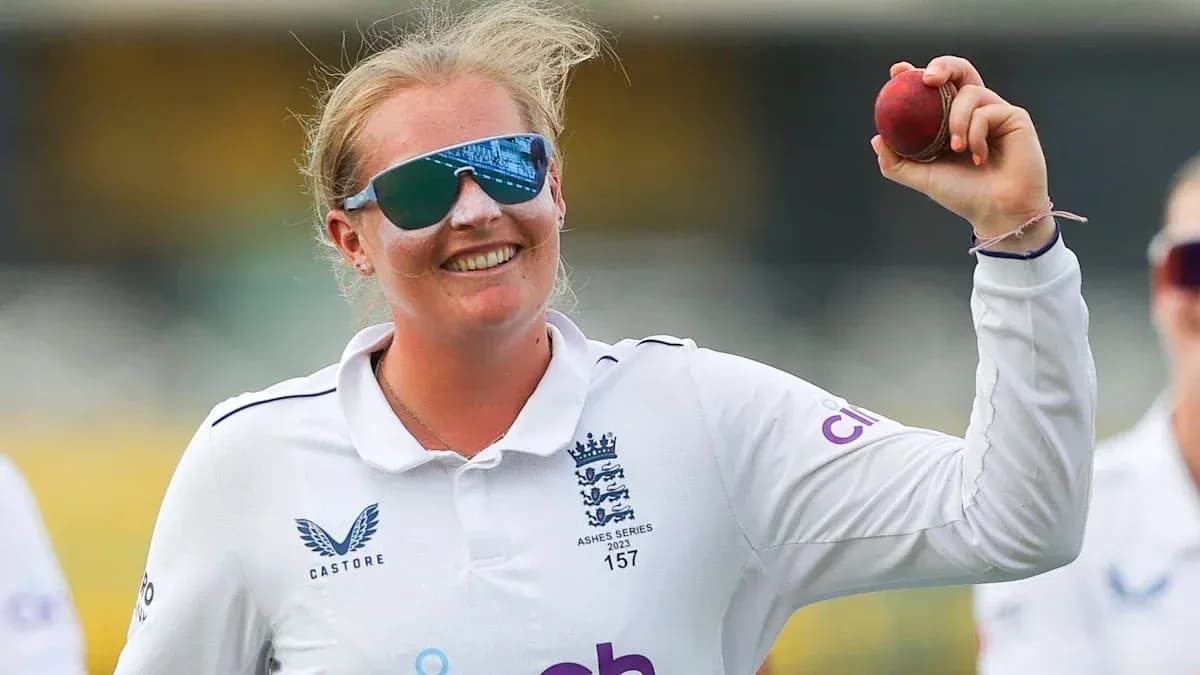
England’s women have torn up their spring schedule and redrawn it around one thing: beating Australia.
The planned Test match in the West Indies in April is off. In its place, Nat Sciver-Brunt and her team will spend the first half of 2025 immersed in red-ball cricket at home and in India, all geared towards the Women’s Ashes Test at Headingley from 24-27 June.
From Caribbean postcard to Yorkshire battleground
On paper, a Test in the Caribbean looked attractive. In reality, it offered little of what England feel they need most: meaningful, sustained preparation in conditions that mirror an Ashes summer.
Since their last four-day clash with Australia in January 2025 – an innings defeat in Melbourne – England have played just one Test, a bruising loss to India at Lord’s. Two heavy defeats, one glaring problem: not enough long-format cricket.
So the West Indies tour has been stripped back to three T20s and three one-day internationals. No Test. No compromise on the Ashes build-up.
Instead, England will stage four red-ball matches in the UK before Headingley. One will be a three-day game against Australia A, the others intra-squad “best v best” contests designed to crank up internal competition and sharpen red-ball skills under English skies.
Bangalore, then back home: a red-ball boot camp
The overhaul starts early. In January, England will head to Bangalore for a dedicated red-ball training camp, a 10-day warm-weather block that the ECB believes will reset their long-format game.
“A 10-day warm-weather red-ball camp in India followed by four further matches in English conditions will provide Charlotte Edwards and her team with the appropriate game time to be ready for that challenge [of Australia],” said ECB chief executive Richard Gould.
This is not a token gesture. England expect to use 26 or 27 players across the camp and the subsequent matches, a broad pool that allows them to test depth, combinations and temperament over multiple days rather than in the short, sharp bursts of white-ball cricket.
“Best versus best in English conditions provides a valuable opportunity for the team,” Gould added. “It also allows us to assess our strength in depth, give opportunities to more players and get a number of competitive multi-day cricket matches across a longer period into the wider group.”
The message is clear: no one walks into an Ashes Test shirt. It has to be earned, and it has to be earned over spells, sessions and days.
Financial noise, performance call
The decision comes against a backdrop of financial strain in the Caribbean. Cricket West Indies chief executive Chris Dehring has already been open about the costs of staging long-format cricket in the region.
“We would welcome any assistance of our much wealthier member boards,” he told BBC Sport previously. “It is very expensive to host cricket in the Caribbean.”
That naturally sparked talk that England’s Test might depend on outside funding. But BBC Sport understands the ECB’s move is not tied to those discussions and is being treated internally as a pure performance call: every major decision framed around maximising England’s chances of regaining the Ashes.
For West Indies, the cancellation underlines a stark reality. They have not played a women’s Test since 2004 – their only red-ball match in 47 years. One more opportunity for their players to taste the longest format has vanished.
A rare chance at Headingley
The Ashes Test itself carries weight beyond its four days. It is worth four points in the multi-format series and will be staged at a ground steeped in English Test history.
Headingley has seen miracle chases, collapses, careers made and broken. England want to arrive there with a core group of players who have already lived through long spells, tired bodies, wearing pitches and the mental grind that comes with four-day cricket.
They were exposed in Melbourne. They were outplayed at Lord’s. Now, with Charlotte Edwards at the helm and a calendar bent around red-ball readiness, there are no excuses left.
By June, the scorecard will show whether this gamble on preparation was bold and brilliant, or simply not enough against the most ruthless women’s side in the world.