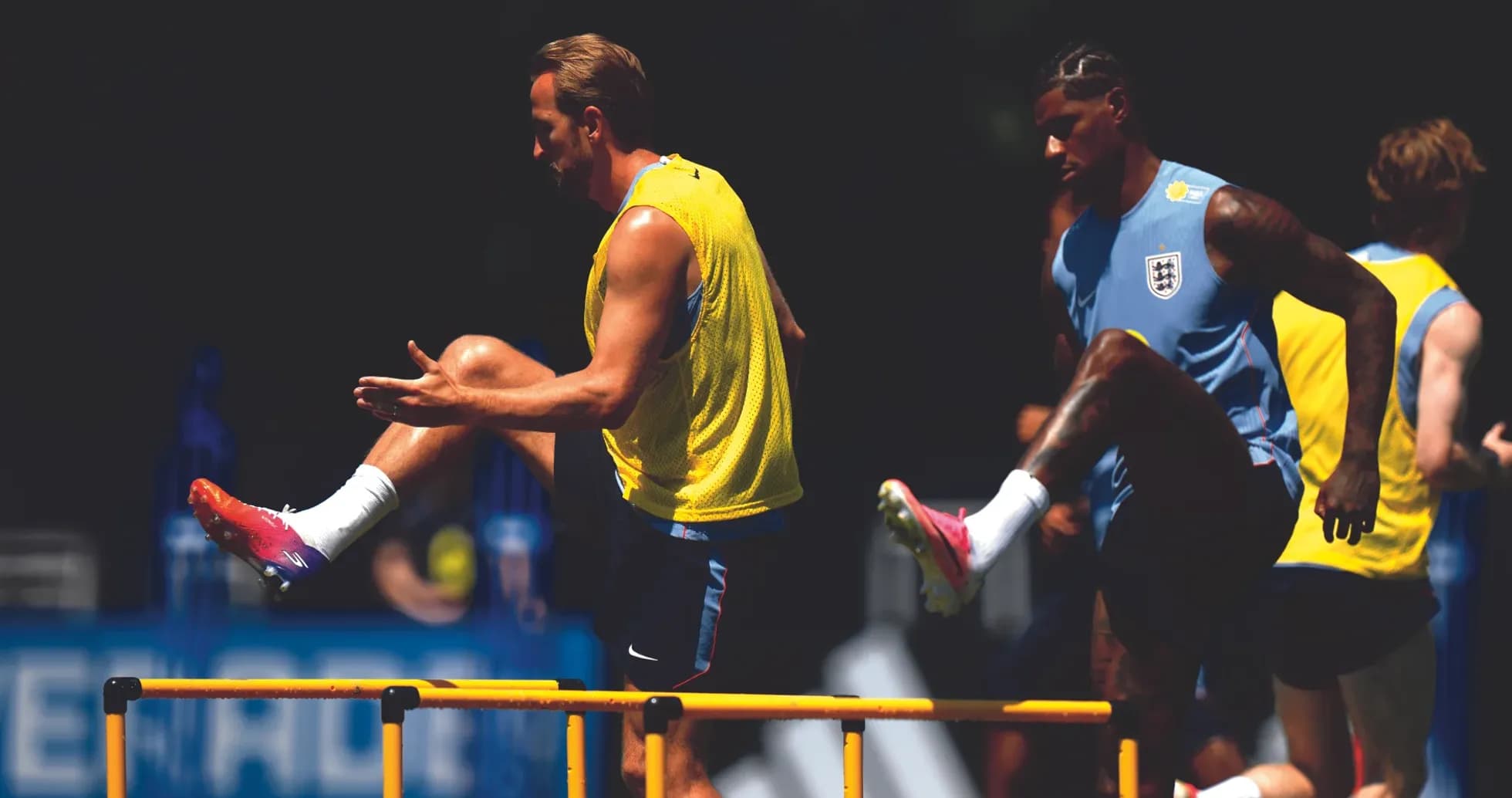
England's World Cup Challenge: Attack Shines, Defence Wobbles
England’s attack has arrived at this World Cup with a roar. The defence, though, is already under the microscope.
Thomas Tuchel’s side opened their campaign with a wild 4-2 win over Croatia in Arlington, Texas – a scoreline that flatters the forwards and exposes the back line in equal measure. Twice England led in the first half. Twice they were dragged back. Only when the tempo rose after the interval did the gulf in energy and ambition show against an ageing Croatian team.
The goals were slick, sharp, ruthless. The questions at the other end will not go away so easily.
Attack purring, doubts rumbling
On paper, England should feel secure. They breezed through qualifying without conceding a single goal in eight matches, a statistic that usually screams solidity. But tournament football is a different beast, and Croatia gave a glimpse of where this team can be hurt.
Tuchel watched his defence hesitate, lose duels, and leave spaces that better sides will devour. The warning lights flashed in that first half, and people inside the game noticed.
Former England defender Gary Neville, now on pundit duty with Sky Sports, did not hide his concern. The way England were opened up before the break, he suggested, will force the head coach to reconsider how he sets his team up.
“I think that it will make Thomas Tuchel adjust for maybe games two and three, and make him think slightly differently about how he sort of maybe plays that defence, and how he looks at protecting them,” Neville said.
The pressure now tightens with Ghana waiting in Boston. Beat the African side and, if Panama fail to defeat Croatia, England will top Group L and move into the last 32. The stakes are clear. So are the fault lines.
Experience left at home, risk taken to the tournament
Some of those doubts are self-inflicted. Tuchel chose to leave three seasoned tournament defenders behind: Real Madrid right-back Trent Alexander-Arnold, and the Manchester United pair Luke Shaw and Harry Maguire. All three know the rhythms and stresses of major finals. All three watched the Croatia game from home.
Then came a blow before a ball was kicked in anger. Tino Livramento’s injury ruled him out, forcing a call-up for Trevoh Chalobah, who arrived with just one cap to his name.
The numbers tell their own story. England have nine defenders in this 26-man squad. Between them, they own 191 caps. John Stones accounts for 90 of those on his own. Strip him out, and the rest of the back line is as green as it feels.
Against Croatia, three members of the back four were World Cup debutants: the injury-prone Reece James, Ezri Konsa and 21-year-old Nico O’Reilly. They are talented, ambitious, and fearless going forward. They are also learning international tournament football on the fly.
Stones, Konsa, Guehi – Tuchel’s big call
That inexperience feeds directly into the main selection debate: who should anchor this defence?
Tuchel has long trusted Konsa, the Aston Villa defender who has grown into a favourite under the German. The coach also leans heavily on Stones, whose calm on the ball and big-game know-how he values, even though the centre-back started just five Premier League games last season before leaving Manchester City.
The obvious alternative sits in Marc Guehi. The Manchester City defender brings athleticism, recovery pace and a strong one-on-one profile. The question is not whether he plays, but who he dislodges.
Former England striker Chris Sutton has already nailed his colours to the mast. He would leave Stones out altogether.
“I think Konsa and Guehi have better attributes in terms of one-against-one situations than John Stones and there will be times in games when they will be isolated one-against-one against players of the highest class,” Sutton told the BBC.
It is a bold stance, but not an isolated one. Look ahead to the teams England aspire to beat – France, Spain, Argentina – and you see wide players who live for those isolated duels. Kylian Mbappé, Vinícius Júnior, Lamine Yamal: they do not ask politely. They attack space and hesitation without mercy.
Tuchel’s choice at centre-back will say everything about how he intends to face that threat.
Inside the camp, calm – at least in public
Not everyone is losing sleep over the back four. Inside the England camp, the mood remains upbeat, anchored by the belief that talent and time together will iron out the creases.
Forward Ollie Watkins, speaking at the team’s base in Kansas City on Sunday, pushed back against the rising noise.
“I think people are always going to try and criticise and find certain areas they can pick on but I think defensively we've got world-class players at the end of the day who have won major trophies and played at the highest level possible,” he said.
For Watkins, those first-half jitters against Croatia were more about nerves than structural flaws.
“I think maybe we started the game a little bit nervously the other day but you've seen once the nerves are out of the lads' system, I think in the second half we absolutely blew Croatia away.”
That second-half surge is the version of England Tuchel wants to bottle: aggressive press, quick transitions, relentless running. When they play that way, the defence has less to do. When they drop off, the cracks start to show.
Ghana next, then the real test
Ghana in Boston will not carry the same aura as France or Argentina, but they bring pace, power and a willingness to run at defenders. Perfect preparation, or a potential trap.
Win, and England most likely stroll into the knockouts as Group L winners, their attacking swagger the headline story. Stumble, and the conversation turns sharply from goals and fluency to caps, injuries and selection gambles.
Tuchel has his forwards firing. Now he has to decide how much risk he is willing to carry behind them, with the fastest and most ruthless attacks in world football lurking further down the road.