England's World Cup Heartbreak Against Argentina
England’s World Cup dream died in Atlanta on Wednesday night, and it went down fighting its own instincts as much as Argentina.
A 2-1 defeat at the Atlanta Stadium denied Thomas Tuchel’s side a place in the final, a result that will sting for years given how the game unfolded and how close England came to controlling it. When Anthony Gordon slammed home the opener on 55 minutes, England stood on the brink of a first World Cup final since 1966. Instead, the night turned into a debate about caution, control and a manager who chose to protect rather than press.
Tuchel under fire, but backed to stay
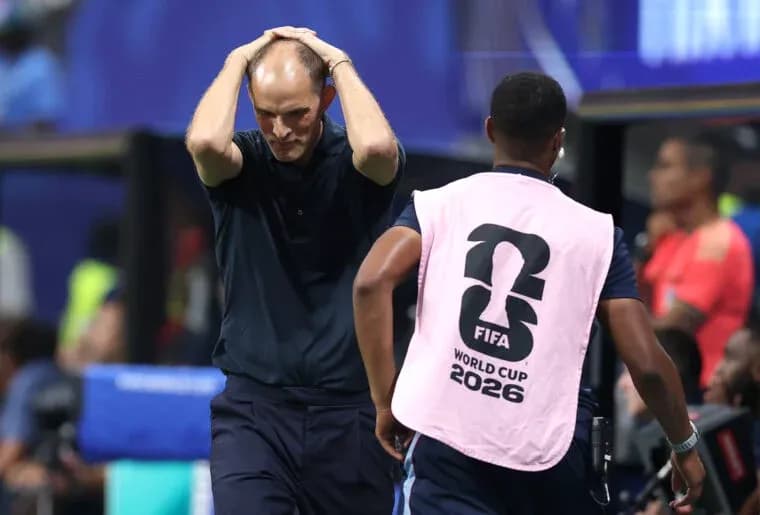
Tuchel walked into this World Cup as the architect of a new, sharper England. He walks out of it facing a storm.
Fans and pundits lined up to criticise his decision to retreat into a defensive shell after Gordon’s breakthrough. England dropped 10 yards deeper, the press eased off, and Argentina – never in the mood to accept a quiet exit – were invited onto the front foot. The pressure told. England’s grip on the game loosened, then slipped completely.
Yet inside the corridors of power, there is no appetite for revolution.
According to BBC Sport, the German retains the firm backing of the Football Association and is expected to lead England into Euro 2028. His job is not on the line. Far from it.
The 52-year-old, appointed in January 2025 on a contract designed to carry him through this World Cup, had already been rewarded with a two-year extension in February, tying him to the role until the end of Euro 2028. That decision, made months before a ball was kicked in this tournament, now takes on fresh weight. The FA have chosen their man and intend to ride out the turbulence.
From favourites to frustration
England did not sneak into this World Cup. They marched into it as one of the leading contenders, and for a while, they looked every inch the part.
They opened with a statement. Croatia were swept aside 4-2, a scoreline that barely captured the attacking swagger on show. It felt like a release, a confirmation that this generation could handle the burden of expectation.
Then came the wobble.
Performances against Ghana and Panama never truly convinced. The results were fine; the rhythm was not. England got through, but the fluency dipped, the questions grew louder. Was this a team peaking too early, or one simply pacing itself for the knockout rounds?
The answer appeared in the knockouts. England sharpened.
They saw off DR Congo, then delivered a commanding display at the Estadio Azteca to beat Mexico in what will go down as one of the standout performances of Tuchel’s tenure. Control, incision, authority – all the qualities that had been promised were suddenly there, in full view, on one of football’s most iconic stages.
Norway posed a different kind of test. Awkward, organised, dangerous in transition. England handled it with maturity, coming through with something stronger than style points: genuine resilience. By the time they arrived in Atlanta, they looked battle-hardened and ready.
A lead, a retreat, a brutal lesson
For 55 minutes against Argentina, the plan worked. England were disciplined, patient, waiting for the moment to strike. When Gordon found it, they were within touching distance of the final.
Then came the pivot.
Instead of hunting a second goal, England sank back. The lines compressed, the counter-attacks thinned out. What had been proactive became reactive. Argentina, sensing the shift, poured forward. The match turned into a siege, and England could not hold out.
The defeat will be framed around that decision – the move from ambition to caution at the very moment the game seemed there to be seized. Tuchel, a coach whose career has been built on detail and control, will know that this night will follow him into every press conference and every squad announcement until Euro 2028 kicks off.
Yet for all the anger, the story is not one of collapse. England arrived among the favourites and played like it for long stretches. They grew into the tournament, survived their flat spells, and produced some of the most complete football seen from a Three Lions side at a major finals in decades.
They just fell one step short.
Tuchel will now be judged not on whether he survives this setback – the FA have already answered that – but on what he builds from it. England have two years to turn a missed final into fuel. The question is no longer whether he is the man in charge.
It is whether this World Cup heartbreak becomes the making of his England, or the defining regret of a golden era.