Enzo Maresca Takes Control of Manchester City Captaincy
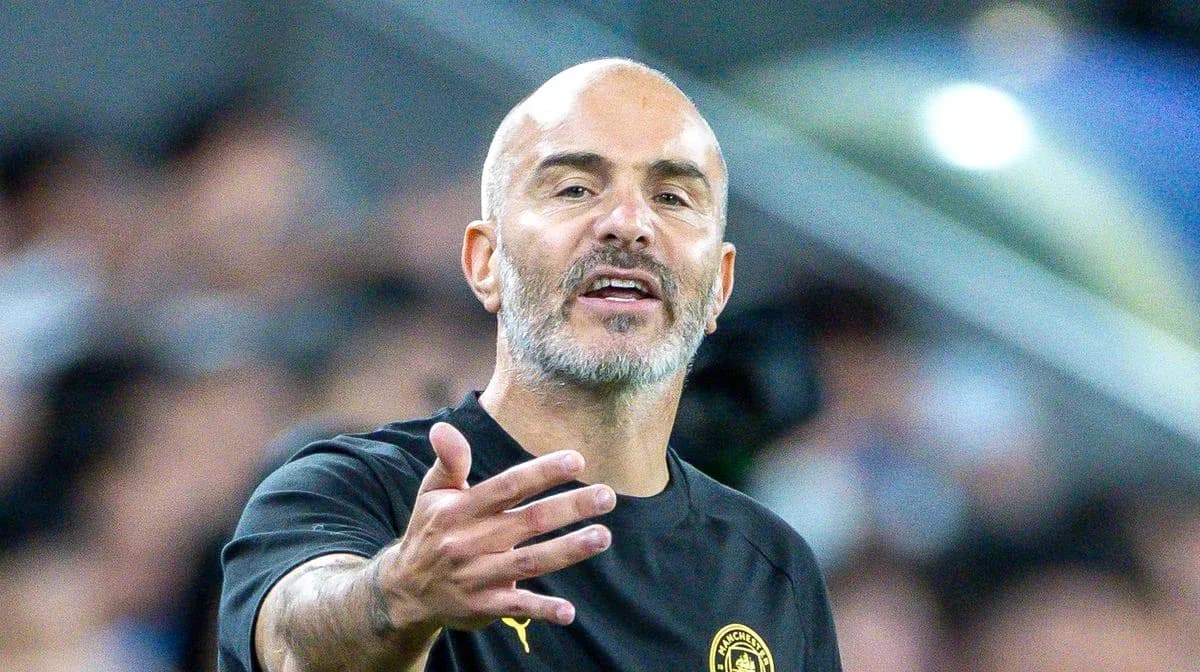
Enzo Maresca has wasted no time putting his stamp on Manchester City’s dressing room. The new manager will personally appoint his captains this season, shutting down any prospect of a players’ vote and signalling a clear shift in how authority will be shaped inside the Etihad.
This is his group now, and he wants it led his way.
Dias to inherit the armband
With Bernardo Silva leaving for Real Madrid, the armband is expected to move across the Portugal spine of the squad from creator to commander. Ruben Dias, long viewed as a natural successor, is in pole position to become club captain.
Dias was a leading contender last summer before Pep Guardiola halted the traditional dressing-room ballot. Since then, the centre-back has resisted interest from elsewhere and committed himself to City’s next chapter. Now, with Maresca in charge, the timing looks perfect for him to formalise his role as the voice at the heart of the defence.
Last season’s leadership group was small and sharply defined: Dias, Erling Haaland and Rodri. With Barcelona pushing hard to take Rodri to Spain, that core is being ripped open. Maresca intends to rebuild it with his own fingerprints all over it.
An English core – by design
One detail matters to the Italian: he wants at least one English player among his captains.
Phil Foden has already stepped into the conversation. This week, he spoke openly about his responsibility, acknowledging that as the longest-serving member of the current first-team squad, he can no longer just be the local lad with star quality. He has to be a standard-setter.
At 26, Foden is at a crossroads of sorts. Two years ago he was crowned the best player in the Premier League. Since then, his form and influence have dipped, the last seasons feeling more like a stall than a stride. Maresca’s arrival offers a reset, and a place in the captaincy group would underline his transition from prodigy to pillar.
If the manager wants English leadership, he has options. Marc Guehi arrived from Crystal Palace in January and slipped into City’s back line as if he had been there for years. He captained Palace, reads the game with clarity, and carries himself like a player comfortable with responsibility. He is still on holiday after the World Cup, but once he returns, his name will be firmly in the frame.
Nico O’Reilly and Elliot Anderson, both due back next week, give Maresca further homegrown voices to consider as he shapes the inner circle that will carry his message onto the pitch.
Maresca’s message of control
Removing the players’ vote is not a cosmetic tweak. It is a statement. Under Guardiola, the dressing room had a say in who wore the armband. Under Maresca, the hierarchy will be drawn from the manager’s perspective: who leads in training, who drives standards, who reflects his demands when the game turns chaotic.
Ruben Dias looks set to be the figurehead of that structure. Around him, Maresca wants a blend: the star power of Haaland, the authority of established internationals, and at least one English heartbeat who understands the club’s fabric.
City’s era under Guardiola was defined by a collective that almost ran itself. Maresca is choosing something different: a tighter, handpicked core, accountable directly to him.
The armband will be the same. The power behind it will not.