Fermín's Return and Raphinha's Transformation in Seville
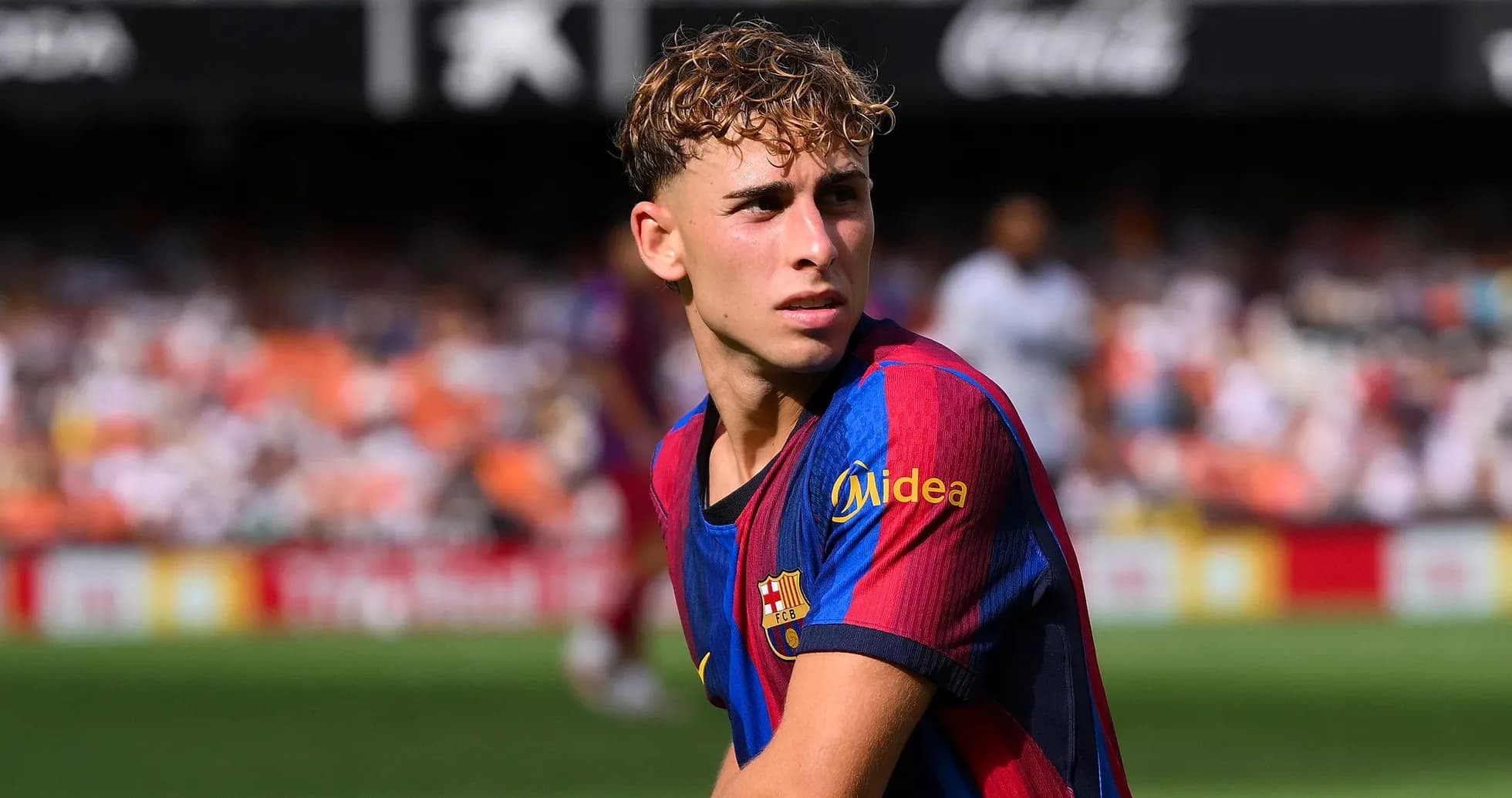
At the final whistle in the cauldron of the Sánchez Pizjuán, Fermín walked off with more than just three points. He carried a quiet vindication. A local boy from nearby El Campillo, a La Masia product who had seen his summer ripped apart by injury, is heading back into the Spain squad.
For the 23-year-old, Luis de la Fuente’s call for the upcoming Nations League games is not just a line on his CV. It is the door reopening after it had been slammed shut before the 2026 World Cup.
“I am very happy to return to the national team. It was very hard not to go to the World Cup. I have started the season well and I am happy to return to the national team,” Fermín said, not disguising how heavy those past few months had felt.
His words carried the weight of a player who had watched the biggest stage from the outside. Now, after a bright start to the campaign and a standout night in Seville, he steps back into the international frame with something to prove and the scars of that missed tournament still fresh.
Raphinha, the “unexpected nine”
Yet for all the emotion wrapped around Fermín’s return, the night’s spotlight fell squarely on Raphinha. Sevilla’s defence never truly got to grips with him. By the end, they were left picking the ball out of their net three times, undone by a Brazilian who no longer hugs the touchline.
Under Hansi Flick, Raphinha has shifted infield, drifting into central channels, often occupying the spaces usually reserved for a classic centre-forward. The tactical tweak has transformed his numbers. He now sits on 12 goals in just seven matches, a blistering start that plants him firmly at the front of the early Pichichi race.
Fermín, watching that evolution from close quarters, could only marvel.
“Raphinha is our unexpected number nine. It’s tremendous what Raphinha is doing. He is very good and he adapts to any position. We give him the passes and he scores the goals. He had never played as a center forward and he is putting up very good numbers,” he noted.
Those “unexpected” minutes as a nine are no longer an experiment. They are a weapon. Every time the ball turned over and his teammates broke lines, Raphinha appeared between centre-backs, finishing like he had lived there his whole career.
High press, high stakes in Seville
All of it came in one of the most unforgiving away grounds in Spain. Sevilla, roared on by their home crowd, threw their usual wave of pressure at the visitors. The intensity never really dipped. Every touch was hunted, every pass contested.
“Sevilla puts a lot of pressure on us here at their stadium, and Raphinha’s three goals have been decisive. The manager asks us to be very intense, to press high after losing possession,” Fermín revealed.
That last line summed up the blueprint. Lose the ball, swarm it. Win it back, play forward fast. The game plan was Flick’s, but it was the players who executed it in the noise and chaos of the Sánchez Pizjuán.
For Fermín, that chaos ended in calm: a vital away win, a starring teammate, and a national team call that once felt out of reach. For Raphinha, it ended with the match ball under his arm and the numbers of a striker, not a winger.
If this is what the “unexpected number nine” looks like in September, defenders across La Liga know what is coming next.