FIFA Disciplinary Action Against Spain for Racist Chants in Egypt
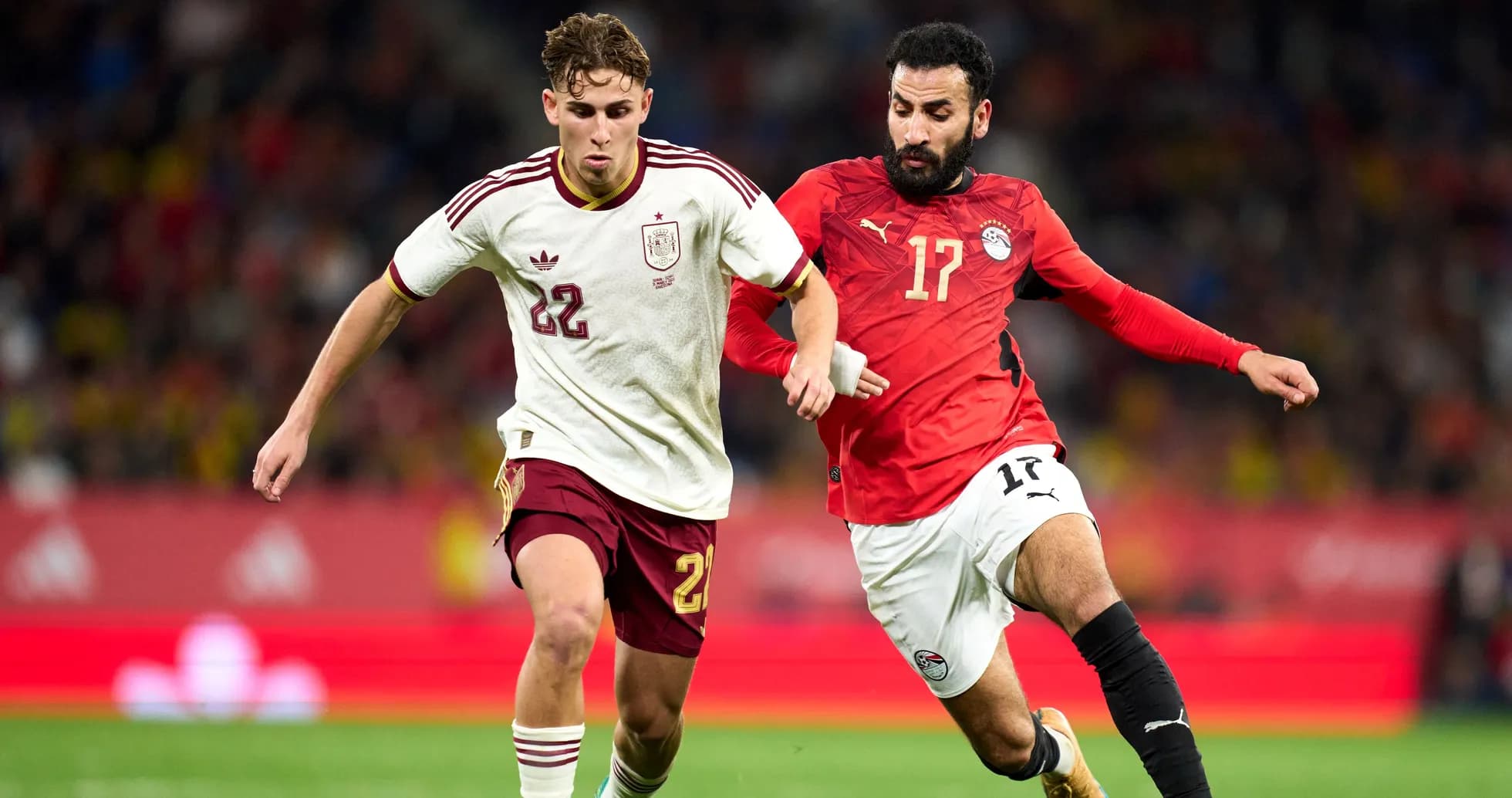
FIFA has moved against the Spanish Football Federation after racist and Islamophobic chants stained Spain’s recent friendly against Egypt, turning what should have been a routine international into a flashpoint with global repercussions.
The match itself, a goalless draw during the last international break, will be quickly forgotten as a sporting contest. What happened in the stands will not.
During the Egyptian national anthem, sections of the crowd booed. The hostility then escalated into chants targeting Islam, with one phrase – “Muslims don’t jump” – captured on video and shared worldwide. Those images and sounds have since circled the globe, prompting outrage far beyond the stadium’s walls.
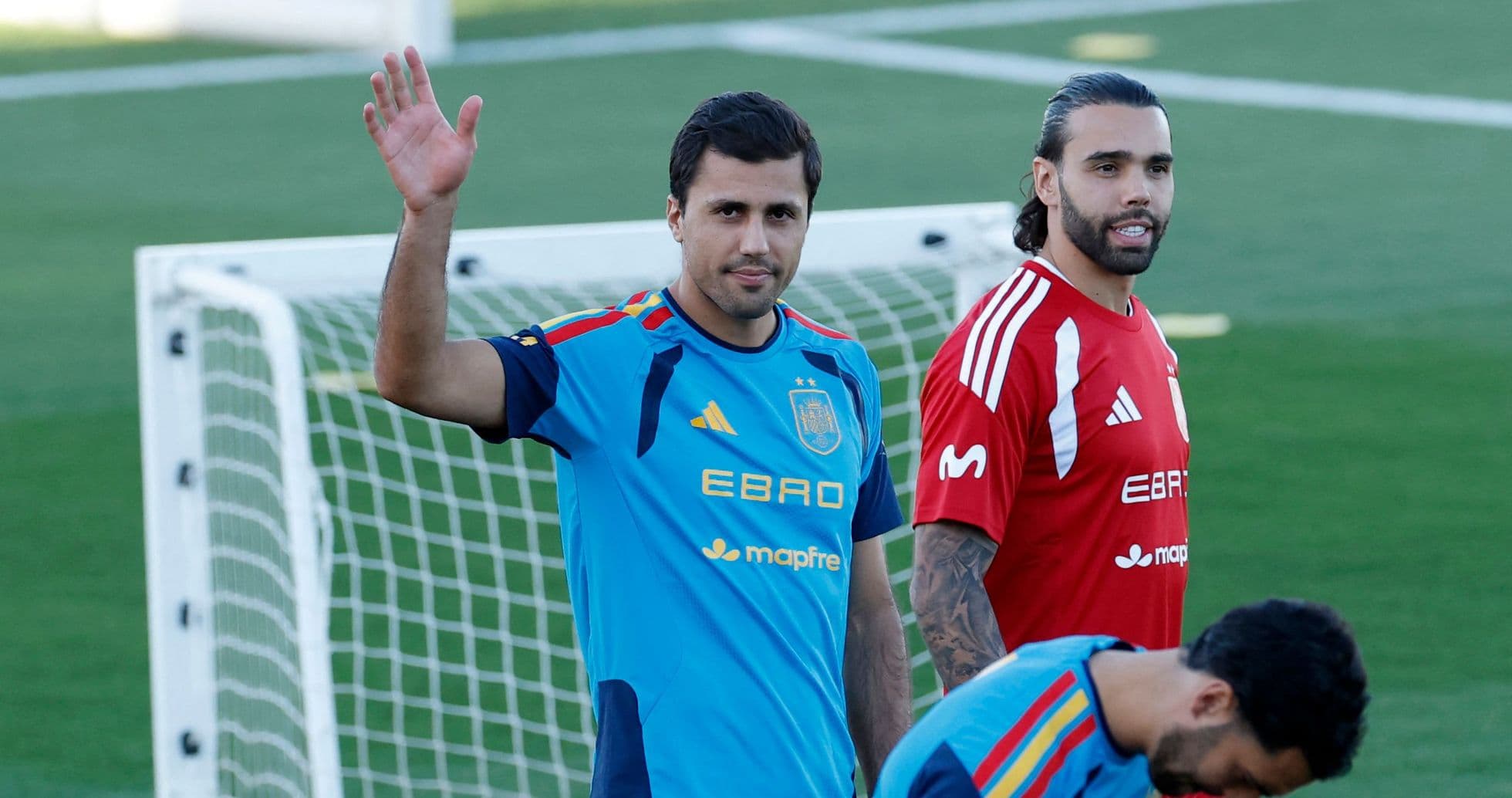
Condemnation in Spain was immediate and loud. The Spanish government spoke out. So did the Spanish Football Federation. Key figures within La Roja did not hide behind statements either: head coach Luis de la Fuente and teenage star Lamine Yamal publicly denounced the abuse, aligning themselves firmly against what unfolded in the stands.
In Catalonia, police have already opened an investigation into the incidents, responding to the anger that has flared in Egypt, across Spain, and in other countries watching on with disbelief.
FIFA, according to Spanish outlet AS, has now formally stepped in. The governing body has expressed its “displeasure” at the events and has initiated disciplinary proceedings against the Spanish Football Federation. The trigger was clear: the referee included the chants and atmosphere in his official match report, pushing the case directly to FIFA’s Disciplinary Committee.
The range of possible sanctions is on the table. AS reports that Spain could face a financial penalty and be ordered to display anti-racism messages at future fixtures. At this stage, a stadium closure is not expected, but the message from Zurich is unmistakable: this will not be brushed aside.
FIFA under Gianni Infantino has repeatedly vowed to take a harder line on racism in football, and recent history backs that up. The organisation has thrown its weight behind players who have found themselves at the centre of racist storms, including Real Madrid forward Vinícius Júnior.
Vinícius has become a symbol of that fight, repeatedly targeted by racist abuse in Spain and abroad. FIFA publicly supported him when he reported being called a “monkey” by an opponent during a Champions League clash in Lisbon against Benfica, a case that again pushed the sport to confront its ugliest fault line.
Now Spain, a powerhouse of the modern game, finds itself under formal scrutiny over chants that cut far beyond club rivalry or national tension and into religion and race.
The disciplinary process will run its course. The sanctions will arrive in due time. The real question is whether this latest case finally forces Spanish football to confront what keeps echoing from its stands.