Florentino Pérez and Rafael Nadal: The Future of Real Madrid
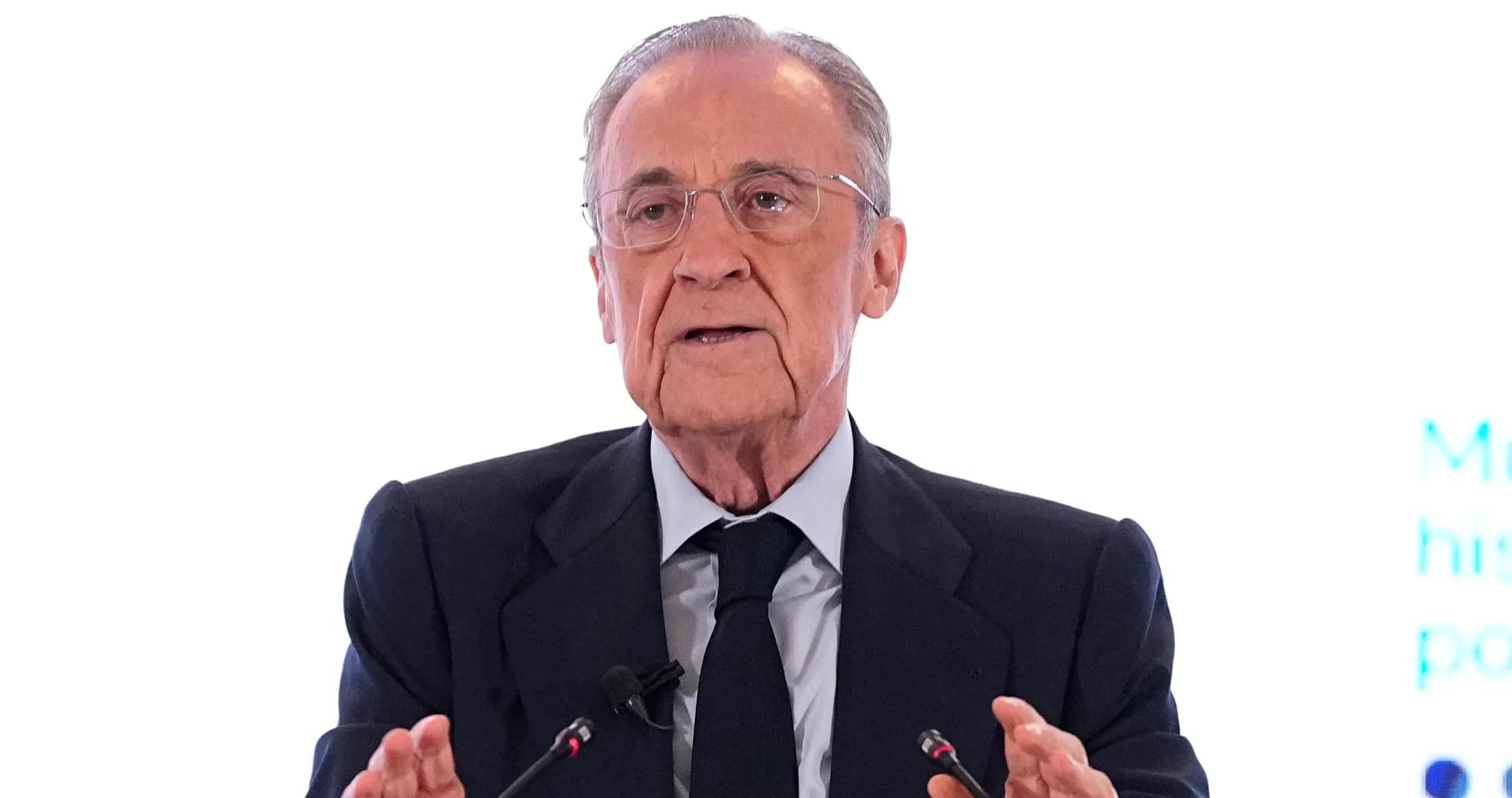
Florentino Pérez is already working on the day after Florentino Pérez.
While Real Madrid dominate on the pitch and unveil a gleaming Santiago Bernabéu, the club president is reshaping the institution behind the scenes, laying foundations he hopes will outlast his own reign. At the heart of that project sits a striking name: Rafael Nadal.
The Spanish tennis legend, a declared Real Madrid fan and global icon, has emerged as a potential future president of the club. His path into the inner sanctum began on 4 November, when Pérez moved to bring Nadal onto the club’s board – a decision he privately described as a “brilliant move”, according to Catalan newspaper Sport, citing El Periódico. The appointment is expected to be ratified at the general assembly on 21 November.
This is not a symbolic gesture. It is a power play.
Nadal, Riquelme and the Succession Game
Nadal’s arrival lands directly on the ambitions of businessman Enrique Riquelme, who collected 35% of the votes in the last elections and had positioned himself as a serious challenger to Pérez. By elevating Nadal, Pérez is not only strengthening his current project; he is also sketching the outline of a successor he trusts.
The rules, though, are strict. To stand for the Real Madrid presidency, Nadal must complete 20 years as a club member. He will only reach that milestone in 2031, a year after Pérez’s current term is due to end. Any candidate list must also provide a bank guarantee of at least 15% of the club’s expenditure budget – a financial barrier that keeps the race in the hands of the very powerful.
So the timing is not accidental. Pérez is setting the board now for a contest that could unfold in the next decade.
A Billion-Euro Blueprint Without Losing the Badge
The succession manoeuvres run parallel to a deeper institutional restructuring. Pérez is driving a plan to inject up to one billion euros of fresh liquidity into Real Madrid, while fiercely defending one of the club’s red lines: it will not become a sporting joint-stock company.
The idea is clear. Real Madrid would sell a minority stake to financial investors, securing a huge capital boost but without ceding control or altering its member-owned status. Names linked to the project include “Sixth Street” and groups associated with billionaire Bernard Arnault.
This is the financial centrepiece of Pérez’s long-term design. Yet it remains parked.
Pérez had promised an extraordinary general assembly to debate the restructuring, but that meeting has not taken place. The 21 November assembly is expected to focus on Nadal’s entry to the board rather than the billion-euro plan, and that delay is unsettling some members who want clarity on the club’s future ownership model.
Inner Circle: Laghrari, Reichart and the Pérez Dynasty
While the institutional blueprint evolves, the president is also tightening his grip through a loyal inner circle.
Moroccan executive Anas Laghrari has become one of the most influential figures around Pérez, especially on strategic and financial issues. He has been central to the redevelopment of the Santiago Bernabéu, a project that is redefining the club’s commercial muscle and matchday experience.
On the business front, Bernd Reichart has taken charge of commercial operations, from global sponsorship deals to the exploitation of the revamped stadium and other revenue streams. He works under the supervision of general director José Ángel Sánchez, long considered one of the architects of Real Madrid’s modern financial power.
The Pérez name itself is also gaining weight inside the club’s structure. His grandson, Eduardo Pérez Ortiz, is involved in investments and strategic operations. His son, Florentino Junior, and his brother Enrique, vice-president of the board, round out a family presence that is increasingly visible in the corridors of power.
This is not just a presidency. It is an ecosystem.
A Windfall from City Hall
Away from the political intrigue, Real Madrid have also secured a sizeable financial boost from an unexpected source.
The Madrid city council admitted an error in the reclassification of the club’s sports city land. The correction has transformed the associated profits from 1.46 million euros to 98.6 million euros – a near hundred-million windfall that drops straight into the club’s accounts and further strengthens its financial position.
For a club already plotting a billion-euro restructuring, this is the kind of margin that changes calculations.
The Next Chapter
So Real Madrid stand at a fascinating crossroads. A president in full command, a global superstar like Rafael Nadal edging closer to the boardroom, rivals such as Enrique Riquelme pushed to the fringes, and a billion-euro plan waiting for its moment in front of the membership.
The Bernabéu has been rebuilt. The squad keeps evolving. The question now hangs over the institution itself: when the time finally comes for Pérez to step aside, will Real Madrid still look and feel like the same member-owned giant – or will this carefully scripted succession rewrite the rules of power at the world’s most decorated club?