The Role and Responsibilities of a Football Team Captain
Wearing the captain's armband might appear simple, but the duties that come with it stretch far beyond what fans see on match day. Captains carry a heavy burden to guide their team toward success both on and off the pitch.
What Does a Football Captain Actually Do?
At first glance, a captain’s tasks are clear enough. They represent their team in discussions with referees, relay decisions, and manage teammates during tense moments that could risk discipline. They lead the team onto the field, decide which side to defend after the coin toss, and deliver motivating speeches before the action starts.
But the captain’s real impact lies behind the scenes. They act as a bridge between the players and the manager, translating coaching instructions into language the squad trusts. When performance drops, it’s often the captain who pinpoints issues and raises standards. For younger or struggling players, the captain is usually the one offering advice or support before the coach steps in.
During matches, captains organize the team’s shape, communicate constantly, and make quick decisions on pressing strategies, set-piece arrangements, and when teammates need encouragement or a firmer word to refocus.
Keeping Emotions in Check
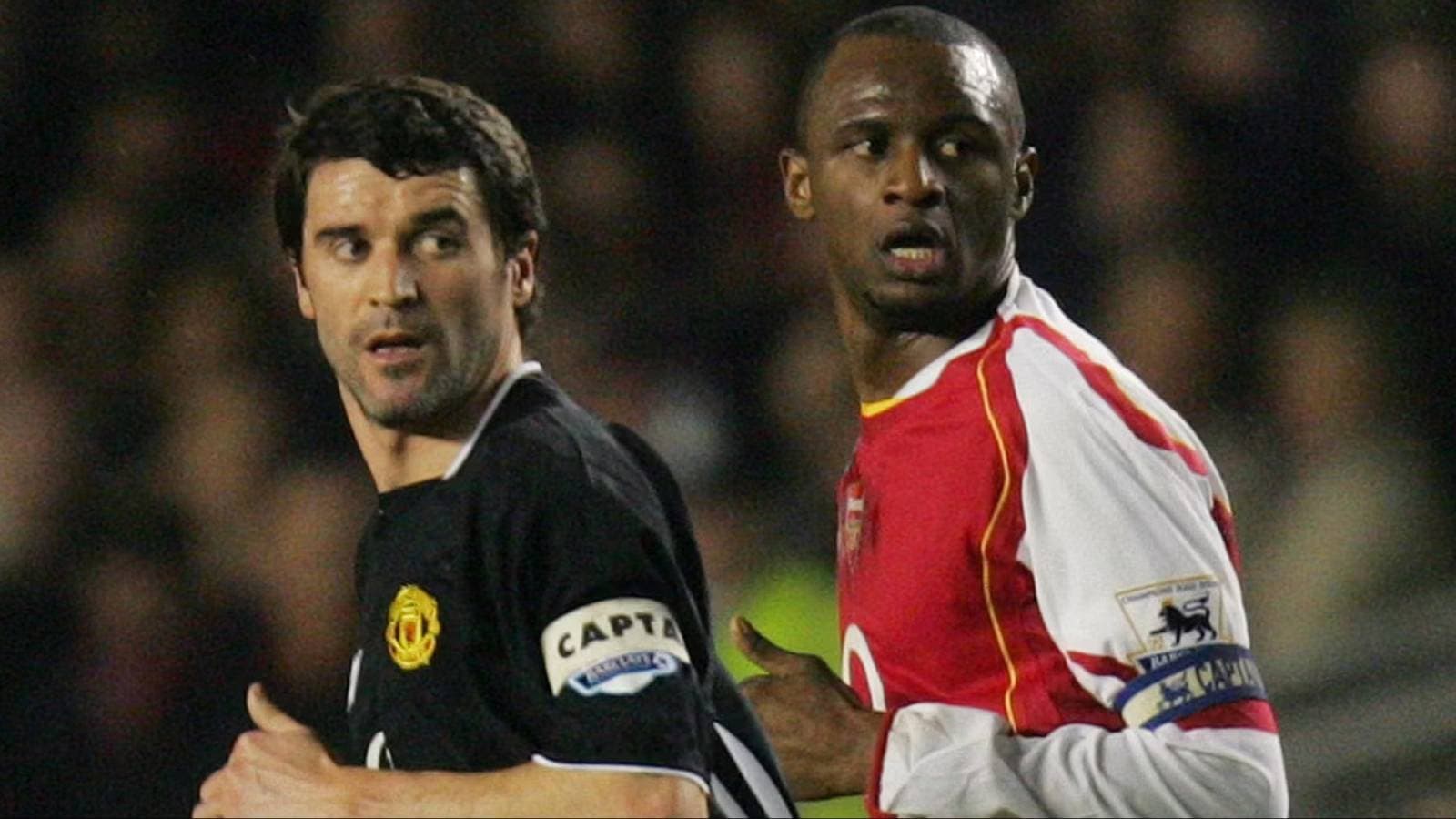
Top captains also regulate the team's emotional state. Football games can be unpredictable, and a team following its captain needs someone who remains calm under pressure. Roy Keane's fierce intensity was channelled to benefit his team, while other captains may adopt a calmer approach. Either way, the goal is to keep eleven individuals working as one unit.
Traits Needed to Be a Captain
Managers choose captains based on different qualities. Alex Ferguson selected Roy Keane for his fiery leadership that energized teammates, whereas Jurgen Klopp preferred the steadier presence of Jordan Henderson or Virgil van Dijk to maintain balance. Both methods led to Premier League titles, showing different paths to success.
- Respect: A captain must earn the trust and belief of their teammates through consistency, professionalism, and prioritizing the team over personal glory.
- Communication: Reading teammates’ moods and knowing when to offer support or issue a challenge distinguishes great leaders from good ones.
- Accountability: Leaders must hold themselves to high standards before expecting the same from others.
Notable Football Captains
- Sergio Ramos: Joining Real Madrid in 2005, he led them to several Champions League victories and La Liga titles, dominating both Spanish and European football.
- John Terry: A defensive rock at Chelsea for ten years, part of Jose Mourinho’s squad that conceded just 15 goals in a season, and the Premier League’s highest-scoring defender with multiple trophies including the Champions League.
- Didier Deschamps: As captain, he guided France to 1998 World Cup glory. Known as the 'water carrier' by Eric Cantona, his selfless role was key to freeing up talented teammates and ultimately lifting the trophy.
The captain’s armband alone does not create a leader. Yet when worn by the right person, it can inspire and transform an entire team.