George Russell's Frustration After Sao Paulo Qualifying
George Russell’s fury crackled through the Sao Paulo rain long before the chequered flag fell.
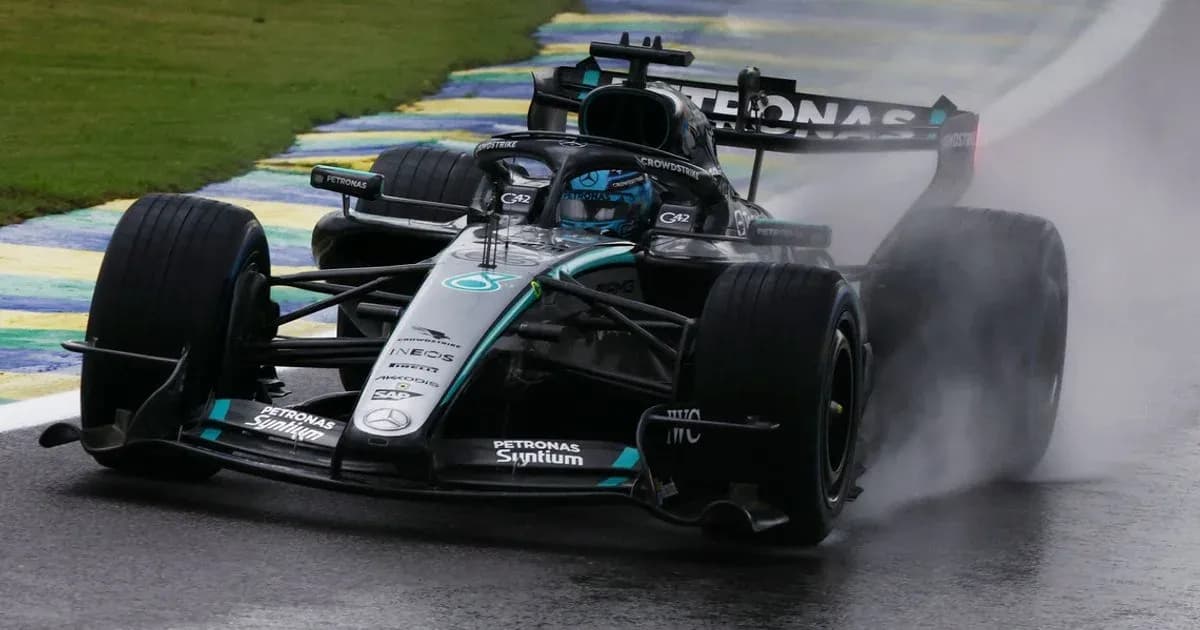
He had just been told to back off. The lap that felt like redemption, the one that might have put him on top of the timesheets despite a five-place grid penalty, was shut down on the Mercedes pit wall. Moments later, the heavens opened over Interlagos and with it went his shot at pole.
“Mate, you told me to back off! What the hell?” he snapped over team radio, realising the opportunity had gone. Second fastest on the timesheets, but only seventh on the grid. “P2. I don't want to be P2. I want to be P1.”
For a driver who started the season as title favourite and now finds himself scrapping for runner-up, this session was about more than a number on a timing screen. It was about feeling like the lead act again.
A lap cut short
Russell came into qualifying carrying a five-place grid drop for an engine change, a weight that would have broken the mood of plenty of drivers. Not him. He attacked Interlagos with the same sharp, precise aggression that brought him his first F1 win here in 2022.
In Q3, on intermediate tyres as the weather lurked on the edge of chaos, he hooked up a lap that even rivals admired. But as he closed on Williams driver Alex Albon, Mercedes called it. Back off. Abort.
The idea was simple: create space, go again, nail it properly on the next lap.
The sky had other plans.
Rain swept in, grip vanished, and with it any realistic hope of beating the pole time set by McLaren’s Lando Norris. Russell rolled back into the pits knowing the stopwatch would never tell the full story of his afternoon.
Team principal Toto Wolff admitted the call sat on a knife-edge.
“I don't think it would have been enough for pole, but he drove perfectly all session and merited to be on pole,” the Austrian said of the aborted lap. “He deserved it but you can't make that call. It's 50% right or wrong.”
On this occasion, it landed on the wrong side for Russell.
‘Definitely the pole lap’
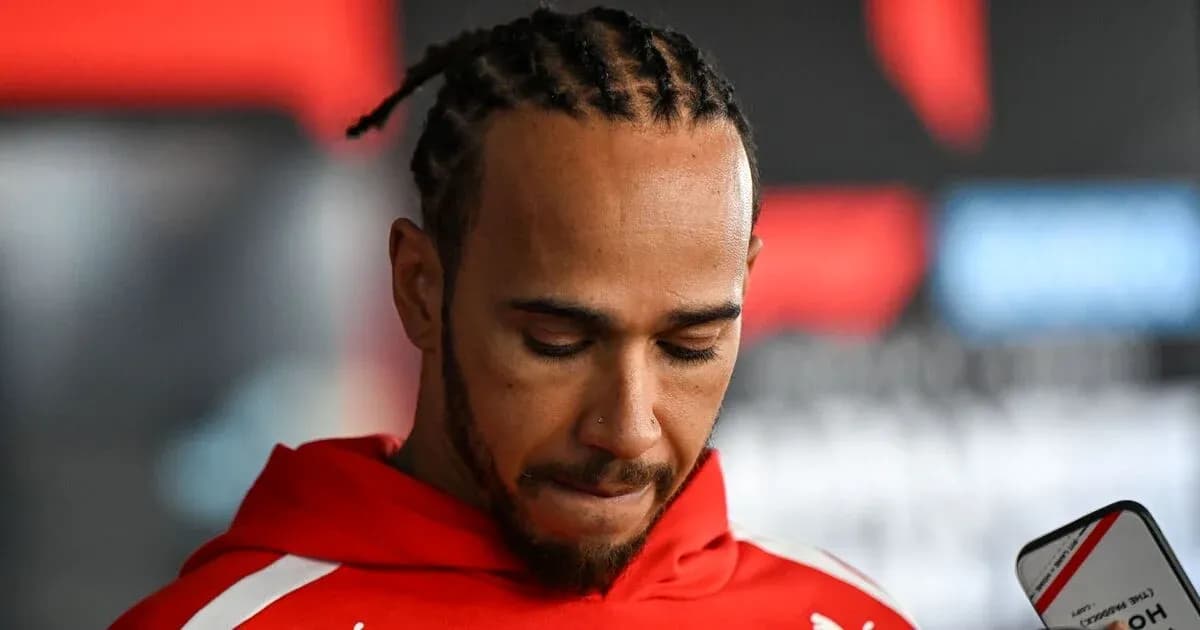
By the time he faced the media, the anger had cooled but the frustration remained.
“That was definitely the pole lap,” the 28-year-old said. “Misjudgement on our side. Need to understand what happened as obviously the rain was coming and we should have just finished the lap.”
His words carried the weight of a season that has veered between promise and regret. While teammate Kimi Antonelli wrapped up the title at the previous race in Mexico City, Russell now sits fourth in the fight for overall runner-up — a far cry from the expectations that followed him into the year.
Yet in Sao Paulo, something important returned: confidence.
“I mean, I felt good out there. It's the first time in a while I've felt confident in the car,” he said. “I felt more confident in the wet than I do in the dry, I don't really understand why that was.
“I felt more like myself... unfortunately when it mattered we didn't execute.”
Execution has become the dividing line of Russell’s campaign. The raw speed is still there, the aggression in wheel-to-wheel combat, the ability to pull out laps when the track is at its most treacherous. But small errors, strategy calls, and fine margins have repeatedly undercut the final result.
Respect from the opposition
The paddock saw what Russell produced in Q3. McLaren team boss Andre Stella, hardly inclined to hand out compliments on a day his own driver took pole, acknowledged the scale of the performance.
He described Russell as “probably the fastest car” in the final phase of qualifying, before breaking down the decisive moment.
“I saw that he was not impeded, but he just found Albon, and he couldn't close his second lap on inters, which I think up until that point was on par with pole position, if not faster,” Stella said.
The verdict from a rival garage only sharpened the sense of what might have been.
Sunday’s storm to come
Seventh on the grid is not where Russell wanted to be, but Interlagos rarely follows a script. The forecast hints at more unsettled weather, the very conditions in which he felt most at home on Saturday.
“It depends on the weather,” he said of his race prospects, a simple line that carries a hint of threat. If the track turns slippery and chaotic again, the man who “felt more like myself” in the wet could yet turn frustration into a charge through the field.
Two years ago, Russell left this place with his first F1 victory and the sense that a new contender had arrived. Now he returns as a driver searching for momentum, angered by the fine margins that keep denying him the spotlight.
If Sao Paulo gives him the storm he wants on Sunday, how long will he stay in the shadows?