Gotham FC's Historic Win at Citi Field: A Turning Point for NWSL
Ten years ago, a National Women’s Soccer League game in a baseball park meant something had gone wrong. It meant a shrunken pitch, temporary lines, and players of the highest calibre squeezed into a stage that screamed second-class. One notorious 2016 match, played on a tiny surface in a minor-league park, was branded “shocking and embarrassing” by the league’s own stars.
On Wednesday night in Queens, the same concept felt like the opposite. It felt like arrival.
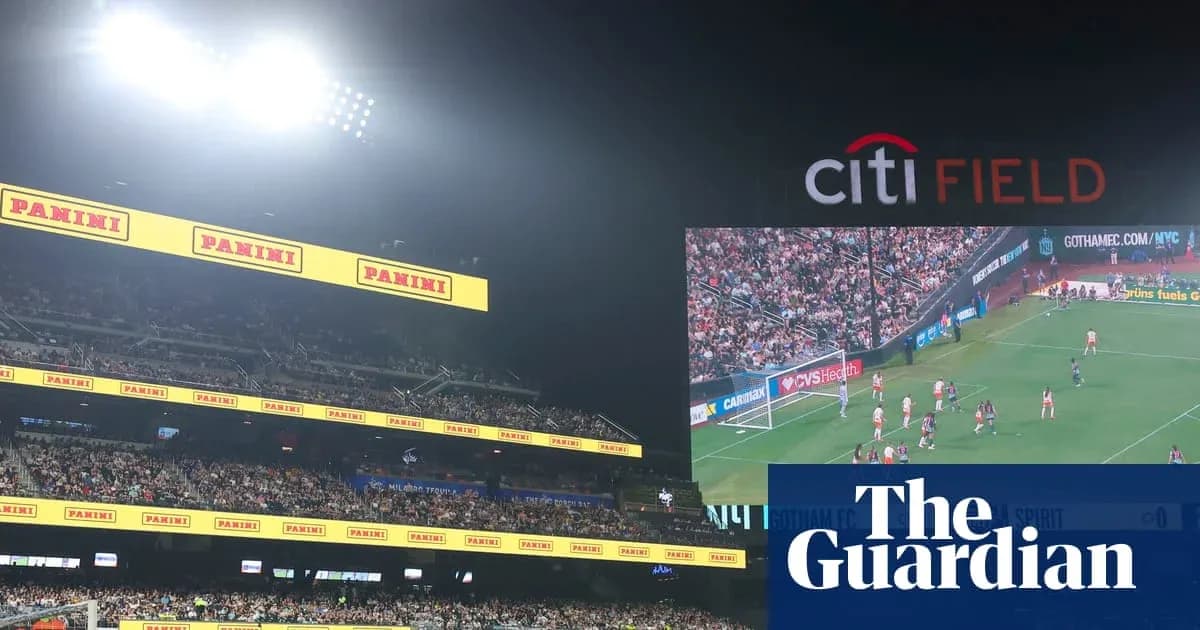
At Citi Field, Gotham FC’s 1-0 win over the Washington Spirit drew 42,175 fans – the second-largest crowd in NWSL history and the biggest for any women’s sporting event in New York City. A baseball stadium again, yes. But now a cathedral rather than a compromise.
A table-setter in the haze
The NWSL had been on pause for a month during the men’s World Cup. The league needed a statement game to restart the season. It got one.
San Diego still sit top of the table, but Gotham’s victory dragged them level on points with both the Spirit and the Portland Thorns. Washington hold second on goal difference. The rivalry already carried weight: these two met in last year’s final and, across the last three seasons, have combined for two championships (both Gotham), two runner-up finishes (both Spirit) and three other trophies. They are the league’s current standard-bearers, and they know it.
This edition of the Queens Classic distilled what the NWSL has become in its 14th season: high stakes, marquee names, big-market ambition – and a lingering edge of controversy.
The night unfolded under a heavy sky. A heatwave pushed the temperature into the high 80s and 90s Fahrenheit, the heat index past 100. Smoke from Canadian wildfires drifted south, shrouding the ballpark in an orange-brown haze as the sun dropped behind the stands. The smell of smoke never quite left.
The league has postponed games for poor air in the past, but it has also taken heat for pressing ahead with showpiece fixtures in punishing conditions. Last year’s Orlando Pride–Kansas City Current match, played in brutal temperatures that sent more than a dozen spectators to hospital, remains a sore point.
This time, the numbers sat in the grey zone. The air quality index hovered above 150 – “unhealthy” by Environmental Protection Agency standards, but below the NWSL’s 180–200 range for possible delay and the 200+ threshold for postponement. The solution: two hydration breaks per half.
Spirit coach Adrián González made no secret of his frustration with the constant pauses, saying the stop-start rhythm strangled the game, even as he accepted the need for them. Trinity Rodman, the Spirit’s star forward, captured the players’ exasperation bluntly: if you need a hydration break every 15 minutes, she argued, maybe the game shouldn’t be played at all. Then came the other side of the calculation: 40,000 people in the stands, a national broadcast, an event the league has spent years trying to create.
It was a hard night to ignore the trade-offs.
Lavelle’s moment, ESPN’s miss
On the pitch, the decisive moment came from a familiar source.
In the 37th minute, Rose Lavelle, the midfielder who scored the winner in last year’s final, bent a gorgeous curler into the net for the only goal of the night. It was a finish worthy of the stage, a flash of class in a match that never quite found its full tempo in the heat.
Ironically, the biggest play of the night arrived just as the broadcast looked away. The game aired in prime time on ESPN, but Lavelle’s strike landed while the screen was split for an interview. Viewers were left watching the broadcaster and sideline reporter scramble over each other’s words as they tried to catch up with the action they had just obscured.
The crowd inside Citi Field needed no such explanation. The roar told its own story.
Rodman, wearing the No 2 that dotted the stands in pockets of Spirit support, buzzed throughout. She took five shots, drove at defenders, and still left without a goal. On another night, with cleaner air and a more fluid game, she might have changed the script.
Kerr returns to a different Gotham
If Lavelle delivered the night’s key moment, Sam Kerr delivered its loudest.
The Australian striker, back in the NWSL after six-and-a-half years at Chelsea, stepped onto the pitch in the 63rd minute to a wall of noise. These were her first minutes for Gotham since rejoining the club she once lit up when it played under the Sky Blue name.
Back then, she scored at will while the club lurched through off-field turmoil, poor facilities and tiny crowds that struggled to clear 3,000. Those goals helped make her the NWSL’s all-time leading scorer, but the environment rarely matched her talent.
The contrast on Wednesday was stark. Gotham are now defending champions, playing in front of more than 40,000 fans at a major league venue. The club’s transformation runs deeper than a new crest and better results. The horror stories that followed Sky Blue in 2018 – training grounds without running water, bare-bones resources – feel like they belong to a different organization.
The recruitment tells its own story. Kerr is part of a recent influx that also includes Ireland captain Denise O’Sullivan and Norwegian midfielder Guro Reiten. Lavelle admitted she feels “spoiled” by the calibre of teammates now walking through the door.
The club’s future home underlines the shift. Gotham have announced a move into New York City proper in 2028, relocating to the planned Etihad Park just around the corner. This Citi Field showcase was a taste of that future.
The buildup matched the ambition: subway ads, targeted promotions, and a $15 ticket initiative spearheaded by Mayor Zohran Mamdani. The strategy worked. Gotham say 70% of ticket buyers were new fans.
“It was really special just to see how many people were there that that was their first Gotham game,” midfielder Jaedyn Shaw said. For a club once begging for attention, that number may be the most important of the night.
From cautionary tale to proof of concept
It felt fitting that Washington were the visitors. Like Gotham, the Spirit have rebuilt from the bottom up, embracing investment and ambition in a league structure that does not always reward either.
At half-time, commissioner Jessica Berman called the occasion a “full-circle moment”. A decade on from the tiny-field debacle, the NWSL is smashing records for attendance, TV viewership and expansion fees. Berman’s line – if you build it, they will come – has become the league’s rallying cry, and nights like this are the evidence.
The pitch at Citi Field was not perfect. Players from both sides acknowledged it was playable but hardly pretty. Lavelle’s verdict – “That’s showbiz, baby” – captured the mood: a shrug, a smile, and a recognition that marquee venues come with compromises.
What mattered more was the scale. The crowd at Citi Field more than doubled Gotham’s total attendance across all 12 home games of their debut season in 2013. Back then, the idea of 42,000 people watching this club, in this city, felt almost absurd.
Now it feels like a starting point.
The NWSL’s rapid growth has come with frayed edges: awkward broadcasts, difficult scheduling calls, environmental concerns that won’t go away. Yet the league’s core tension – between how far it has come and how far it still has to go – is precisely what gives nights like this their charge.
Veteran Spirit midfielder Andi Sullivan put it simply. Standing in the middle of a baseball stadium packed for women’s football, she reflected on the scale of it all: this is the job now. This is what the dream looked like, or maybe what it never quite dared to look like along the way.
The question is no longer whether the crowds will come. It’s what the league does next with a stage this big, and with players who are no longer willing to accept anything less.