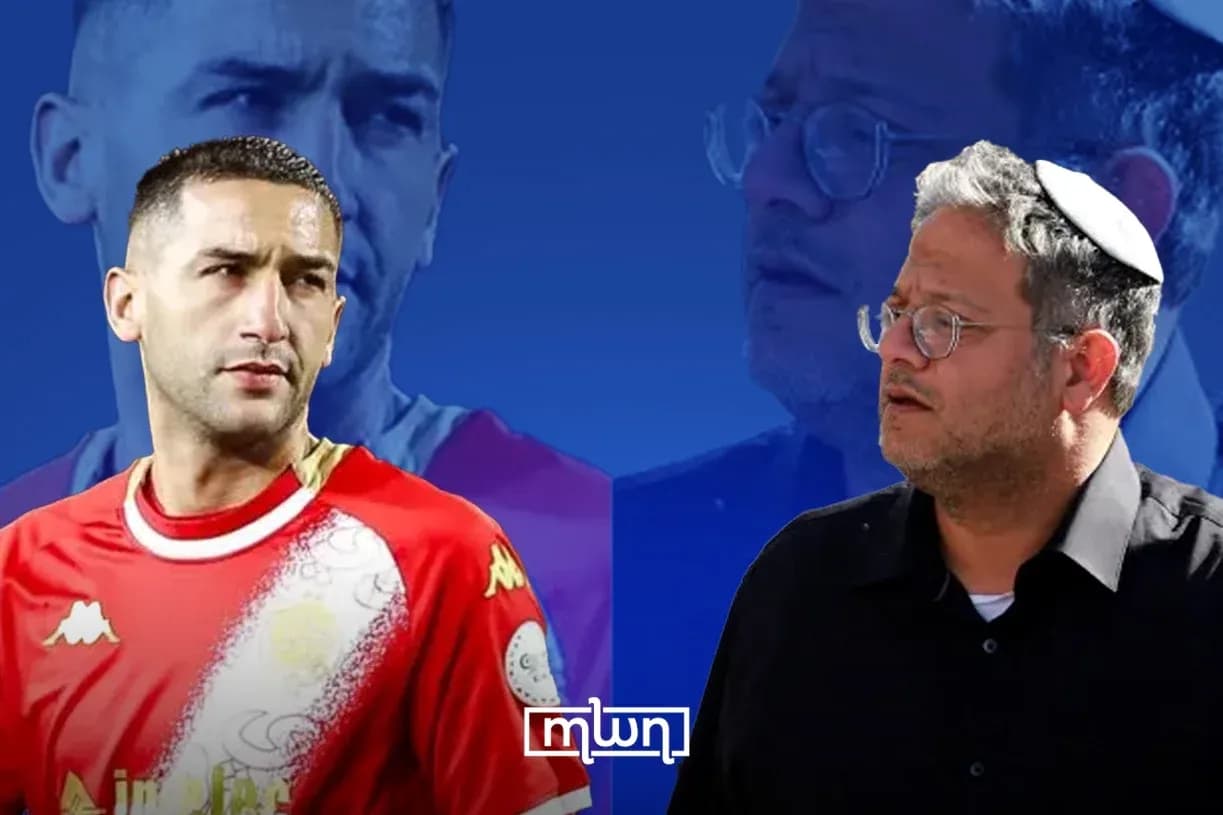
Hakim Ziyech Challenges Israel's Death Penalty Law for Palestinians
Hakim Ziyech has spent a career threading passes through tight spaces. This week, his words did the same — only this time they cut straight into one of the most volatile political flashpoints in the world.
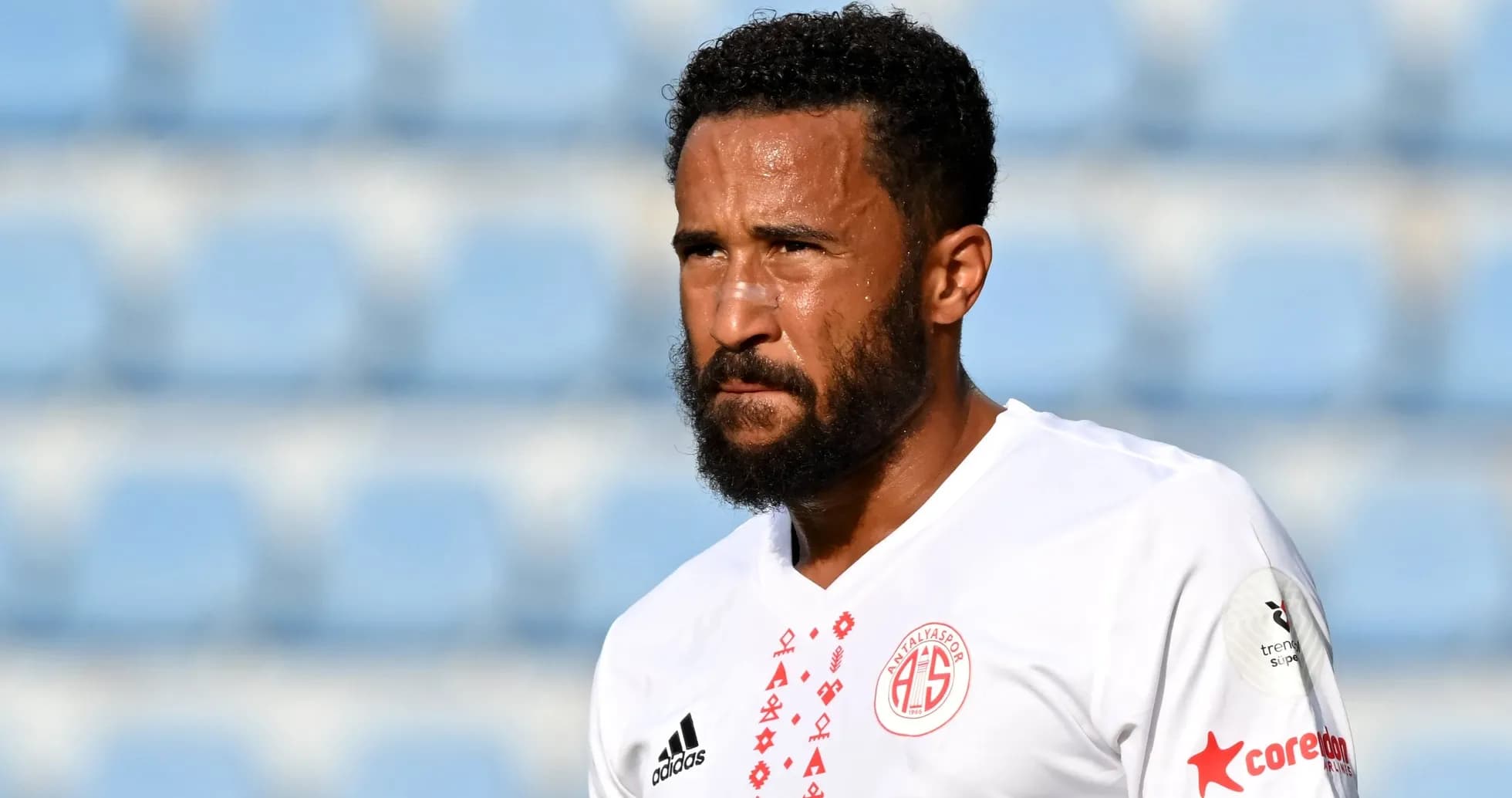
The Moroccan international, now with Wydad after high‑profile spells at Ajax, Chelsea, Galatasaray, and Al‑Duhail, ignited a storm when he challenged Israel’s newly approved death penalty law for Palestinian prisoners. His reaction, posted to millions of followers on Instagram, drew a fierce and personal response from Israel’s National Security Minister Itamar Ben‑Gvir, dragging a footballer’s social stance into the heart of a geopolitical confrontation.
A social post that hit a nerve
The trigger was a single Instagram story. Ziyech shared an image of Ben‑Gvir celebrating in the Knesset after lawmakers passed the controversial bill on March 30, setting death by hanging as the default sentence for Palestinians convicted in military courts. Alongside the image, the 32‑year‑old questioned whether the move would once again be justified as “self-defense.”
In a region where language is weaponised and every word is parsed, the message landed with force.
Ben‑Gvir fired back. He branded Ziyech “antisemitic” and dismissed any criticism of the law, before escalating his rhetoric further. In comments reported by Israeli and regional media, he warned that “Ziyech and all other antisemites will not escape.”
The exchange did not read like a distant politician responding to a detached celebrity. It felt personal, targeted, and designed to send a message far beyond one player’s Instagram feed.
A law under global scrutiny
Inside Israel’s parliament, the numbers told their own story: 62 votes in favour, 48 against. The margin was clear; the implications are anything but.
The law, which applies to Palestinians tried in military courts, has drawn sharp criticism from human rights groups and international bodies. The UN human rights office has warned that the measure is discriminatory and undermines due process, highlighting fears that it entrenches a separate and harsher legal regime for Palestinians.
For many observers, Ziyech’s post tapped directly into that concern. He did not publish a long essay or a manifesto. He simply questioned the framing — the repeated invocation of “self-defense” as a catch‑all justification.
That was enough to trigger a cabinet minister’s public fury.
A player who hasn’t stayed silent
This is not a sudden awakening or a one‑off outburst from a player chasing headlines. Ziyech’s position on Palestine has been clear, consistent, and unflinching for months.
Since Israel launched its devastating campaign on Gaza on October 7, 2023, the winger has used his social media channels to highlight what he describes as massacres carried out by Israeli Occupation Forces against Palestinians. He has not limited himself to vague calls for peace or neutral appeals for calm. His posts have taken sides, named actions, and challenged narratives.
In October 2023, he published one of his earliest messages of support for Palestine, pairing it with a quote on oppression and the power of media narratives. The implication was obvious: what people see — and what they are allowed to see — shapes who is cast as victim and who as aggressor.
Months later, as new footage from the occupied West Bank circulated online, Ziyech spoke up again. He condemned Israel’s actions and urged people not to look away, calling for continued public pressure. He also turned his fire on governments that, in his view, had enabled the situation through policy, silence, or both.
For a player often described as introverted and reserved in club environments, his public stance on Palestine has been anything but cautious.
Ben‑Gvir’s own record under the spotlight
The clash has also thrown fresh light on Ben‑Gvir himself. His comments about Ziyech have not landed in a vacuum.
The minister carries a long and controversial record. He has a past conviction for incitement against Arabs and has been linked to an extremist movement that was banned in Israel. Those details, well‑known to regional observers, sharpen the context around his decision to single out a Muslim footballer with a global platform and accuse him of antisemitism.
So when Ben‑Gvir warns that “Ziyech and all other antisemites will not escape,” critics hear more than a political rebuttal. They hear a pattern.
Beyond the touchline
Footballers have long tried to draw a line between their professional lives and the world’s conflicts. That line is fading fast.
Ziyech’s name now sits in headlines not for a curling left‑foot strike or a defence‑splitting pass, but for a confrontation with one of Israel’s most hardline ministers over a law that could send Palestinians to the gallows.
He has chosen his side in public, knowing the backlash that follows any high‑profile figure who speaks on Palestine. Ben‑Gvir has chosen to answer him directly, with language that will only deepen the divide.
The ball, for once, is nowhere near the pitch.