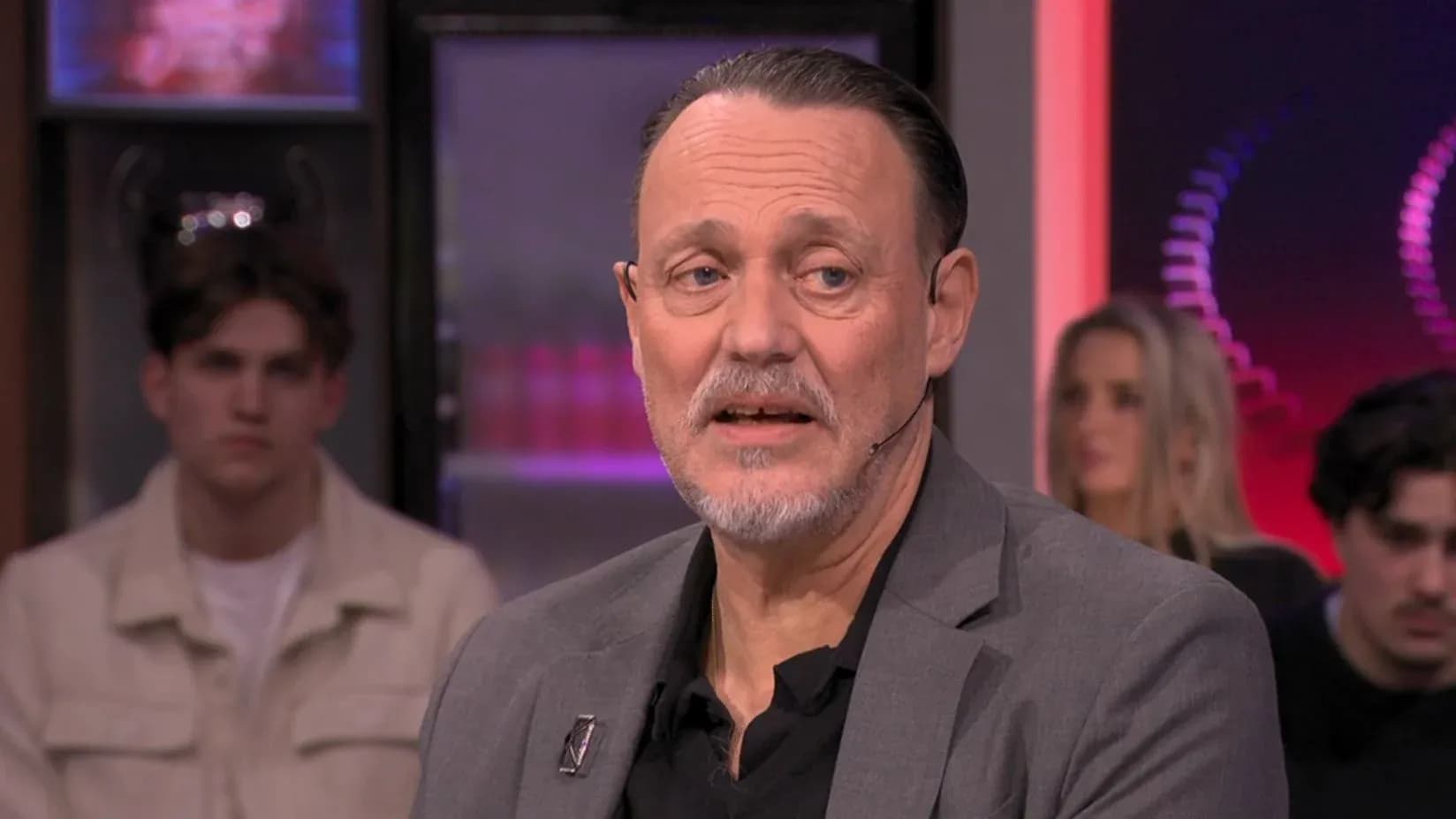
Hugo Borst Advocates for Bryan Linssen in Dutch National Team
Ronald Koeman’s inbox is probably full of names, numbers and scouting reports. Hugo Borst wants to add one more. Not a hotshot from the Champions League, not a wonderkid from a European superpower, but a 35-year-old forward who is dragging NEC into territory nobody expected.
Bryan Linssen.
In his column for Algemeen Dagblad, Borst doesn’t whisper the suggestion. He plants a flag: call him up for the Dutch national team.
NEC are third in the VriendenLoterij Eredivisie, a position that still makes you look twice at the table. Linssen sits at the heart of that surprise. At an age when many forwards are winding down, he is, as Borst puts it, “getting better and better.” The form is not a nostalgic late flourish; it is driving a genuine push near the top of the league.
Borst knows the obvious counterargument. Linssen never made the leap to the European elite. His time at Feyenoord didn’t turn him into a household name beyond Dutch borders. That doesn’t bother him. The columnist insists that the national team should be looking at what a player brings now, not what badge he wore yesterday.
“Linssen isn’t in a league of his own,” Borst admits, but the numbers back him. He scores. He runs in behind. He offers depth in attack – something Borst calls “rare in the Oranje.” In a national side that can sometimes look static and predictable, he sees Linssen as a forward who stretches games and unsettles defences.
The argument isn’t just about goals. Borst leans heavily on the forward’s intensity and attitude. Linssen presses, harasses, keeps going. “He also has an extremely strong work ethic,” Borst writes, sketching a picture of a forward who never stops. Always fit. Always chasing. A nuisance for defenders, a constant worry for goalkeepers.
Physically, Borst paints him like a sprinter trapped in a footballer’s body. “Linssen doesn’t have an ounce of fat on him, but is a mass of muscle.” It’s an image designed to cut through the usual talk of systems and schemes: this is a player built to compete, right now.
Then comes the comparison that will raise eyebrows: Wout Weghorst.
Borst doesn’t tiptoe around it. He calls Linssen the better striker “in every respect.” That’s a bold claim about a forward who has been a regular presence in recent Oranje squads and has delivered big goals at major tournaments. But Borst goes beyond the pitch. He highlights Linssen’s character: “He’s amiable, cheerful and sociable. Pretty much everything Weghorst lacks.”
The jab is sharp, but it has a purpose. Borst is arguing that Linssen doesn’t just bring goals and running; he brings a different energy to a dressing room. A likeable veteran, not a divisive figure.
On the pitch, he keeps pushing the comparison. Linssen, he says, is the better header of the two. He “reaches higher than Weghorst,” even though Borst stresses that Weghorst “is not half bad” in that department. It’s not a dismissal of the current Oranje striker, but a pointed reminder: if Koeman wants a physical, aerial threat up front, there is another option playing his heart out in Nijmegen.
The column ends with a nudge rather than a plea. “If we’re going to be sociable, Koeman: do give Bryan Linssen a thought.” It’s half joke, half challenge.
The question now hangs over the national coach: will he reward late bloomers and domestic form, or stick to the familiar faces who already know the anthem from the pitch, not the sofa?