Inter Dominates Fiorentina 2-1 at San Siro
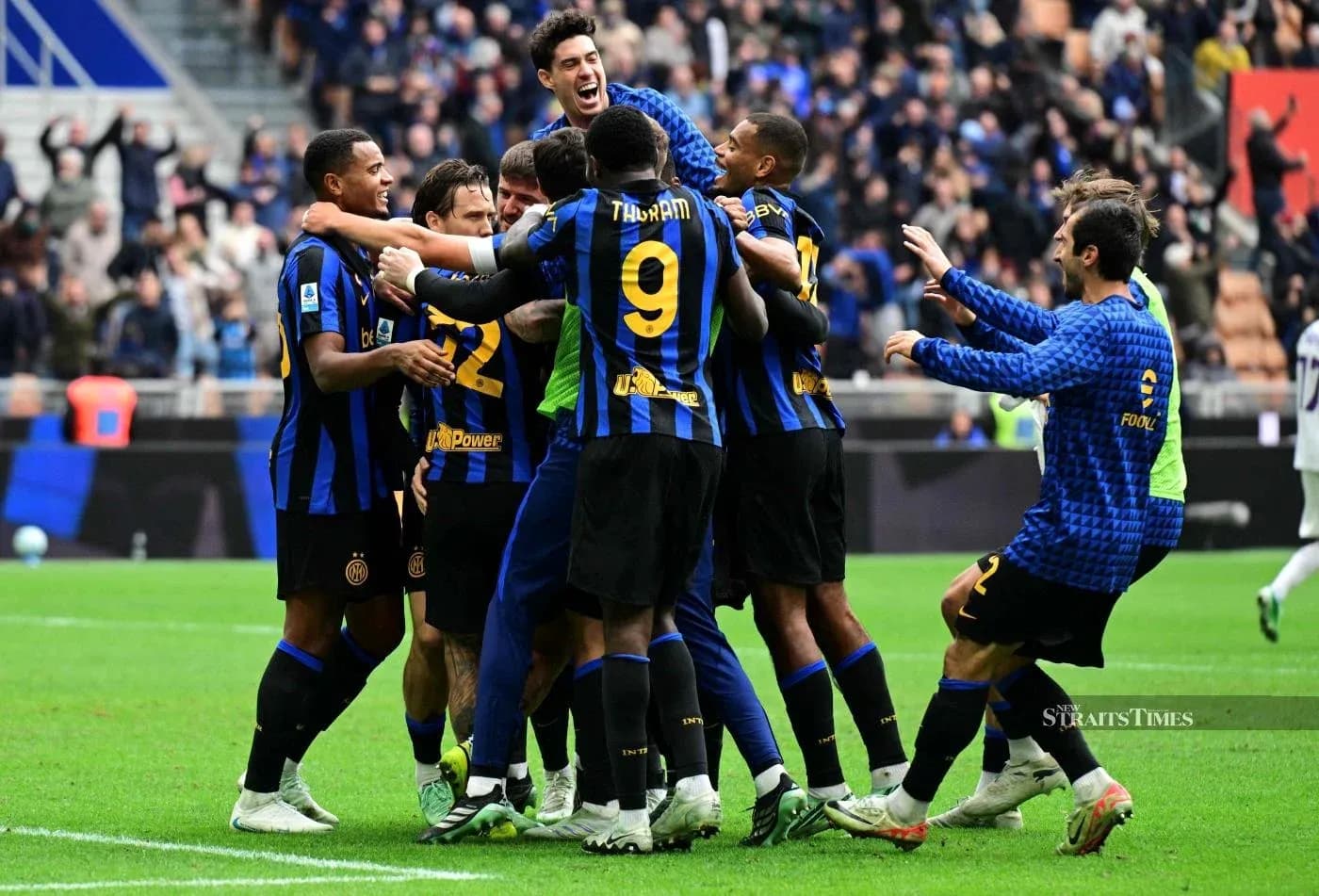
The afternoon at San Siro/Giuseppe Meazza ends with the scoreboard reading Inter 2–1 Fiorentina, a result that feels entirely in tune with the season’s trajectories laid out before kick-off. In Serie A’s Regular Season - 8, the league leaders at home against a relegation-threatened side always hinted at a familiar script; what unfolded was a confirmation of Inter’s structural superiority and Fiorentina’s fragile, if occasionally vibrant, resistance.
Heading into this game, Inter sat 1st with 22 points from 8 matches, unbeaten with 7 wins and 1 draw. Overall they had scored 23 and conceded 10, a goal difference of +13, underpinned by ruthless form at home: 5 wins from 5, 17 goals for and 7 against. Cristian Chivu’s side has been a machine at San Siro, averaging 3.4 goals at home and 1.4 conceded, failing to score in none of their league fixtures. Fiorentina arrived as the opposite pole of the table: 18th with 4 points, 1 win, 1 draw and 6 defeats from 8 games. Overall they had scored 9 and conceded 19, a goal difference of -10, with their only bright spot coming on their travels, where they had 1 win and 3 defeats, 6 goals for and 10 against.
The lineups reflected those realities but also the absences that quietly shaped the contest. Inter were without several key names: L. Martinez, C. Jones, Luis Henrique and B. Pavard all listed as missing with thigh injuries, while J. Stones was also out through injury. That is a substantial chunk of experience and quality removed from Chivu’s options, particularly in central defence and attack. Yet the depth of this squad meant the XI still looked imposing in a familiar 3-5-2: I. Provedel behind a back three of Y. Bisseck, M. Akanji and A. Bastoni; a midfield five of A. Diouf, N. Barella, H. Calhanoglu, H. Mkhitaryan and Carlos Augusto; and a front two of F. Esposito alongside the league’s fifth-ranked scorer, M. Thuram.
Fiorentina’s absences hurt in a different way. A. Atta, F. Parisi, L. Ranieri and R. Sottil were all missing, stripping Paolo Vanoli of defensive depth and wide attacking variation. He still committed to a 4-3-3: D. de Gea in goal; a back four of A. Jimenez, R. Dragusin, M. Pongracic and V. Valdepenas; a midfield trio of C. Ndour, N. Fagioli and M. Brescianini; and a front line featuring the league’s standout young creator Franco Mastantuono, flanked by M. Pellegrino and A. Njie.
Tactical Overview
Tactically, Inter’s shape was the story. The 3-5-2 they have used in 7 of their 8 league matches this season again provided the platform for domination. With Calhanoglu orchestrating from the middle and Barella and Mkhitaryan shuttling either side, Inter could create constant overloads against Fiorentina’s three-man midfield. Diouf and Carlos Augusto stretched the pitch horizontally, pinning Fiorentina’s full-backs and preventing them from stepping out to press.
The absences of Pavard and Stones might have suggested vulnerability in the back line, but Bisseck, Akanji and Bastoni formed a calm, progressive trio. With Fiorentina averaging 2.4 goals conceded overall and 2.5 on their travels, the visitors’ back four was always likely to be under siege. De Gea’s presence offered experience, yet the numbers were stacked against him: Inter had scored in every league match this season and carried an overall attacking average of 2.9 goals per game.
Key Player Matchup
In the “Hunter vs Shield” duel, M. Thuram embodied Inter’s cutting edge. Heading into the fixture he had 5 goals and 2 assists in Serie A, from 24 shots (11 on target) and with a strong 7.71 average rating. His mix of physical presence and intelligent movement was a constant problem for Dragusin and Pongracic. Fiorentina’s “shield” was already statistically porous, with 19 goals conceded overall and no clean sheets; trying to hold Thuram, plus the late-arriving runs of Barella and the crossing threat of Carlos Augusto, was always a tall order.
On the other side, Fiorentina’s “hunter” was Mastantuono. The 18-year-old had 3 goals from midfield, 21 shots (9 on target), and an impressive 7.13 rating. His 14 key passes and 36 dribble attempts (16 successful) told the story of a player willing to carry the fight on his own shoulders. Against Inter’s midfield block, though, he ran into a wall of tactical discipline. Barella’s work rate, Diouf’s physicality and Calhanoglu’s positioning restricted the spaces Mastantuono loves to invade between the lines.
Midfield Dynamics
The “engine room” battle was perhaps the clearest illustration of the gap between the sides. Inter’s midfield is stacked with players who feature prominently in the league’s creative charts: Diouf, the top assist provider in Serie A with 4 assists and 16 key passes; Barella with 2 assists and 18 key passes; Carlos Augusto and P. Zielinski (on the bench) both with 2 assists as well. The chemistry between Diouf and Barella, in particular, gives Inter a dual axis of progression: Diouf’s 91% pass accuracy and ability to break lines from deeper zones, and Barella’s constant vertical runs and 11 successful dribbles from 11 attempts. Fiorentina’s trio of Ndour, Fagioli and Brescianini worked tirelessly, but with their side averaging only 1.1 goals scored overall and 2.4 conceded, they were always firefighting more than constructing.
Disciplinary Trends
Disciplinary trends also framed the risk profile of the match. Inter’s yellow cards this season are relatively evenly spread, with a slight peak between 46-60 minutes at 36.36%, reflecting a team that often tightens its grip right after half-time rather than losing control. Fiorentina, by contrast, see 29.41% of their yellows between 61-75 minutes and another 11.76% from 91-105, a sign of a side that often ends matches chasing and overstretching. At San Siro, that pattern re-emerged: as Inter’s pressure mounted in the second half, Fiorentina’s defensive line was forced deeper and their challenges grew more desperate.
Statistical Outlook
From a statistical prognosis perspective, the final 2–1 scoreline feels almost conservative for Inter. At home they average 3.4 goals for and 1.4 against; Fiorentina on their travels average 1.5 scored and 2.5 conceded. The blended profile pointed towards a multi-goal home performance and at least one conceded, and that is exactly how the narrative played out. Inter’s penalty record this season remained spotless, with 2 taken and 2 scored overall and no misses, underlining their clinical edge in high-leverage moments. Fiorentina, with no penalties awarded or missed, lacked that potential shortcut back into the game.
Following this result, the macro-story remains unchanged but more deeply etched. Inter look every inch a champions-elect side: unbeaten, structurally coherent, and able to absorb significant absences without losing identity. Fiorentina, for all the promise of Mastantuono and the occasional flashes from their front three, are still a team whose defensive numbers and disciplinary profile scream relegation danger. At San Siro, the league leaders did not just take three points; they offered a 90-minute illustration of why the table looks the way it does.