Inter Milan's Sharp Transitions Secure 2-0 Win Over Como
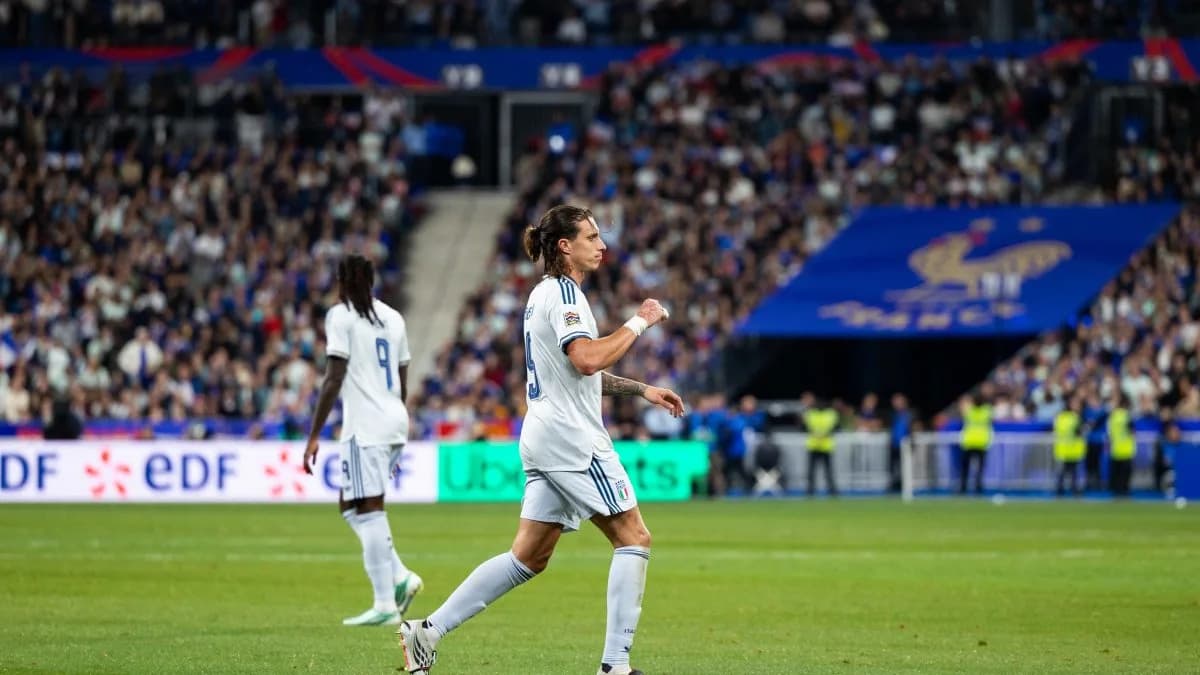
At the San Siro, Inter Milan showcased a clinical approach to claim a 2-0 victory over Como, despite holding only 43% possession. Their game plan was clear from the start: let Como keep the ball but punish any gaps with quick, precise counter-attacks. The first 20 minutes set the tone as Inter exploited Como's high defensive line, highlighting the tactical contrast between Inter's efficient structure and Como's ambitious possession style.
Inter's Approach
Deploying a classic 3-5-2 formation, Inter relied heavily on bypassing midfield congestion by sending direct passes from defenders Manuel Akanji and Alessandro Bastoni straight to their forwards. The pressing kicked in mainly when Como’s full-backs, Valle or Couto, received the ball facing their own goal; wing-backs Federico Dimarco and Djed Spence would then aggressively close them down.
Defensively, Inter shifted into a deep 5-3-2 shape that kept their lines compact, forcing Como to recycle possession laterally without creating real threats. This setup became the launchpad for swift counters. Both goals came from these rapid transitions: Pio Esposito finished inside the box at the 12th minute, and Marcus Thuram doubled the lead seven minutes later by exploiting the defensive gaps during Como’s transition. Although they had less possession, Inter created three significant chances, while Como failed to produce any clear-cut opportunities.
Como's Strategy
Como lined up in a 4-2-3-1 system focusing on ball control and positional rotations. The double pivot of Perrone and Milla aimed to pull Inter's midfield out of place and open spaces for Nico Paz, who drifted between the lines and took three shots during the match.
Despite holding 57% possession and completing 595 passes with 91% accuracy, Como struggled to break down Inter’s defense. Jacobo Ramón was pivotal in their build-up, completing 82 accurate passes. However, Inter's tight central defense forced Como into speculative crosses or long-range efforts from Paz. Their energetic pressing lacked the final-third bite needed to unsettle Inter’s backline, leaving goalkeeper Robert Sánchez exposed when Inter bypassed the press with vertical balls.
The Tactical Battle
The key clash unfolded in transitions. Como wanted a measured, slow rhythm to dismantle Inter’s defense, while Inter aimed for chaos and speed to exploit Como’s high defensive line. Inter’s forwards, Thuram and Esposito, remained narrow, pinning Como’s center-backs and preventing them from advancing to support attacks. This left Como vulnerable every time possession was lost, often matching or being outnumbered defensively.
Inter’s efficiency shone through with an expected goals (xG) of 1.86, despite fewer shots than Como, proving they created better-quality chances. The quality of their attacking moments far outweighed Como’s volume of possession.
Adjustments During the Game
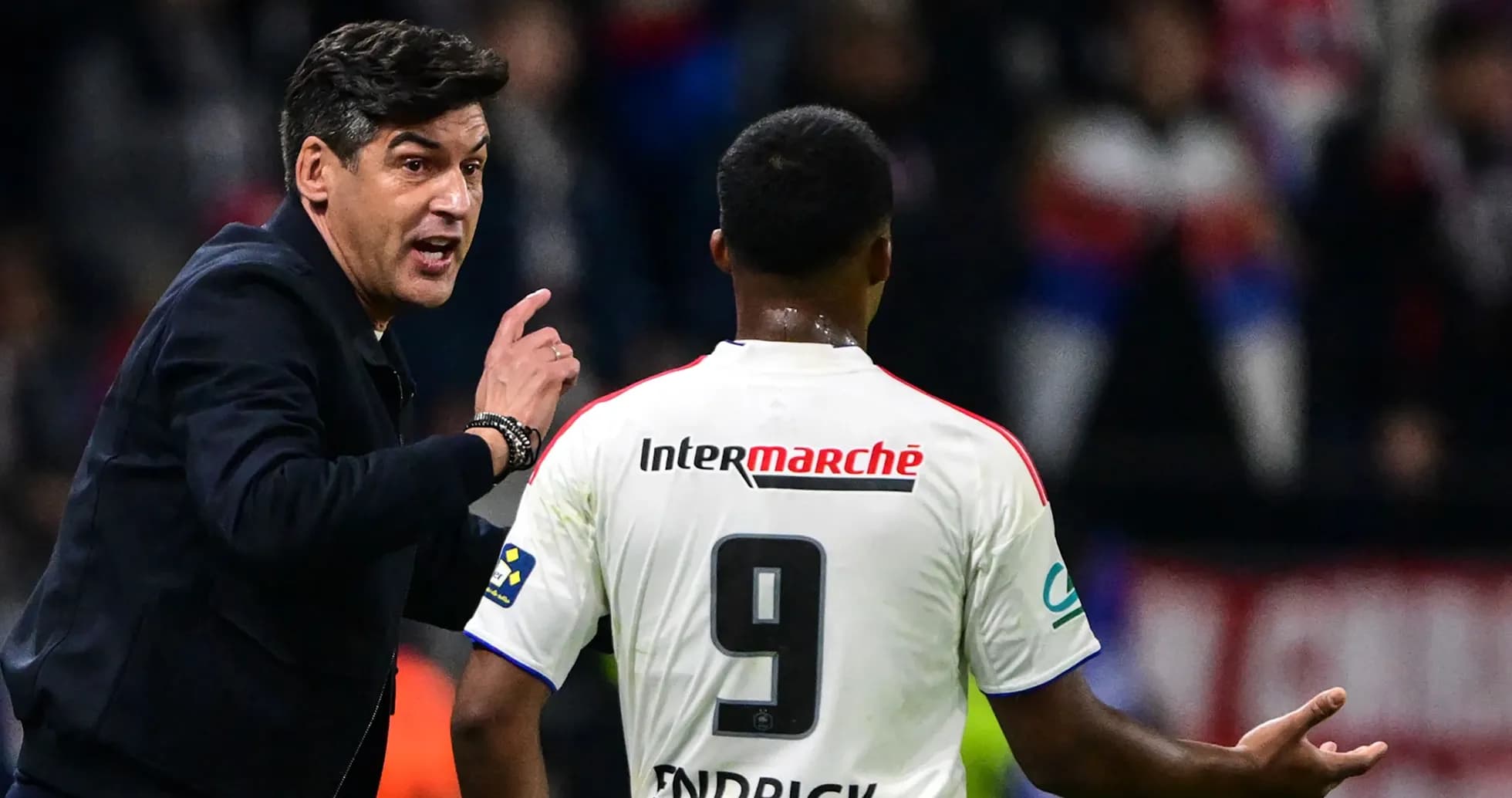
Como’s coach Cesc Fabregas made changes at halftime by bringing on Samuele Ricci and Ivan Smolcic, hoping to improve defensive stability and disrupt Inter’s passing lanes. These tweaks helped Como maintain pressure later but were too late to reverse the damage done early on.
Inter’s Cristian Chivu responded with pragmatic substitutions, introducing veteran Henrikh Mkhitaryan to calm the midfield in the 72nd minute and Benjamin Pavard in the 88th to reinforce the defense. The latter switch transitioned Inter into a 5-4-1 shell, shutting down any late aerial threats from Como and limiting them to long-range attempts that rarely troubled goalkeeper Josep Martínez.
Summary
The match boiled down to Inter’s superior grasp of timing and space. Though Como controlled possession beautifully, Inter’s strategy of absorbing pressure and striking swiftly proved decisive. Their clinical finishing and disciplined defensive block rendered Como’s 595 passes ineffective. Inter did not need the ball to win; they needed the right moments.