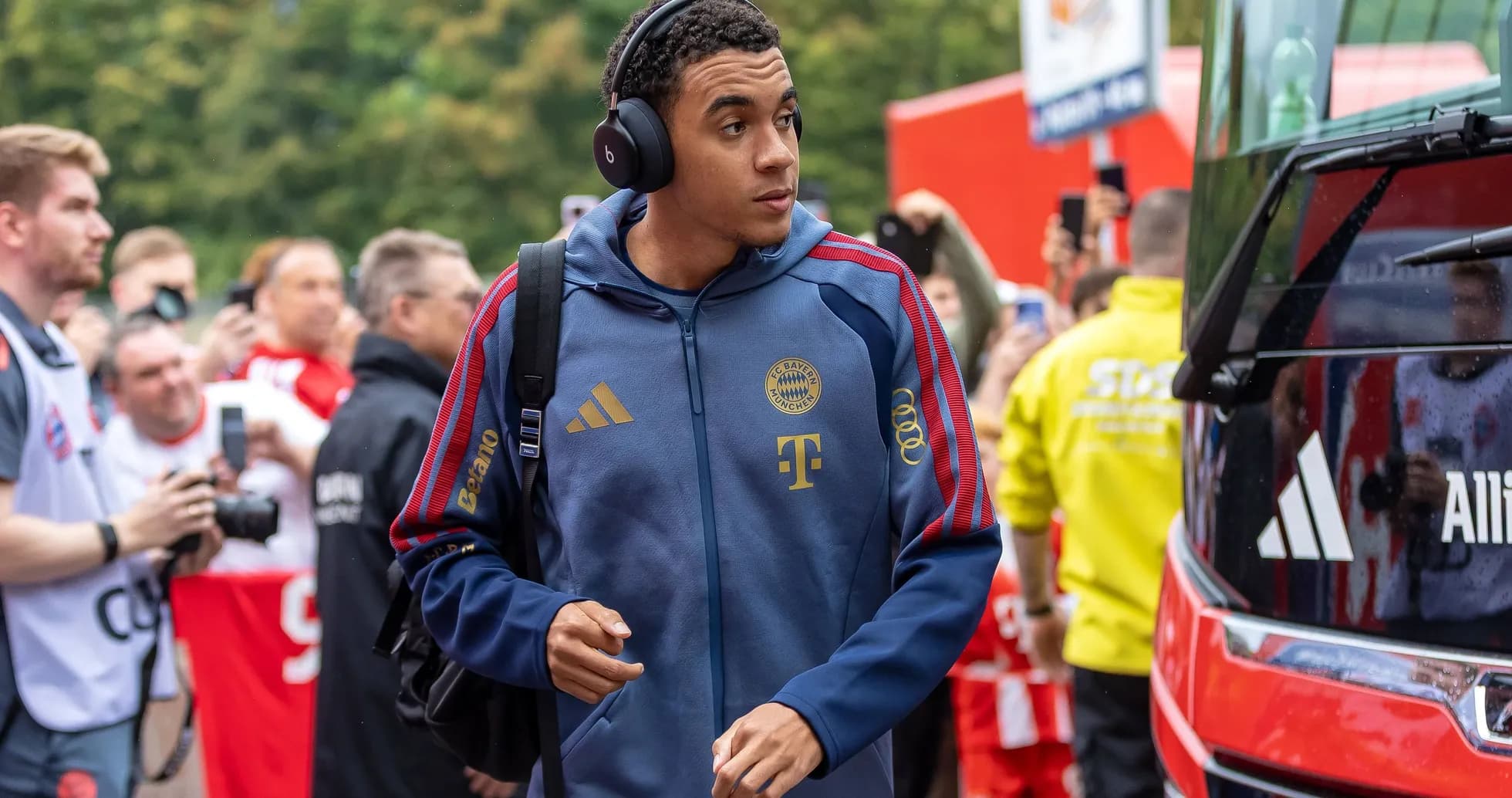
Jamal Musiala's Health Update: Neurological Episodes Explained
Jamal Musiala has moved to reassure Bayern Munich and Germany fans after collapsing on the pitch for the second time in four days, revealing he has been diagnosed with brief but treatable neurological episodes.
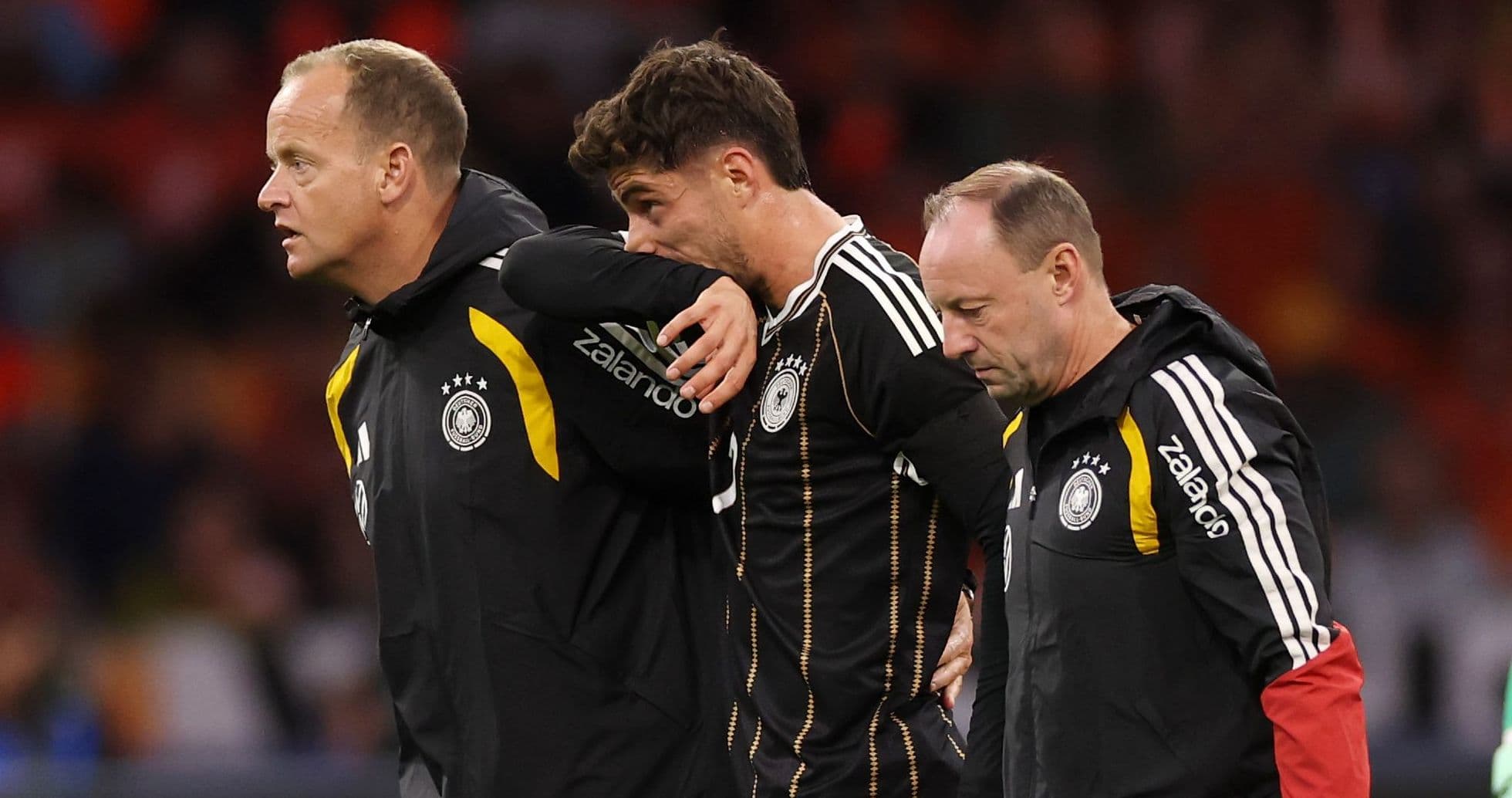
The 23-year-old went down during Bayern’s 4-2 friendly win over Heidenheim earlier this week, just six minutes after coming on as a substitute. It was a chilling repeat of the incident against RB Leipzig in the Telekom Cup, when he also suffered a sudden blackout.
On both occasions, medical staff rushed on, helped him from the field and sent him straight for tests. The images of Musiala dazed and unsteady spread quickly, sparking immediate concern over one of European football’s most gifted midfielders.
Musiala explains diagnosis
Posting on Instagram after the Heidenheim match, Musiala revealed that doctors have identified the cause of his collapses as “brief, temporary but easily treatable episodes of absence, which are caused by a neurological dysfunction.”
He accepted the seriousness of the situation but struck a determined tone, stressing that he remains “optimistic” about both his treatment and his ability to continue competing at the highest level.
The message cut through the anxiety that had built up among supporters. A potential career-threatening condition suddenly sounded controllable, even if the sight of him twice losing consciousness in less than a week will not be forgotten quickly.
Bayern play down long-term fears
German press agency DPA contacted Bayern, and club sources backed up Musiala’s message. From within Säbener Straße, the line is clear: there is no indication that his career is in danger.
Officials stressed that his participation in the last two matches had been “completely unproblematic” from a medical standpoint and followed detailed discussions with specialists. Every decision around his involvement, they insist, has been taken with full expert input.
What Bayern have not done is set a date for his return to competitive fixtures. There is no official prognosis yet on when he will be cleared again, only a promise that the club will proceed carefully and monitor his response to treatment.
What are absence seizures?
Musiala’s description points to absence seizures, historically known as “petit mal”, a form of epilepsy. They are typically split into typical and atypical types.
In many typical cases, a person suddenly stops what they are doing and appears to “switch off” for 10 to 20 seconds. They might stare blankly, sometimes with a brief upward flutter of the eyes, before snapping back and carrying on as if nothing happened.
According to the Epilepsy Foundation, these episodes are triggered by “brief abnormal electrical activity in a person’s brain”. They can develop in adults and remain undiagnosed for long periods, precisely because the spells are so short and easy to miss.
Some people can experience “hundreds of brief absence seizures a day”. Yet the condition is generally considered manageable with targeted medical treatment and, crucially for an elite athlete, does not necessarily limit physical activity when properly controlled.
That is the path Musiala and Bayern are now stepping onto.
Bayern’s season starts under a cloud of caution
The timing is delicate. Bayern are about to launch into a season in which every detail will be scrutinised.
They open their competitive campaign against arch-rivals Borussia Dortmund at Signal Iduna Park in the German Super Cup, now renamed the Franz Beckenbauer Supercup. It is exactly the kind of high-intensity, emotionally charged occasion in which Musiala usually thrives between the lines.
After that comes the start of their Bundesliga title defence, at home to VfB Stuttgart on Friday, August 28, as Die Roten look to build on last season’s domestic double.
Whether Musiala is part of those early chapters remains uncertain. Bayern’s medical staff will not rush him. They will track his progress, assess how he responds to treatment and only then decide when to expose him again to competitive stress.
For now, the club’s most important playmaker is not threading passes or drifting past defenders. He is dealing with a different kind of opponent, one that can be treated but demands respect.
How quickly he wins that battle could shape not only his season, but Bayern’s as well.