Jeff Bezos Nears Landmark Liverpool Stake in $6 Billion Deal
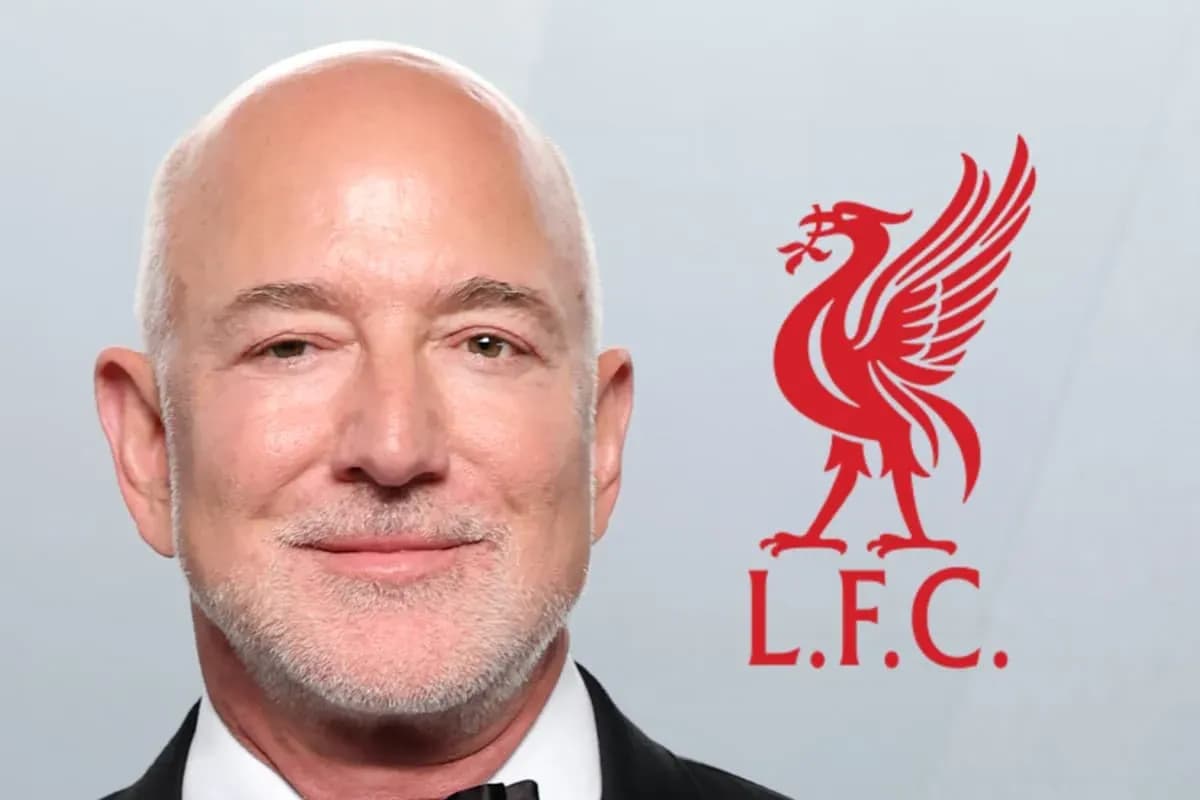
Liverpool are bracing for one of the most eye‑catching ownership moves in modern football, with Jeff Bezos closing in on a deal to buy a stake in the club that could be confirmed as early as this week.
The Amazon founder is part of a heavyweight consortium fronted by businessman Amit Bhatia and including Facebook co‑founder Eduardo Saverin, with the group set to acquire a stake of just over 30 per cent in the Premier League side.
Proposed Deal Value: $6 billion
Sky News report that Fenway Sports Group (FSG), Liverpool’s owners since 2010, are preparing to unveil the agreement, a move that would drop three of the world’s wealthiest investors straight into the heart of Anfield’s boardroom.
Between them, the numbers are staggering. Bezos is estimated to be worth more than $280 billion. Saverin’s fortune is reported to exceed $32 billion. Bhatia, the son‑in‑law of Indian steel magnate Lakshmi Mittal, brings his own deep financial clout and previous football experience from his time as a shareholder at Queens Park Rangers.
This is not just another investment. The proposed deal would value Liverpool at around $6 billion, placing it among the most expensive football club transactions ever contemplated. For context, FSG paid roughly £300 million for Liverpool in 2010, when the club was wrestling with serious financial problems and uncertainty off the pitch.
Since then, the picture has transformed. Under FSG, Liverpool have collected a sixth Champions League trophy and ended their long wait for a league crown with two Premier League titles, rebuilding both the squad and the club’s global profile. The owners have also expanded Anfield and modernised the club’s operations, while keeping a relatively tight rein on spending compared to some rivals.
Now comes a very different kind of money.
FSG confirmed last month that Bhatia’s consortium had expressed interest in making what they described as a “strategic minority investment”. On paper, this deal fits that description: FSG would retain control, with the new group taking a minority stake rather than launching a full takeover.
But the identities involved change the conversation.
Bezos and Saverin are not typical passive investors. Their arrival will inevitably fuel speculation over Liverpool’s long‑term ownership and the possibility that this minority position could, over time, evolve into something far more substantial.
Questions will follow quickly. How much influence will the consortium wield on transfer policy, infrastructure projects and commercial strategy? Will this influx of capital be used to push Liverpool closer to the spending power of state‑backed clubs? Or is this a calculated step by FSG to bank a huge uplift in value while sharing both risk and opportunity with new partners?
For now, the outline is clear: FSG stay in charge, Bhatia fronts a star‑studded investment group, and Liverpool’s valuation soars into the financial stratosphere.
What comes next will determine whether this is simply the richest minority deal in football history, or the first move in a gradual changing of the guard at Anfield.