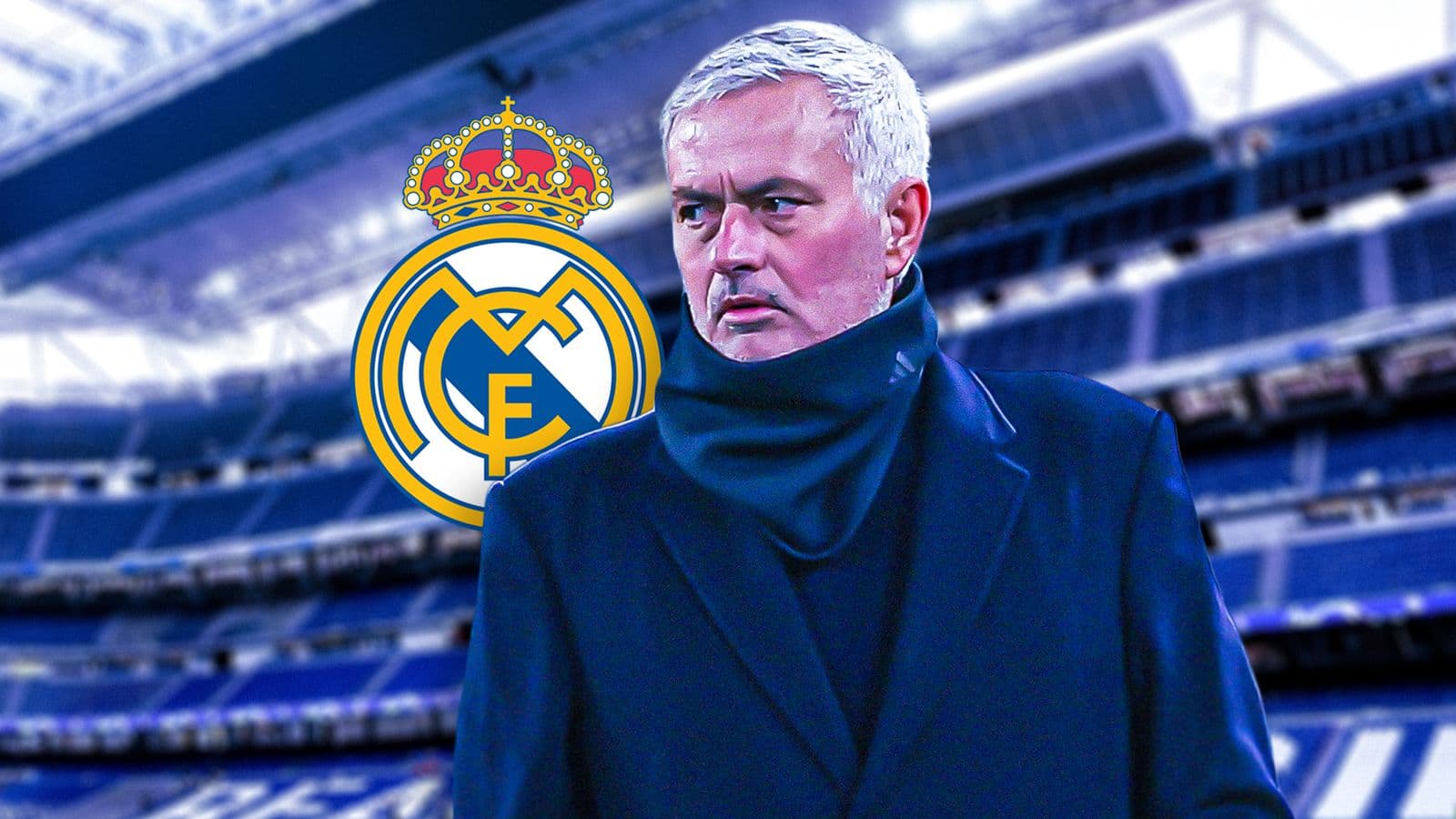
Jose Mourinho Returns to Real Madrid: A Calculated Move in Crisis
Real Madrid have gone back to a familiar name in their hour of need. Thirteen years after he first walked into the Bernabéu, Jose Mourinho has agreed a two-year deal to return as head coach, with an option for a third season.
The club plan to confirm the appointment after their final game of the season against Athletic Club on Sunday, ending weeks of internal debate over how to bring order to a dressing room that has lurched from controversy to controversy in a trophyless campaign. The unveiling is expected in Madrid next week.
This is not nostalgia. It is a calculated move by Florentino Pérez to bring back the one coach he believes can impose structure, discipline and edge on a squad that has lost all three.
From Lisbon to the Bernabéu
Mourinho signed a two-year contract with Benfica only eight months ago, but a clause allows him to leave for £2.6m. He finished his season there on Saturday with a 3-1 win over Estoril, completing an unbeaten Liga Portugal campaign and securing third place.
He will not be going alone. Four members of his Benfica backroom staff are expected to follow him to Madrid, part of a familiar inner circle that has travelled with him through the peaks and valleys of his career.
The move has been brokered by Jorge Mendes, the Portuguese super-agent who retains a close relationship with Pérez. The Real Madrid president never fully closed the door on Mourinho after their first spell together, and the personal bond has helped drive this return.
Alvaro Arbeloa, another Mourinho disciple from that era, has been holding the fort as interim coach since Xabi Alonso was sacked in January, just seven months into the job. Both were former players of the Portuguese; neither could steady the ship. Now the club have turned back to the original architect.
Why Madrid turned back to Mourinho
The decision cuts against the old football warning: never go back. Pérez has ignored that. He sees a club in disarray on and off the pitch, and a dressing room that has become as much a political arena as a football squad.
Recent months have been dominated by headlines for all the wrong reasons. Discipline. Egos. Internal conflicts. A season without a trophy has stripped away the usual protection that silverware provides.
Mourinho, even at 61 and with a softer public image than the snarling figure of a decade ago, still carries the kind of authority few in the game can match. As one of the most recognisable names in world football, he walks into that dressing room with instant weight.
Those close to him insist he has mellowed. The days of ruling with a heavy fist are gone. He is more inclined now to put an arm around a shoulder than to throw a player under a bus in a press conference. But the expectation from Pérez is clear: he must re-establish control.
The job is not just about tactics. It is about personalities.
Vinicius, Mbappé and the fault lines ahead
At the top of Mourinho’s in-tray sits Vinicius Junior.
The Brazilian is central to Real Madrid’s present and future, but his relationship with any new coach will inevitably influence his stance on a contract extension. How he responds to Mourinho’s arrival will be one of the defining subplots of the summer.
Then comes the bigger question: can a Real Madrid side truly function with both Kylian Mbappé and Vinicius in the same XI?
The club have wrestled with that dilemma all season. Where do they play? Who moves? Who sacrifices? Pérez believes Mourinho has the personality and tactical conviction to make those calls and live with the consequences, even if it means upsetting powerful figures in the squad.
It is precisely that willingness to confront uncomfortable truths that has brought him back.
The shadow of his first reign
Mourinho’s first spell at Real Madrid was built around one clear mission: stop Pep Guardiola’s Barcelona.
He arrived in 2010/11 to face a side many regard as the greatest club team ever assembled. The early blows were brutal. A 5-0 defeat at the Camp Nou in November left scars, and Barcelona went on to win both LaLiga and the Champions League.
But the tide eventually turned.
Mourinho’s Madrid denied Barça a second treble in three seasons by beating them in the Copa del Rey final, a ferocious, high-stakes clash that felt like a psychological turning point as much as a trophy win.
The following year, Real Madrid stormed to the 2011/12 LaLiga title, ending a four-year domestic drought in record-breaking fashion. They became the first Spanish champions to hit 100 points, a mark that Barcelona later matched but never surpassed.
That team also set the record for most goals scored in a LaLiga campaign with 121, and matched the record for most wins in a Spanish league season with 32. Those numbers are etched into Pérez’s memory. They are part of the reason the president has gone back to a coach many assumed Madrid had outgrown.
A different Mourinho, a familiar stage
This is not the same landscape he left. Nor is it quite the same Mourinho.
He has been through Roma, through more sackings, through periods of doubt. He was offered the Real Madrid job in 2021 but turned it down, having already given his word to Roma. That chance has come again, and this time he has grabbed it.
He has already ruled out World Cup punditry to focus entirely on his new task. The message is deliberate: total commitment to Real Madrid and to one last attempt at replicating his past glories at the highest level.
Carlo Ancelotti arrived at the Bernabéu in 2021 with his own reputation questioned after being dismissed by Bayern Munich and Napoli and finishing 10th with Everton. There were raised eyebrows then, too. Everyone remembers how that story ended.
Now it is Mourinho’s turn to step back under the white-hot lights of the Bernabéu, with a club in turmoil, a president who still believes, and a fanbase divided between excitement and trepidation.
He came once as the man hired to break a dynasty. This time, he walks back in as the man asked to stop Real Madrid from tearing itself apart.