Jürgen Klopp's Bold Germany Squad Selection for Nations League
Jürgen Klopp’s first Germany squads were never going to be quiet. They arrived as a statement.
In his opening act as national team head coach, Klopp has named two separate 22-man groups for the upcoming Nations League fixtures, calling up a total of 44 players for four games against the Netherlands, Serbia and Greece. It is a reset, and he has smashed the glass with enthusiasm.
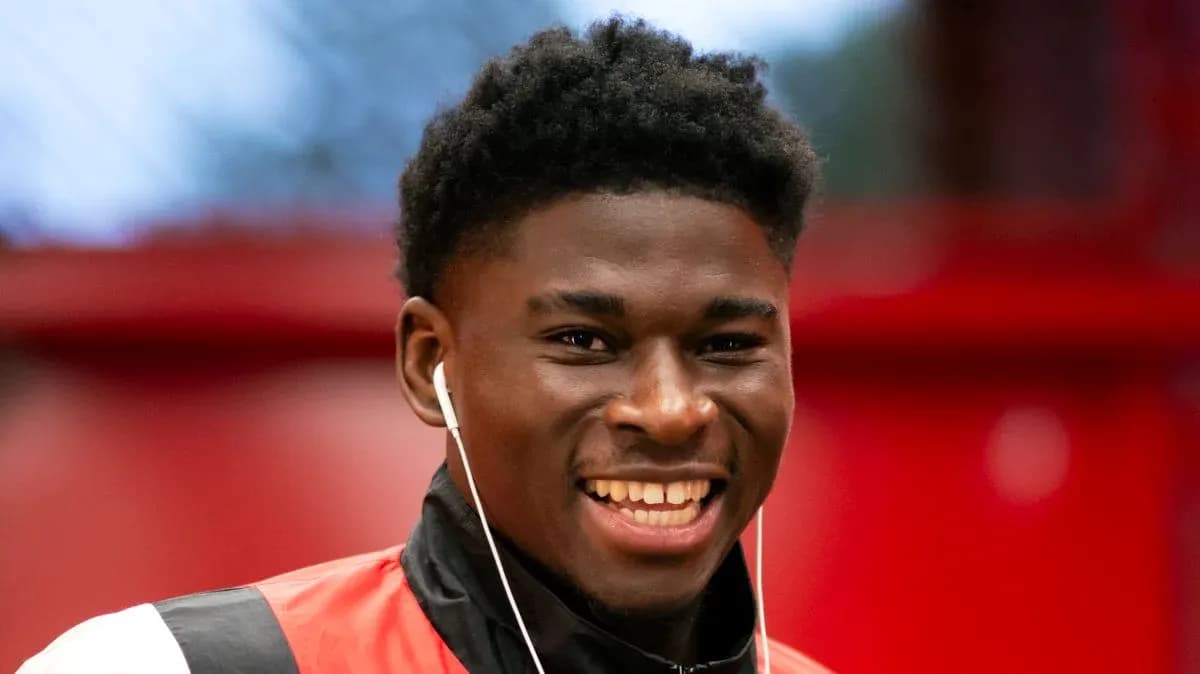
Sixteen of those players have never been capped at senior level. Among the most eye-catching names: Said El Mala of Köln, Freiburg trio Max Rosenfelder, Philipp Treu and Derry Scherhant, and Celtic midfielder Mika Baur. For them, the door to the national team has not just opened; it has been flung off its hinges.
There were big decisions at the other end of the spectrum, too. Stuttgart striker Deniz Undav is out, with Klopp putting that down to fitness concerns. Joshua Kimmich, long shuffled between roles, has been told exactly what he is now: a midfielder. Under Julian Nagelsmann he was often pushed to right-back. Under Klopp, that experiment is over.
Nagelsmann’s resignation came in the wake of Germany’s World Cup exit to Paraguay in the last 32, a limp departure that forced a reckoning. Klopp’s first squads read like his answer: broaden the pool, sharpen the competition, and make some early calls on hierarchy.
One of those calls comes in goal. Marc-André ter Stegen, on loan at Ajax from Barcelona, has been confirmed as first-choice goalkeeper. Behind him, Klopp has reached back into the recent past, recalling Karim Adeyemi, Leeds United midfielder Anton Stach and Brentford forward Kevin Schade. It is not a clean break with what came before, but it is a clear reshaping.
The structure of this international window underlines that. One squad will handle the first two matches: away to the Netherlands in Amsterdam on Thursday, September 24, then Greece in Augsburg on September 27. The second group will take over for Serbia in Munich on October 1 and the return meeting with Greece in Thessaloniki on October 4. Klopp wants intensity in every game, and he has picked enough players to make sure nobody can feel too secure.
A cap, a flag, and a message
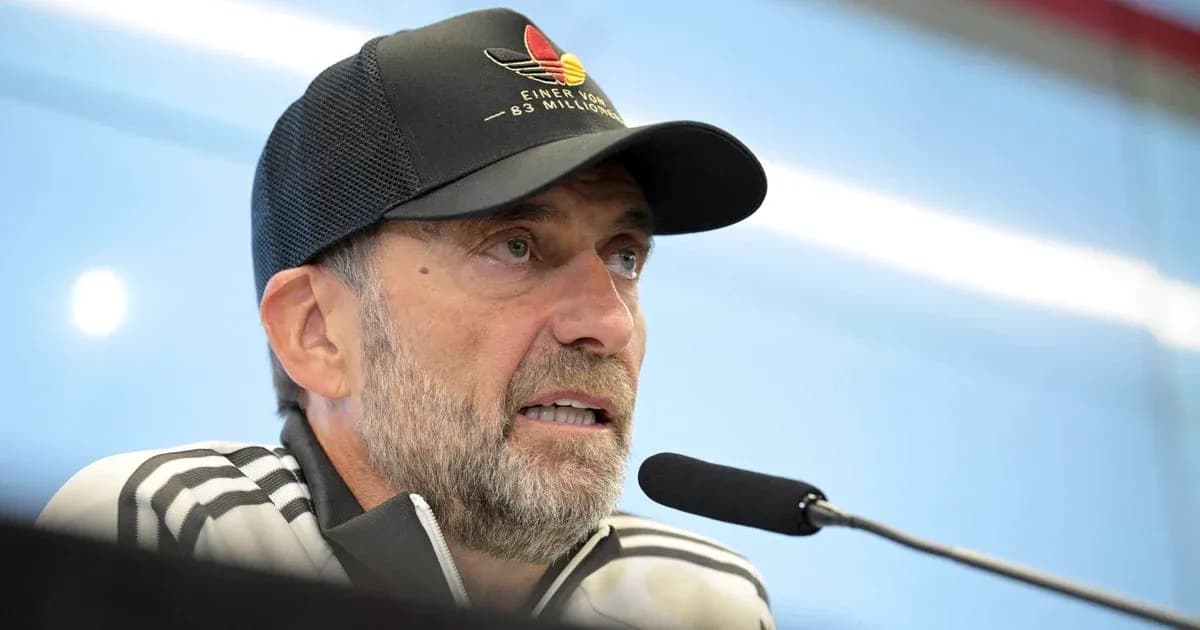
The football decisions were only half the story. Klopp walked into his first major press conference wearing a baseball cap in the colours of the German flag, emblazoned with the words “one of 83 million”. It was not a fashion choice.
Germany is in the middle of a bitter political period. The far-right Alternative für Deutschland (AfD) party has surged, most recently winning more than 43 per cent of the vote and a majority in the Saxony-Anhalt state election. That result did not come out of nowhere; AfD support has been climbing for years at both state and federal level, driven by anti-immigration and nationalist rhetoric that bites hardest in regions of industrial decline, but is no longer confined to the former East.
Klopp used his platform to push back. Asked about the cap, he did not dodge. He spoke about wanting to reclaim the flag, about making people feel fortunate to live in Germany, about refusing to leave national pride “to the wrong people”. He framed his new job not just as a sporting role, but as a chance to create a sense of community around the national team.
“We need to rediscover the fun in all of this,” he said, stressing that football should bring people together and improve the national mood, not deepen the divides already running through the country. The message was simple: the flag, the shirt, the idea of Germany itself should not be surrendered to those who weaponise them.
That question — what kind of patriotism is acceptable in Germany? — has never been straightforward. The legacy of National Socialism lingers over any display of national symbols. As the country becomes more multicultural and more fragmented, the same flag can mean very different things to different people, and can be twisted for darker purposes.
Klopp’s cap stepped straight into that debate. “One of 83 million” was a reminder that Germany is federal, varied, and full of competing identities, from state to state and city to city. It was also a challenge: if the national team is supposed to belong to everyone, who gets to define what that looks like?
His answer, for now, is on the team sheet as much as on his head. Forty-four players, 16 debutants, a redefined captain, a confirmed No 1, and a coach determined to turn a fractured conversation into a shared cause. The Nations League will show whether that vision can survive contact with reality.