Juventus vs Galatasaray: A Tactical Analysis of the Strategic Battle
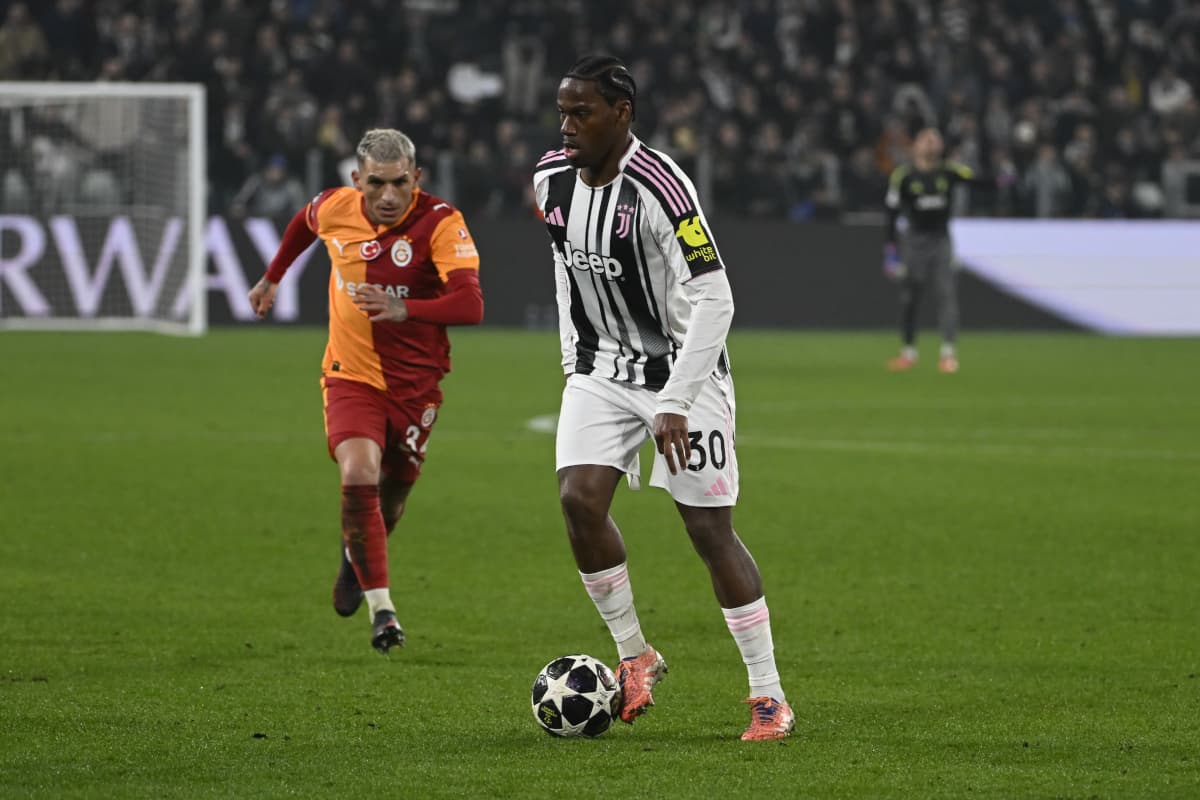
Across 120 minutes in Turin, the game evolved from Juventus control to Galatasaray’s late dominance of territory and ball. Galatasaray edged possession with 53% and completed more passes (576 at 83% vs Juventus’ 498 at 79%), reflecting a plan to construct patiently through their 4-2-3-1. Juventus, in a 4-3-3, were more vertical and direct, focusing on attacking quickly once they broke pressure.
The red card for Lloyd Kelly on 49 minutes forced Juventus into a deeper, more compact block. From there, Galatasaray increasingly controlled the ball, but Juventus initially controlled the key spaces, defending their box and springing from it, before fatigue and numerical inferiority told in extra time.
Offensive Efficiency
Juventus’ game plan was built around volume and box occupation. Their 28 total shots to Galatasaray’s 16, and a striking 23 shots inside the box, show repeated attempts to overload the penalty area rather than rely on speculative efforts (only 5 shots from outside). An xG of 5.06 underlines that these were high-quality chances, not just hopeful efforts. Nine corners further confirm sustained attacking phases, especially before the red card.
Galatasaray, with 16 shots and 11 inside the box, were more selective but initially less present in the area. Their xG of 2.01 suggests they created decent but not overwhelming danger relative to Juventus. The fact both goalkeepers registered 6 saves indicates a fairly balanced exchange of clear chances despite the shot disparity.
Crucially, Juventus’ high xG compared to their three regulation-time goals points to some wastefulness in finishing. Conversely, Galatasaray’s lower shot count but late comeback in extra time reflects more “ruthless efficiency” once Juventus tired and their defensive structure loosened. The shift in momentum after 90 minutes was statistical as well as tactical: Galatasaray turned possession and moderate chance creation into decisive, late-box entries.
Defensive Discipline & Intensity
The match was physically intense and strategically disruptive. Juventus committed 17 fouls to Galatasaray’s 14, consistent with a side increasingly focused on breaking up play after going down to 10 men. The three Juventus yellow cards plus Kelly’s upgraded red card underline a high-risk, aggressive defensive approach to protect their lead and compact block.
Galatasaray’s four yellow cards, including one for persistent fouling and another for time wasting from goalkeeper Uğurcan Çakır, show their own willingness to disrupt rhythm, especially as they chased and then managed game states in extra time.
With both goalkeepers making 6 saves and Juventus registering 6 blocked shots to Galatasaray’s 3, the Italian side’s defensive phase was more sacrificial and box-oriented, throwing bodies in front of attempts as their numerical disadvantage grew.
Juventus’ high-volume, box-focused attack and intense defending were undone by their red card and fading control of space. Galatasaray’s superior possession, patience in circulation, and late attacking efficiency turned statistical balance into a dramatic extra-time turnaround. Efficiency and game management trumped Juventus’ earlier territorial and chance dominance.