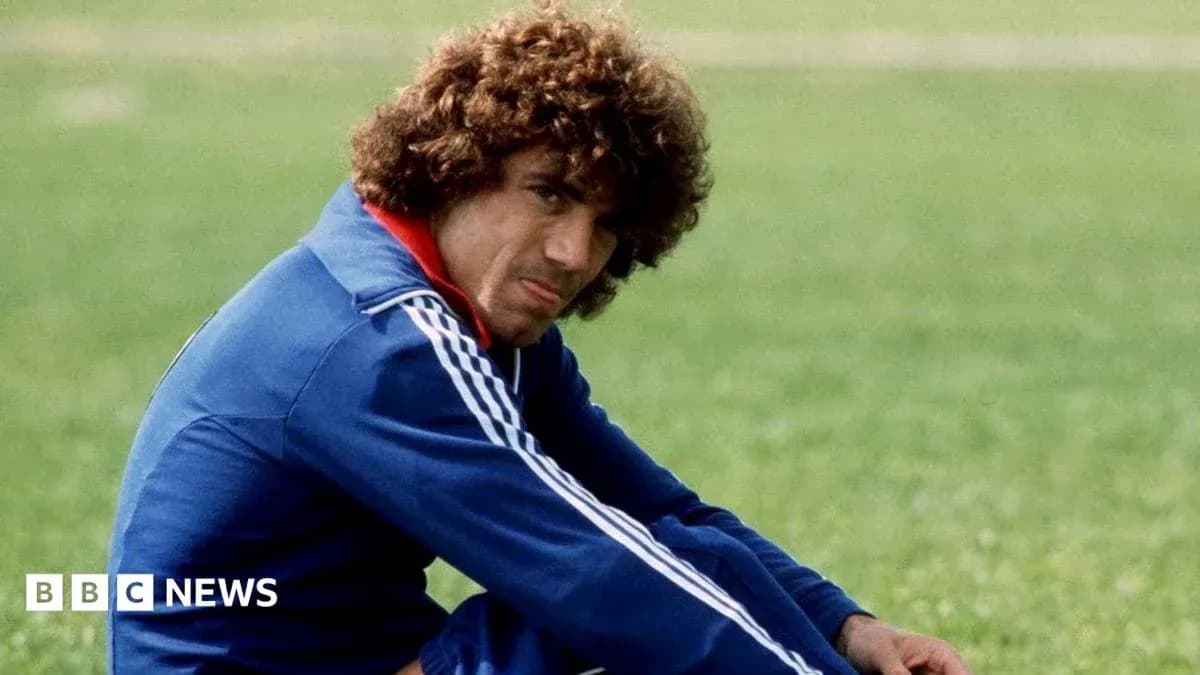
Kevin Keegan: Liverpool and Hamburg's Football Bridge
Kevin Keegan never just changed clubs. He changed skylines.
Liverpool City Region Mayor Steve Rotheram has described the late Liverpool legend as a “bridge between two great cities” in a heartfelt letter to the mayor of Hamburg, written in the days after Keegan’s death at the age of 75.
Keegan, one of English football’s most decorated sons, passed away on Monday. He had been due to travel with Rotheram to Hamburg for the city’s annual Harbour festival, a trip that would have reunited him with a place that claimed him almost as fiercely as Liverpool once did. Cancer stopped him making that journey.
From Anfield Icon to Hamburg Hero
Keegan’s story is etched into Liverpool’s modern football identity. The England striker arrived in the early 1970s and left in 1977 having helped transform Liverpool FC from domestic force into European champions.
Seven major honours. Two Ballon d’Or awards. And, on his final appearance for the club, he lifted Liverpool’s first European Cup before walking away to start again in Germany. Few players leave on a higher note. Even fewer choose such a bold next step.
His transfer to Hamburg SV in 1977 was a record move at the time. It felt seismic on Merseyside, a hero departing at his peak. In Rotheram’s words, though, it became more than a deal between two clubs. It forged a cultural link.
“When Kevin left our shores for Germany in 1977, he did more than make a then-record transfer between two football clubs. He built a bridge between two great cities,” the mayor wrote in his letter, seen by the Local Democracy Reporting Service.
Loved on Both Sides of the Divide
Keegan’s standing in Liverpool cut across the usual tribal lines. Rotheram captured that duality with a wry nod to the city’s split loyalties.
“For one half of our football-mad city, Kevin was a footballing hero, for the other, a well-respected irritant on derby day,” he said.
That line will resonate with anyone who remembers those fierce meetings between Liverpool and Everton. Red or Blue, you knew Keegan. You had to.
“He was not just a Liverpool FC legend and one of the most beloved figures our city has ever known,” Rotheram added, underlining how the forward’s impact reached far beyond the Kop.
In Hamburg, Keegan became just as cherished. He arrived as a superstar and still managed to win people over with his work rate, charisma and goals. Rotheram stressed that sense of shared ownership.
Keegan’s success, he wrote, “belonged equally to Liverpool and Hamburg”, places where he was both “admired and loved”.
Football as the People’s Game
Rotheram’s letter carried one final line that felt less like a tribute and more like a definition of Keegan himself.
“To me, he embodied better than anyone else that famous maxim: football is the people’s game.”
It fits. Keegan’s career spanned eras and borders, yet his appeal remained stubbornly simple: effort, courage, connection. He played like a star, celebrated like a fan and moved between Liverpool and Hamburg in a way that turned a transfer into a shared story.
The visit to Hamburg will now go ahead without him. The bridge he built between the two cities, though, needs no new crossing.