Konstantinos Karetsas Shines in Debut for Borussia Dortmund
Konstantinos Karetsas needed only one night to announce himself in Germany.
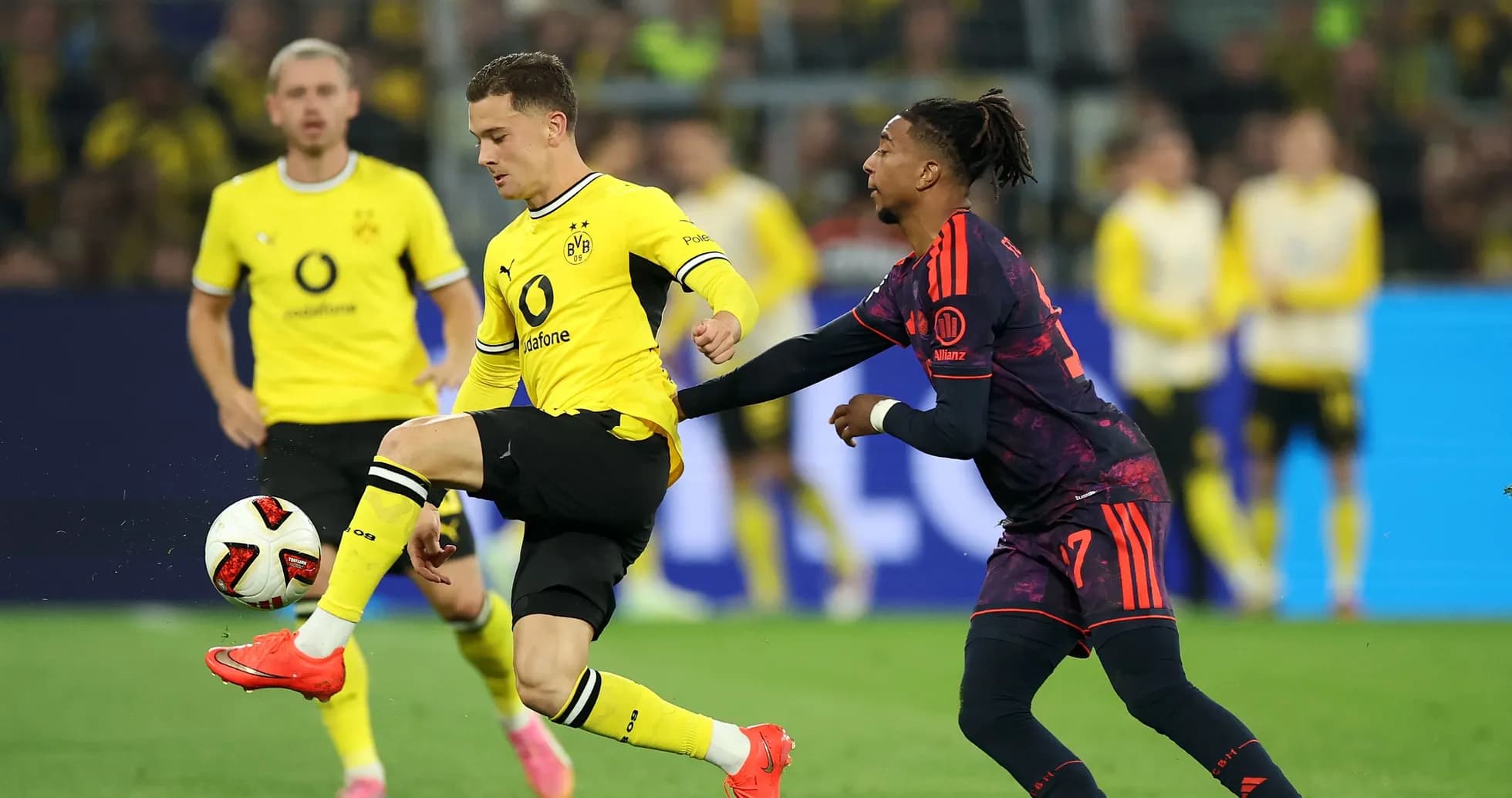
Borussia Dortmund lost the German Super Cup 2-1 to Bayern Munich at Signal Iduna Park, but the lasting image for many inside the stadium was not the trophy ceremony. It was an 18-year-old in yellow, gliding past red shirts and threading passes through gaps that barely existed.
The Greece international, signed this summer from Genk for 30 million euros, was thrown straight into the starting XI. No gentle introduction, no late cameo. Under the floodlights, against the champions, in front of the Yellow Wall.
He looked like he belonged.
Karetsas stitched together a debut full of sharp touches and bold ideas. He dropped into pockets, demanded the ball, and drove at Bayern’s midfield with a confidence that caught the crowd’s attention. Several times, the home fans rose to his dribbles and disguised passes, sensing something different in the way he moved and saw the game.
Dortmund did not buy a prospect to hide on the bench. They bought a playmaker already used to carrying responsibility. At Genk, he had broken into the first team at a remarkably young age and left a clear imprint on last season: 11 assists and two goals in the Belgian league, plus five more assists across 11 Europa League appearances. Those numbers travelled with him, and on this evidence, so did the swagger.
The performance did not just turn heads in the stands.
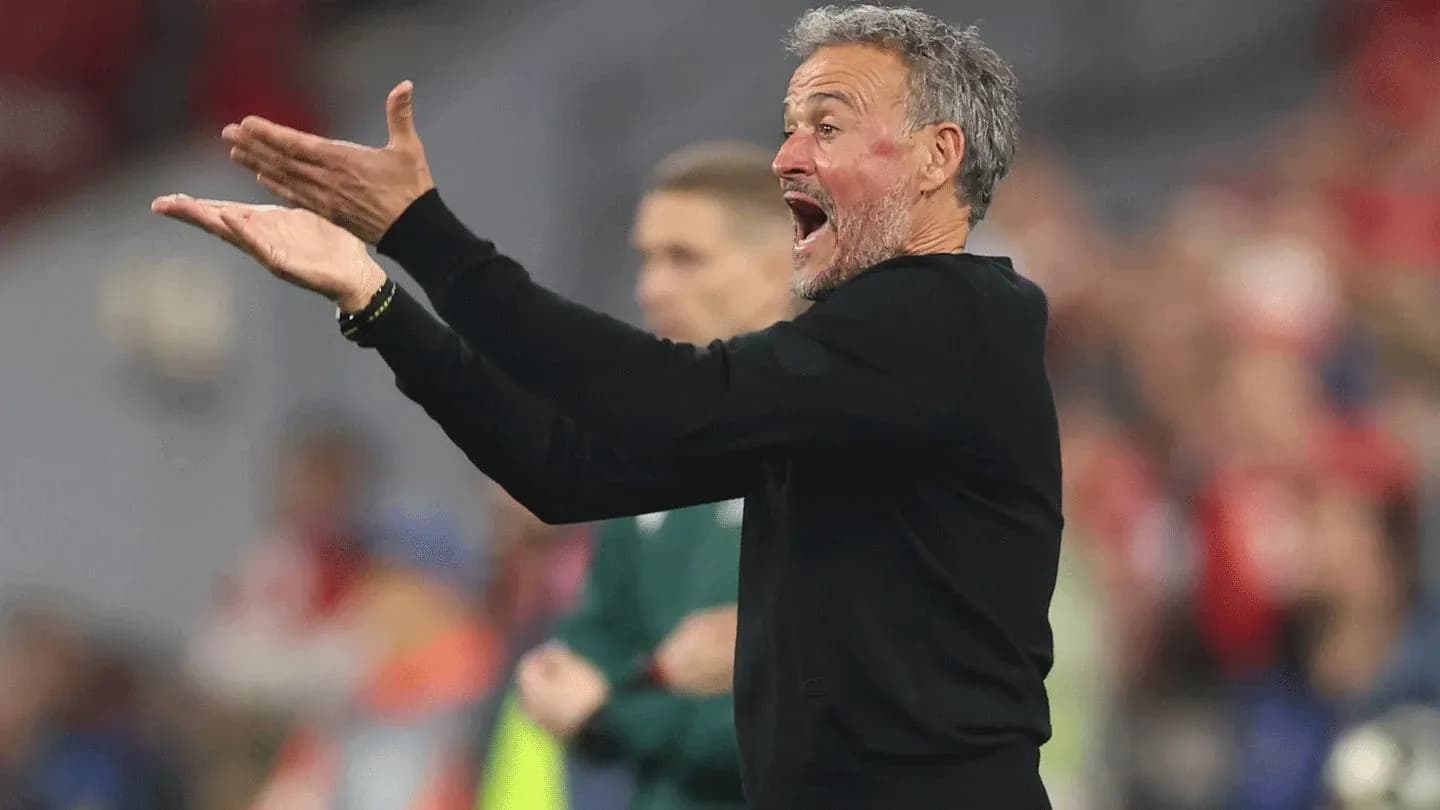
According to “Bild”, Bayern Munich head coach Vincent Kompany walked away from the Super Cup deeply impressed by what he had just seen from the teenager. Dortmund correspondent Michel Schroder recounted an encounter with Kompany in the stadium corridors after the final whistle, where the Belgian coach spoke openly about the new signing.
Kompany, who knows the Belgian football landscape as well as anyone, did not disguise his admiration. He described the Greek playmaker, who grew up in Belgium and came through at Genk, as “very good” and urged Schroder to keep a close eye on him. The way he talked about Karetsas, Schroder noted, made it sound as if Kompany had been tracking him for a long time. The Bayern coach, the reporter added, “likes him a lot”.
That kind of praise, especially from the opposing dugout on debut night, does not arrive by accident.
Karetsas could not change the scoreline or wrestle the Super Cup away from Bayern, but he did something else: he shifted the conversation. Days after his first appearance, Schroder was already suggesting the youngster has the tools to grow into one of Dortmund’s biggest stars in the coming years, and possibly a fan favourite far sooner than that.
The result will fade. The impression he made will not. For Dortmund, the defeat hurt—but the message was unmistakable: a new playmaker has stepped onto the stage, and the Bundesliga has been warned.