Lamine Yamal's Remarkable Season: From Crown to Flag
Lamine Yamal began the season with a crown on his head and ended it with a flag in his hands.
On the opening night of 2025-26, Barcelona’s new No 10 – the teenager inheriting a shirt worn by Ladislao Kubala, Luis Suárez, Diego Maradona, Rivaldo, Ronaldinho and Lionel Messi – took the last kick against Mallorca and buried it. His first goal as an adult. His own coronation. La Liga’s title race opened with a statement from a kid Luis de la Fuente had described as “touched by God’s wand”.
Nine months later, as Barcelona’s bus rolled through the city streets, the same teenager stood on the top deck and held a Palestine flag aloft. Hansi Flick, the coach who had become a father figure, shrugged off the inevitable storm. “If he wants to it’s his decision,” he said. “He’s old enough: he’s 18.”
The football had not been simple. Nor had the growing up. Injuries, dips, what Lamine Yamal later called an “internal abyss”. But there he was with a third league title. Flick, whose own father died on the morning Barcelona sealed the championship and who chose to share that pain with his “other family”, had his second. Someone asked if he had ever felt so loved. “No, never,” he replied.
Barcelona’s sprint to the line
The league was effectively finished with seven games to go, wrapped in a derby. Barcelona dismantled Espanyol, Lamine Yamal racing towards the line, arms stretched wide like Usain Bolt easing away from Richard Thompson and Walter Dix. The mathematics came later, in week 35, but the symbolism was brutal: for the first time in 94 years, a clásico decided the title.
Three days after a dressing‑room fight between Fede Valverde and Aurélien Tchouaméni had left Real Madrid’s vice‑captain in hospital with “craniofacial trauma” and stitches, Marcus Rashford delivered the final blow. Barcelona had played in three different stadiums this season and won in all of them. This clásico made it 11 victories in a row, 23 wins in 25 league games since the previous meeting 600km west.
By then, the landscape had flipped completely.
In late October, it looked very different. Barcelona were brittle, Flick warning that “ego kills success”. Rayo Vallecano had exposed what locals dubbed “The Flick Line”, Sevilla had sliced them apart, and Madrid had beaten them 2-1 at the Santiago Bernabéu to move five points clear. That night Jude Bellingham mocked Lamine Yamal’s pre‑match talk as “cheap”, posting Elvis’s “A Little Less Conversation” over the top. Dani Carvajal added the old jibber‑jabber hand gesture for good measure.
Madrid had their own noise to deal with. Vinícius Júnior stomped off with 18 minutes left, Xabi Alonso tried to insist he would focus on what really mattered, but that was what really mattered. The coach stood alone as the cracks widened and deepened around him.
Barcelona’s Super Cup win in the next clásico closed the brief period when Alonso had felt “in charge” – a reign that started too early, took him unhappily to the Club World Cup, and ended too early as well. Madrid turned to Álvaro Arbeloa, who talked about openness, empathy and grey sofas where players could share their feelings, and handed out doughnuts as rewards. It sounded warm. It did not work. “I’m not Gandalf,” he said, and by the time the great rivals met again in May, Madrid were out of Europe, out of the Copa del Rey and close to out of their minds.
Divided, exhausted, just wanting the season done, they walked into another clásico and walked out of the title race. Ninety minutes later they were 12 points behind with nine left on the table, empty‑handed again, just as last season. Kylian Mbappé? He was simply gone, slipping away to Sicily. When Madrid went 2-0 down, he posted: “Let’s go Madrid!” from afar.
Two days later, Florentino Pérez reappeared in public for the first time in more than a decade and delivered an incoherent, rambling press conference that explained nothing and somehow explained everything. He did at least locate the culprit: the newspaper ABC. He cancelled his subscription.
Barcelona, meanwhile, were champions. Remarkably, the trophy was handed over on the very night they clinched it and then paraded around the city. The Super Cup joined them on the bus. The European Cup did not. That was the one they craved most. Madrid did not get their hands on it either, better in Europe than in the league but still short. Villarreal and Athletic Club failed to escape the new league phase, though San Mamés remained the only ground where eventual champions PSG failed to score.
Atlético Madrid came closest of the Spanish sides. They knocked Barcelona out of both domestic cups and had long since abandoned the league chase, but still finished with nothing. Arsenal ended their first Champions League semi-final in 10 years; Real Sociedad denied them in their first Copa del Rey final in 13, winning on penalties. A backup goalkeeper made the decisive save, kissed a former ballboy on the cheek, and that same former ballboy – full‑back Jon Martín – scored the winner. Álvaro Odriozola, who did not even play, claimed he would not swap it for “anything in humanity”.
Barcelona, Madrid, Atlético and Villarreal, who finished third, will all return to the Champions League next year, joined by Betis, who took Spain’s new fifth spot.
Survival, suffering and Getafe’s ugly miracle
Beneath them, Copa del Rey winners Real Sociedad head back to Europe alongside Celta Vigo and Getafe. That last name might be the most improbable of all. Pepe Bordalás insisted their qualification would “go down in football history”. That may be a stretch, but the route was wild.
Getafe started the season with 13 first‑team players, two of them goalkeepers. At the halfway mark, they sat in the relegation zone and things were so desperate that Allan Nyom, a full‑back, played up front. Bordalás, a coach who has inflicted plenty of suffering on others, admitted: “I wouldn’t wish this on anyone.” In January they signed four little‑known loanees. By June, they were seventh.
They did it in pure Getafe style: second fewest goals scored, lowest possession, fewest shots, most fouls. Brutal, basic, efficient.
The final day brought one of the most surreal scenes of the season. As Getafe fans invaded the pitch in celebration, a cluster of red shirts lingered in the chaos. Osasuna’s players, still fighting relegation, stayed out there waiting for the other results to come in. Their captain called those minutes with iPads, phones and radios “agonising, the worst feeling I’ve ever had”. When safety was finally confirmed, they leapt about with the Getafe fans and Nyom, who made sure they were safe before disappearing into the dressing room.
“It’s been … weird,” said Osasuna coach Alesio Lisci. He was right. His team had already celebrated survival a month earlier after a 99th‑minute winner against Sevilla. They never imagined they would have to claw clear again. In the end, others saved them.
This was the pattern. At the top, the same five or six clubs held their ground most of the year. At the bottom, chaos. Sudden collapses, sudden revivals, biblical escapes. Only Real Oviedo were gone early, back in the top flight after 24 years, with Santi Cazorla finally making his Primera debut for the club he joined at eight and rejoined at 38 on the minimum wage. Romance did not last. They scored nine home goals all season and finished with more managers (three) than away wins (two).
The other two relegation spots stayed open until the very end. In a league where form flipped overnight and the gap between Europe and oblivion rarely widened, nine clubs entered the penultimate round still at risk. Espanyol, Sevilla, Alavés and Valencia scrambled clear. Five remained in peril on the final day, their fates tangled.
Elche and Girona met at Montilivi in a straight shootout. All or nothing. A late Thomas Lemar shot crashed off the bar, the difference between Girona standing and falling. Four points from their last eight games dragged them down. Two years ago they had chased the title; last season they were in the Champions League. Now they slipped into the second division on 41 points, a total that would have been enough to survive in any other season this decade.
Mallorca went with them, bottom of a three‑team mini‑league with Osasuna and Levante after all three finished on 42 points. They did so despite having a striker who scored 23 league goals – a mark not matched in 26 seasons.
“This hurts,” said Mallorca coach Martín Demichelis. “Football has been cruel,” added Girona’s Míchel Sánchez. Elche’s Eder Sarabia, whose side stayed up, simply called it “really crazy”.
He was right. It was over. Just not entirely.
Rayo, romance and a banner in Leipzig
One story remained, the last act of the season and perhaps the most fitting. Rayo Vallecano – the club from the working‑class strip of Madrid that feels gloriously out of place in the modern game – travelled to Germany for the first European final in their history, the Conference League showpiece in Leipzig.
They did not win. Of course they did not. With Rayo, that somehow felt both wrong and entirely appropriate. At the end, their end of the stadium unfurled a banner that said everything about who they are and why they matter: “I have known no greater victory than being with you in defeat.”
The trophy stayed elsewhere. The point stayed with them.
The season’s strange honours
It was that sort of year, one that produced its own alternative awards.
Most charming president? Rayo’s Raúl Martín Presa, who called his own supporters “drunk, brainless and idle”.
Most optimistic owner? Oviedo’s Jesús Martínez, who in week eight declared: “Don’t talk to me about just avoiding relegation; talk to me about European places,” two days after sacking the coach who had taken them up and kept them safe. By the end of that week, Oviedo were in the bottom three. They never left.
Best atmosphere? San Mamés, of course. The twist: Athletic Club were not playing. Instead, Euskadi faced Palestine.
Best “tifo”? Toilet rolls. Atlético fans turned the Metropolitano into a paper blizzard, a throwback that made the place feel like River Plate’s Monumental. Sevilla copied them days later. UEFA and La Liga responded with fines.
Best post‑match singalong? Rayo again, belting out “A Pirate’s Life” alongside the CD Yuncos players they had just beaten.
Best party – and worst hangover? Real Sociedad’s Copa del Rey triumph. Kick‑off at 10pm, extra time, penalties, and nobody out of the stadium before 2am. The hotel disco started at 2.39am, taxis to a club at 4.45am, a bus to the airport at 10.15am with no sleep and duty‑free cracked open on the plane. One of the liveliest shouted: “This is the best day of my life and we’re going to have a fucking great time.” They did. All day, all night, again and again, parading through the city on an open‑top bus, drinking, burning in the sun, hundreds of thousands going wild with them. Then they staggered into training the next afternoon for a league game they just wanted to survive. The opponent? Getafe, of course.
Most nostalgic fan? Lionel Messi, slipping silently into the Camp Nou alone one cold Sunday night in November.
Most brilliantly unexpected fan? The reaction said it all: “Wait, what?!”
Unluckiest fan? A Betis supporter who, desperate for Cédric Bakambu’s shirt after a 3-0 win over Mallorca, leapt down the stand, tripped over the barrier and landed at the forward’s feet. He got the embarrassment, not the shirt. Bakambu simply stared, bemused. How he must have envied the Osasuna fan who saw Sergio Herrera gather up the entire team’s kit after a win in Palma and hand‑deliver it to the stands, no pratfalls required.
Naughtiest fan? The Oviedo supporter whose trip to Mestalla went viral. Torrential rain delayed the game 24 hours, stranding fans in Valencia. The club kindly flew them back on the team’s charter. A photo went online. A mum in Asturias recognised one of the passengers. “Hey, Real Oviedo,” she wrote, “please tell my son I’ll be having a word with him when he gets home.” He was supposed to be at his gran’s.
Best‑groomed fans? Celta’s. When Borja Iglesias suffered homophobic abuse for painting his nails, teammates and supporters followed suit, turning the stands into a palette of colours and designs.
Bluntest headline? El Periódico de Aragón’s verdict on Zaragoza: “Zaragoza are going to shit.” Sadly, accurate.
Best revenge? Borja Mayoral’s. In the Copa del Rey, tiny Inter de Valdemoro from the ninth tier faced Getafe and were eight goals down with half an hour to go. On came Mayoral, finally with the chance to stick it to his older brother Kity in the opposition midfield. He scored twice more in an 11-0 demolition.
Best name? Inter’s goalkeeper that night: Busy.
Toughest opponent? Robert Navarro, taken down by tinfoil – a reference to the makeshift “tackle” that stopped him.
Best red card? Granada’s Jorge Pascual, dismissed for calling the assistant “fucking moustache‑face” and, as the referee’s report noted, “pointing to his upper lip to simulate said moustache”. Just in case there was any doubt.
Best‑dressed team? Sevilla, in Matías Almeyda’s words, living off hand‑me‑downs. “You haven’t got any trainers, you lack the clothes you need, and someone from your family says: ‘Would you like your grandad’s trousers?’ ‘Yes please, I could use them.’ ‘Would you like your cousin’s T‑shirt?’ ‘Sure, give it to me.’”
Most sought‑after shirt? Madonna’s got it.
Smelliest shirt? Real Betis’s scratch‑and‑sniff jersey, made with oranges and scented like them. Before kick‑off, at least.
Handiest goalkeeper? Dani Cárdenas, who saved a Kike García penalty and protected the Vallecas nets in more ways than one.
Best teammate? Hugo Hard, who refused to complain about losing his place. “If I’m not a starter any more,” he said, “it’s because [Umar] Sadiq is playing like Pelé.”
Most modest player? Vedat Muriqi. When Barcelona previewed Mallorca’s visit as Robert Lewandowski v Vedat Muriqi, the Kosovan replied: “There are few strikers that compete with Lewy … and I’m not one of them. Thanks, though.”
Best apology? Betis striker Cucho Hernández scored against Levante and immediately apologised to his “former club”. Only problem: he had never played for Levante. He had played for Huesca. Same colours. Wrong team.
The minds on the touchline
Manager of the year? The field was crowded.
Luis Castro slipped over on his debut, literally falling on his backside as he tried to return the ball, then led a miracle at Levante. At Real Sociedad, president Jokin Aperribay asked ChatGPT if Rino Matarazzo would be a good coach. The answer came back: no. Four months later, they had a historic Copa del Rey.
Bordalás compared his Getafe to a pencil: “You sharpen it and sharpen it, and keep sharpening it, and in the end there’s no pencil left.” Somehow, with just a stub and the rubbery bit, he took them back into Europe. At Sevilla, the sporting director grumbled “it’s like a funeral in here” when he presented Luis García, but the coach resurrected them in six weeks. Eder Sarabia said: “Some teams have bazookas and tanks, and we’re there fighting with a catapult.” Promoted Elche survived anyway, and played decent football too. Claudio Giráldez and Manuel Pellegrini impressed again. Flick, of course, ended as champion once more.
But the award goes to Iñigo Pérez, now heading to Villarreal, who dragged Rayo Vallecano to their highest‑ever league finish and that first European final despite not having a proper pitch to play on, a regular training base or even reliable hot water. “It’s easier to reach success through love,” he said. He proved it.
The boy with the No 10
Player of the year? The numbers and the narrative converge on the same name.
Carlos Espí might have been the single most decisive footballer in Spain this season: 10 goals in Levante’s last 14 games, the only matches he started all year. That record both strengthens his claim and undercuts it. When fans joked he should get the Ballon d’Or, Muriqi twirled a finger beside his temple and called them “crazy”. One more point, and Muriqi himself might have taken this award along with safety.
Joan García produced what Lamine Yamal called a “science fiction” save against Espanyol, prompting the Barça forward to exclaim: “Mother of God almighty, what a goalkeeper!” Others made their case. Few sustained it.
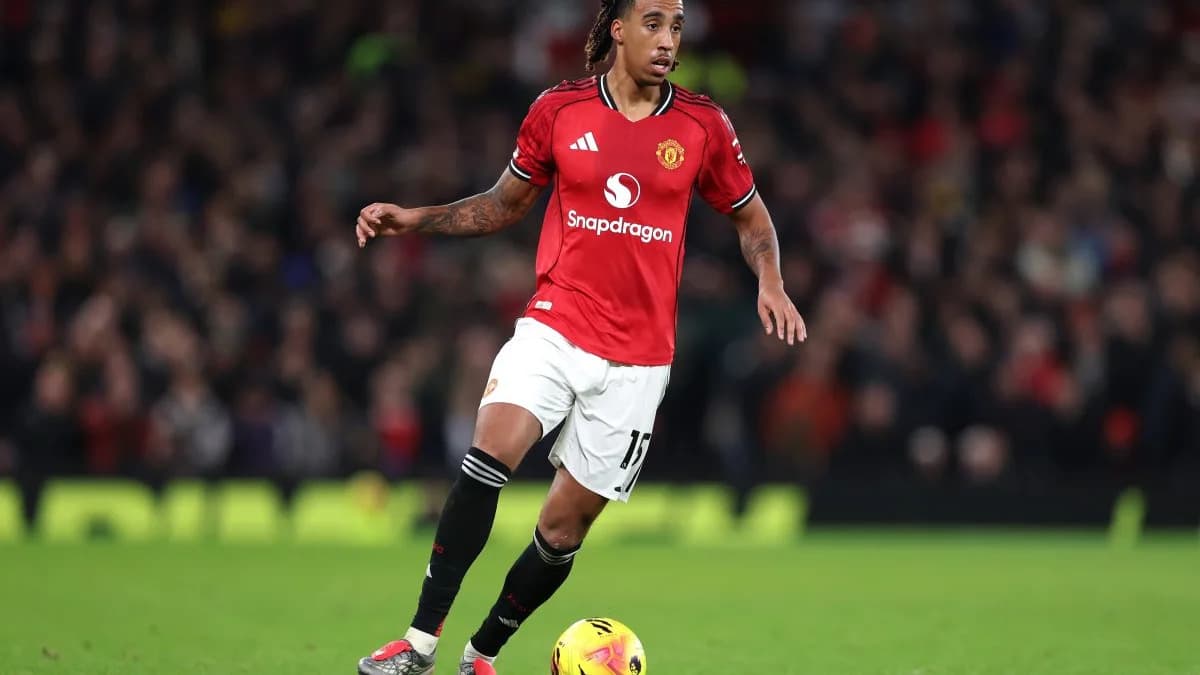
In the end, it has to be Lamine Yamal. Twenty‑four goals and 11 assists in all competitions, and something more intangible: the capacity to carry a giant when it began to stumble. “I would like to be everything everyone wants me to be,” he said. That line said plenty. On the pitch, he came closer than anyone else.
The team of the season told its own story. Joan García in goal for Barcelona. Marcos Llorente at right‑back for Atlético, Florian Lejeune anchoring Rayo, David Affengruber standing tall for Elche, Carlos Romero shining at Espanyol. A midfield of Fermín López (Barcelona), Luis Milla (Getafe) and Pablo Fornals (Betis). Lamine Yamal on the right, Muriqi through the middle for Mallorca, Alberto Moleiro wide left for Villarreal. A bench stacked with names from every corner of the league: Aaron Escandell, Pedri, Isi, Mikel Oyarzabal, Abde, Espí, Mbappé, Griezmann and more.
It began with a teenager slipping on the No 10 shirt and treating it like a birthright. It ended with him on the top deck of a bus, league trophy at his feet, a flag in his hands, and a country – and a league – wondering just how far he can go from here.