Las Vegas Lights Struggle in USL League One Cup with 0-2 Loss to Oakland Roots
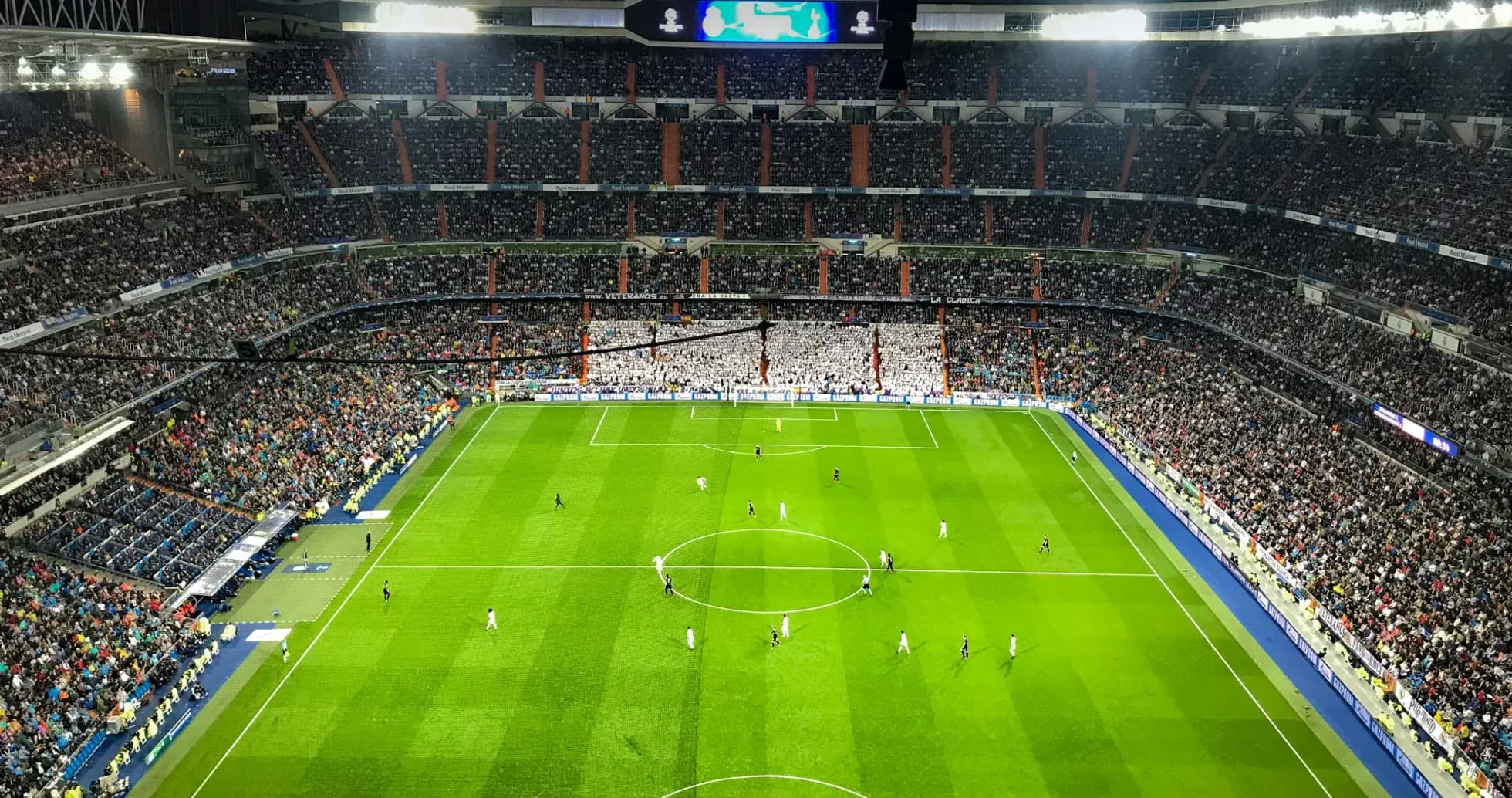
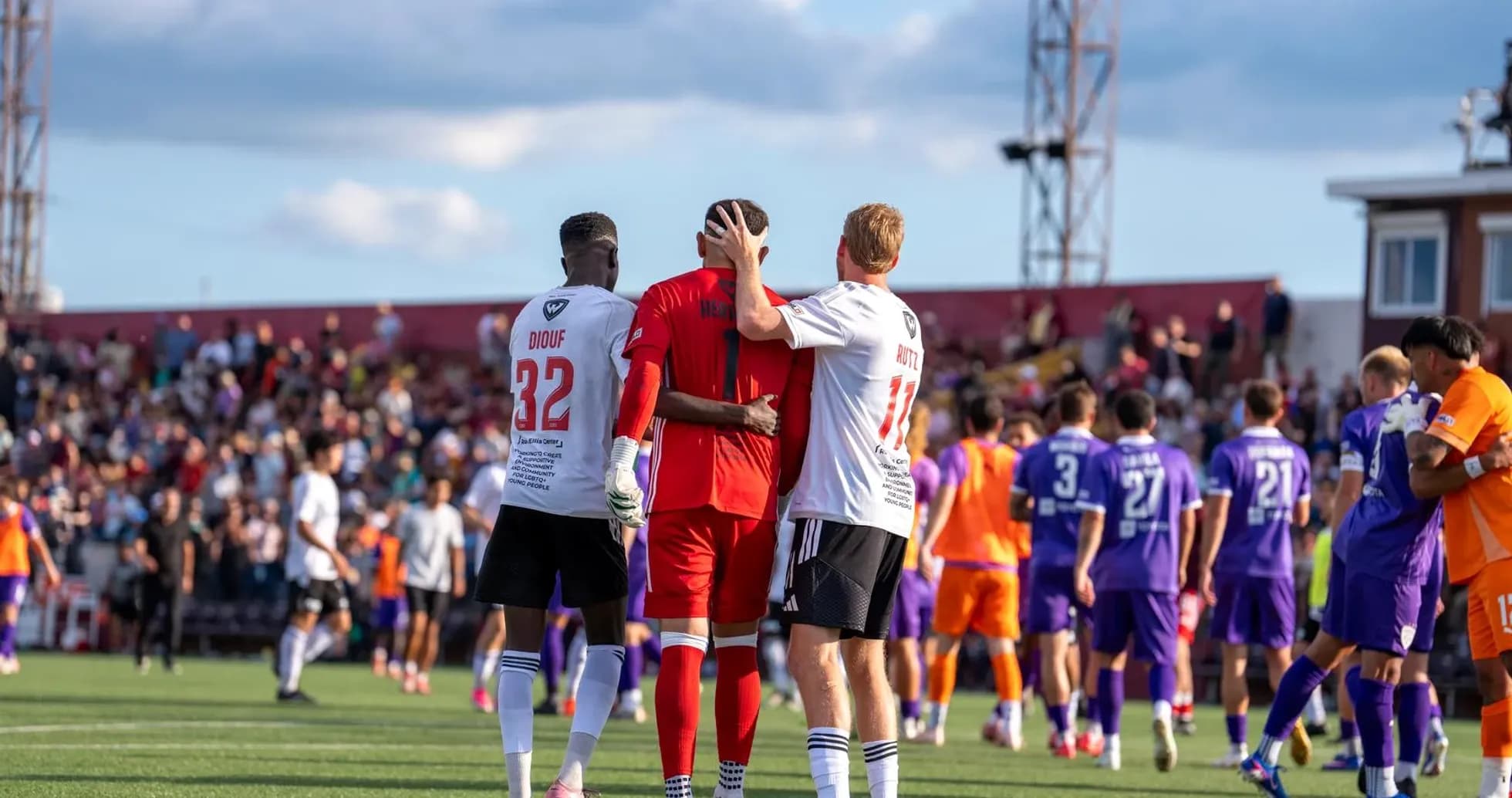
Under the desert lights at Cashman Field, Las Vegas Lights’ Group 1 campaign in the USL League One Cup continued to unravel with a 0–2 home defeat to Oakland Roots. Following this result, the table tells a stark story: Las Vegas sit 6th in the group on 1 point, with a goal difference of -5 (3 goals for and 8 against overall), while Oakland climb to 4th with 4 points and a neutral goal difference of 0 (6 scored, 6 conceded overall). It was a night that underlined the contrasting identities of the two sides: Las Vegas fragile but willing, Oakland pragmatic and increasingly streetwise.
The match itself followed a pattern that has become all too familiar for Devin Rensing’s side. They went in at half-time 0–1 down and never found a way back, eventually conceding a second to seal the 0–2 full-time scoreline. For a team that has failed to win any of their 3 fixtures overall and has yet to claim a point at home in this competition (2 home games, 2 defeats, 1 goal for and 4 against), the Lights’ Cup narrative is one of structural issues rather than bad luck.
Team Structure
Rensing’s XI carried a certain raw energy. M. Stajduhar anchored the side in goal, with a back line built around the physical presence of B. Ofeimu and the defensive work of N. Sessock, N. Jones and J. Forbes. In front of them, G. Probo and A. Okyere were tasked with giving the team some ballast, while P. Leal and C. Locker offered connective tissue between lines. Wide, B. Mines and N. Pickering were meant to stretch Oakland and provide the running power to compensate for a side still searching for a clear attacking identity.
Yet the numbers from the wider campaign frame the tactical void. Heading into this game, Las Vegas had scored only 1 goal in total across the competition, with an overall average of 0.3 goals per match. At home, that rose only slightly to 0.5 goals per game (1 goal in 2 home fixtures). Their sole strike in the Cup had come between 61–75 minutes, a narrow late-mid second-half window that accounted for 100.00% of their goals. That means the Lights are essentially toothless before the hour mark and never truly dangerous in the dying stages.
Defensively, the picture is even more troubling. Overall, they concede 1.7 goals per match, with that figure rising to 2.0 at home. The minute distribution is damningly even: 25.00% of goals conceded in each of 0–15, 31–45, 46–60 and 61–75. Las Vegas are not especially vulnerable in one specific phase; they are simply permeable from whistle to whistle. There is no safe period, no segment where they consistently lock the game down.
Oakland's Strengths
On the other side, Ryan Martin’s Oakland Roots arrived with their own scars but a more coherent blueprint. Their form line of LLW heading into this fixture disguised a team that had at least discovered a way to win on their travels: 1 away victory, 1 away defeat, 3 away goals for and 2 against, for an away scoring average of 1.5 goals per game. The Roots’ offensive minute distribution is revealing: 33.33% of their goals between 0–15, another 33.33% between 31–45, and the remaining 33.33% between 46–60. This is a side that can strike early, just before the break, and immediately after it – a three-phase threat that tests concentration and game management.
That pattern intersected cruelly with Las Vegas’ defensive weaknesses. The Lights concede in the opening 0–15 and again just before half-time, precisely where Oakland’s attack is most active. Oakland’s ability to score early forced Las Vegas to chase, a dangerous game for a team that has failed to keep a single clean sheet overall and has already failed to score in 2 of their 3 Cup outings.
Match Analysis
Martin’s starting XI was built for those moments. R. Spiegel in goal offered security behind a defensive line led by T. Gibson, K. Tingey and J. Bravo, with J. de Vicente able to shuttle and step into midfield. The central engine of B. Byaruhanga and F. Valot gave Oakland both bite and progression – Byaruhanga the enforcer, Valot the passer who can break lines and release runners into those early and late-half windows. Ahead of them, W. Prentice and T. Lepley worked between the lines, while B. Jacquesson’s vertical running and D. Trejo’s presence up top provided the “hunter” element in Oakland’s attack.
In the “Hunter vs Shield” matchup, Oakland’s collective forward unit faced a Las Vegas defence conceding 2.0 goals per game at home, with no clean sheets and a tendency to give up goals in all four key 15-minute bands before 75 minutes. The 0–2 outcome simply confirmed what the underlying numbers had been hinting at: Las Vegas’ shield is cracked, and Oakland’s hunters are well equipped to exploit that.
Discipline and Squad Depth
Discipline played its own subtle role. Las Vegas’ yellow card distribution shows a side that becomes increasingly stretched and reactive as the game wears on: 16.67% of their yellows in 0–15, another 16.67% in 16–30, then a spike to 33.33% between 76–90 and a further 16.67% in 91–105. Oakland’s bookings cluster later too – 20.00% between 31–45, 20.00% between 46–60, 40.00% from 76–90 and 20.00% in 91–105 – but crucially, their structural discipline is better, with their red card coming deep into added time (91–105) rather than during the decisive phases. Both sides have yet to be involved in a penalty decision in this Cup, with 0 penalties awarded and therefore no conversion or miss issues to note.
From a squad-depth perspective, the benches told another part of the story. Las Vegas could call on C. Lanphier, A. Guillen and B. Pope to adjust the defensive picture, with O. Anderson, C. Pinzon, M. Arteaga and M. Ybarra as attacking and midfield options. Oakland’s alternatives – K. McIntosh in goal, T. McCabe and B. Roberson to reinforce the back line, plus F. Bettache, M. Edwards, A. Elmasnaouy and J. Kiil – offered Martin flexibility to either lock a lead down or chase if needed. In this match, it was the former scenario that unfolded.
Statistical Prognosis
Statistically, the prognosis for both sides diverges sharply. For Las Vegas, an overall scoring rate of 0.3 goals per match combined with 1.7 conceded is an unsustainable blend; their -5 goal difference is the natural by-product. Without a tactical recalibration that tightens their structure and broadens their attacking threat beyond a single 61–75 minute window, they will remain vulnerable in every phase.
For Oakland, the balance is far healthier. An overall average of 1.0 goals for and 1.0 against, a clean sheet already banked on their travels, and a proven ability to score in the opening, closing, and immediate post-interval segments of halves all point to a side whose xG profile is likely trending upward. Their defensive concessions cluster between 46–60 and 61–75 (50.00% in each of those windows), which offers future opponents a clear target, but against a Las Vegas team that struggles to create, that vulnerability never truly came under threat.
Following this result, the narrative of Group 1 sharpens: Las Vegas Lights are a team searching for a foundation, while Oakland Roots are quietly assembling the statistical and tactical solidity to turn a mixed start into a genuine Cup run.