Levante Overcomes Oviedo 4-2 in La Liga Clash
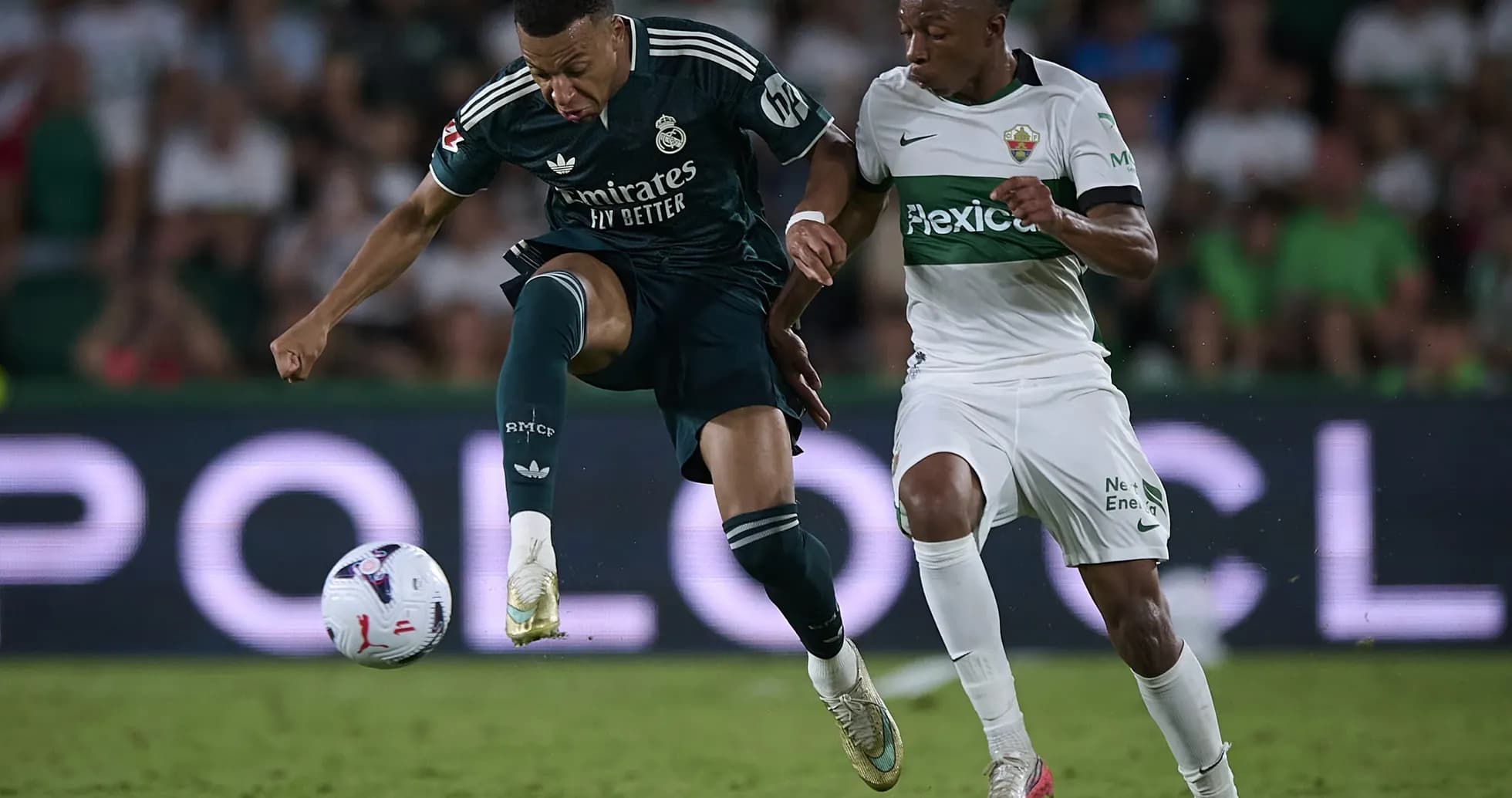
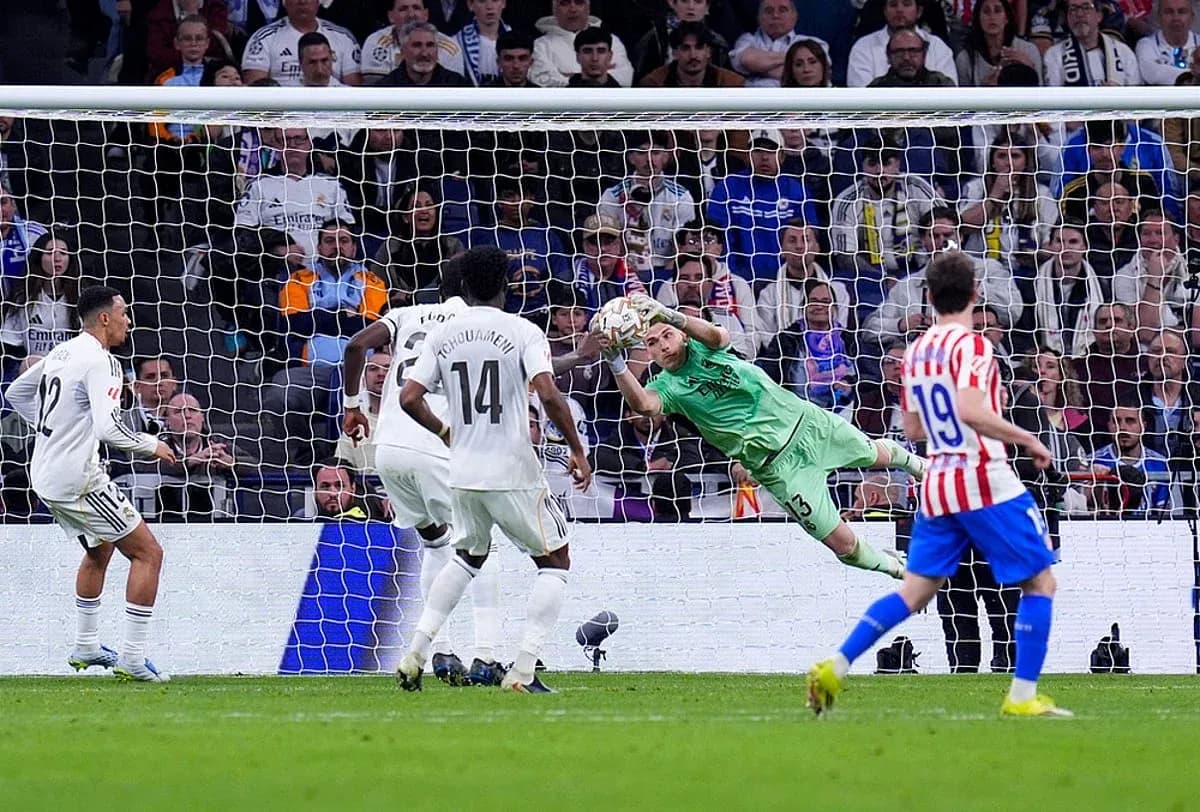
At Estadio Ciudad de Valencia, Levante dismantled Oviedo 4-2 in a La Liga regular-season clash defined by ruthless transition play against sterile possession. Luis Castro’s 4-1-4-1 pressed selectively, springing direct attacks through C. Espi and the advanced midfield line, while Oviedo’s 4-2-3-1 under Guillermo Almada Alves Jorge controlled the ball but not the spaces that mattered. Despite having only 38 percent possession and fewer passes, Levante generated more shots, higher xG, and repeatedly exposed Oviedo’s defensive line. The match evolved from early Levante dominance to a chaotic, open contest, before the hosts’ verticality and bench impact killed it late.
Scoring Sequence & VAR
Levante struck immediately. On 4', C. Espi punished Oviedo’s passive first phase, finishing a direct move to make it 1-0. Oviedo’s double pivot failed to screen the back four, allowing Levante’s lone striker to isolate and attack the central defenders.
Levante doubled their lead on 25', again through C. Espi. The pattern was similar: quick progression from a compact 4-1-4-1 block, exploiting Oviedo’s stretched rest-defense as full-backs pushed high. Espi’s second goal underlined how poorly Oviedo controlled transitions.
Oviedo reacted before the break. On 44', I. Chaira arrived from the right half-space to finish after a delivery from J. Lopez, reducing the deficit to 2-1. Levante’s back line, which had been aggressive stepping out, was caught narrow and late shifting to the flank.
Deep into first-half stoppage time at 45+6', Alberto Reina received a yellow card, capping a spell where Oviedo increased their intensity between the lines. Just before that momentum fully turned, Oviedo had already equalized: on 45', F. Vinas converted a penalty for 2-2, punishing Levante’s defensive looseness in their own box. The score was 2-2 at the break.
After halftime, Levante reasserted control in transition. On 52', I. Losada restored the lead to 3-2, finishing after a contribution from K. Tunde. The goal came from Levante’s midfield line attacking the half-spaces behind Oviedo’s advanced full-backs.
With Oviedo chasing, spaces opened even further. In stoppage time at 90', substitute I. Romero sealed the match at 4-2, capitalizing on a stretched Oviedo defense. There were no VAR interventions or disallowed goals; all six goals stood without review.
Tactical Shifts & Personnel
Levante started in a 4-1-4-1 with O. Rey anchoring, a narrow, hard-working midfield four of V. Garcia, J. A. Olasagasti, I. Losada, and K. Tunde, and C. Espi as a mobile target. They ceded possession by design, focusing on compressing central zones and breaking quickly once Oviedo lost the ball. Levante saw 6 of their shots blocked by the Oviedo defense, but the volume and quality of their attempts showed how effectively they reached the final third.
Oviedo’s 4-2-3-1, with K. Sibo and N. Fonseca as the double pivot and I. Chaira, Alberto Reina, and T. Fernandez behind F. Vinas, aimed to dominate the ball. With 62 percent possession and 472 passes at 82 percent accuracy, they circulated well but struggled to penetrate Levante’s compact mid-block. Their 10 total shots and 2 shots on goal reflected a lot of sterile control.
The first major personnel change came from Levante on 61', when At 61', P. Martinez came on for I. Losada. This move added a more technical, possession-friendly profile in the left half-space, helping Levante manage phases when they needed to slow the game.
Oviedo responded aggressively at 64' with a triple attacking adjustment: At 64', S. Cazorla came on for N. Fonseca. At 64', H. Hassan came on for T. Fernandez. At 64', R. Alhassane came on for J. Lopez. Cazorla’s introduction shifted Oviedo towards a more creative, high-tempo positional attack, Hassan added direct threat, and Alhassane gave fresh legs at full-back. On 70', they further tilted the structure forward when At 70', S. Colombatto came on for K. Sibo, effectively sacrificing some defensive cover for more passing quality in the first build-up line.
This attacking tilt increased Oviedo’s territorial dominance but left them fragile in defensive transitions. Levante’s yellow cards on 71' (Kareem Tunde) and 74' (Oriol Rey) reflected their need to disrupt Oviedo’s rhythm and protect the central corridor, but the bookings did not significantly alter their shape; they stayed in the same 4-1-4-1, simply becoming more conservative in duels.
On 75', Levante refreshed their front line: At 75', F. Cortes came on for K. Tunde. At 75', I. Romero came on for C. Espi. Romero’s later goal validated this change, as his fresh movement attacked the same channels Espi had exploited earlier, particularly against tired center-backs.
Oviedo’s last throw of the dice came on 80', when At 80', A. Fores came on for Alberto Reina, pushing more numbers high and turning the structure into a more aggressive 4-2-4/4-2-3-1 hybrid. On 84', they also changed the right-back, as At 84', P. Agudin came on for N. Vidal, adding energy on the flank.
Levante, sensing the game’s openness, moved to lock it down in the final minutes. At 84', T. Abed came on for V. Garcia, adding fresh legs in midfield. At 89', K. Arriaga came on for J. A. Olasagasti and At 89', U. Raghouber came on for O. Rey, effectively rotating the entire central unit to maintain intensity in pressing and cover. This late injection of energy helped Levante keep their structure intact while still countering, culminating in Romero’s 90' strike against an overstretched Oviedo side.
Eric Bailly’s yellow card on 38' signaled Oviedo’s growing desperation to handle Levante’s vertical attacks, while Santi Cazorla’s booking on 76' came as he tried to stop a transition. Neither card changed the numerical balance, but both underlined how Oviedo’s defensive organization deteriorated as they chased the game.
The Statistical Verdict
The underlying numbers back the tactical story. Levante produced 20 total shots to Oviedo’s 10 and generated 1.82 xG against Oviedo’s 1.34, despite having just 38 percent possession and completing far fewer passes (283 at 72 percent). Oviedo’s 62 percent possession and 472 passes at 82 percent accuracy reflected control of the ball, not of the match’s decisive zones.
Both goalkeepers posted negative goals prevented values, but Levante’s attacking efficiency and volume overwhelmed Oviedo’s defense. Oviedo saw 2 of their shots blocked by the Levante defense, indicating that the hosts protected their box more effectively than Oviedo did at the other end.
Levante prevailed through superior efficiency in transition, better exploitation of space behind the full-backs, and impactful substitutions that maintained their threat while shoring up central areas. Oviedo’s structural gamble to chase the game increased their possession but fatally exposed them to the kind of vertical attacks Levante were built to execute.