Liverpool Should Have Had a Penalty: Key Match Incidents Panel Verdict
Liverpool should have had a penalty. Not from a manager’s rant, not from a pundit’s agenda, but from the Premier League’s own independent Key Match Incidents panel.
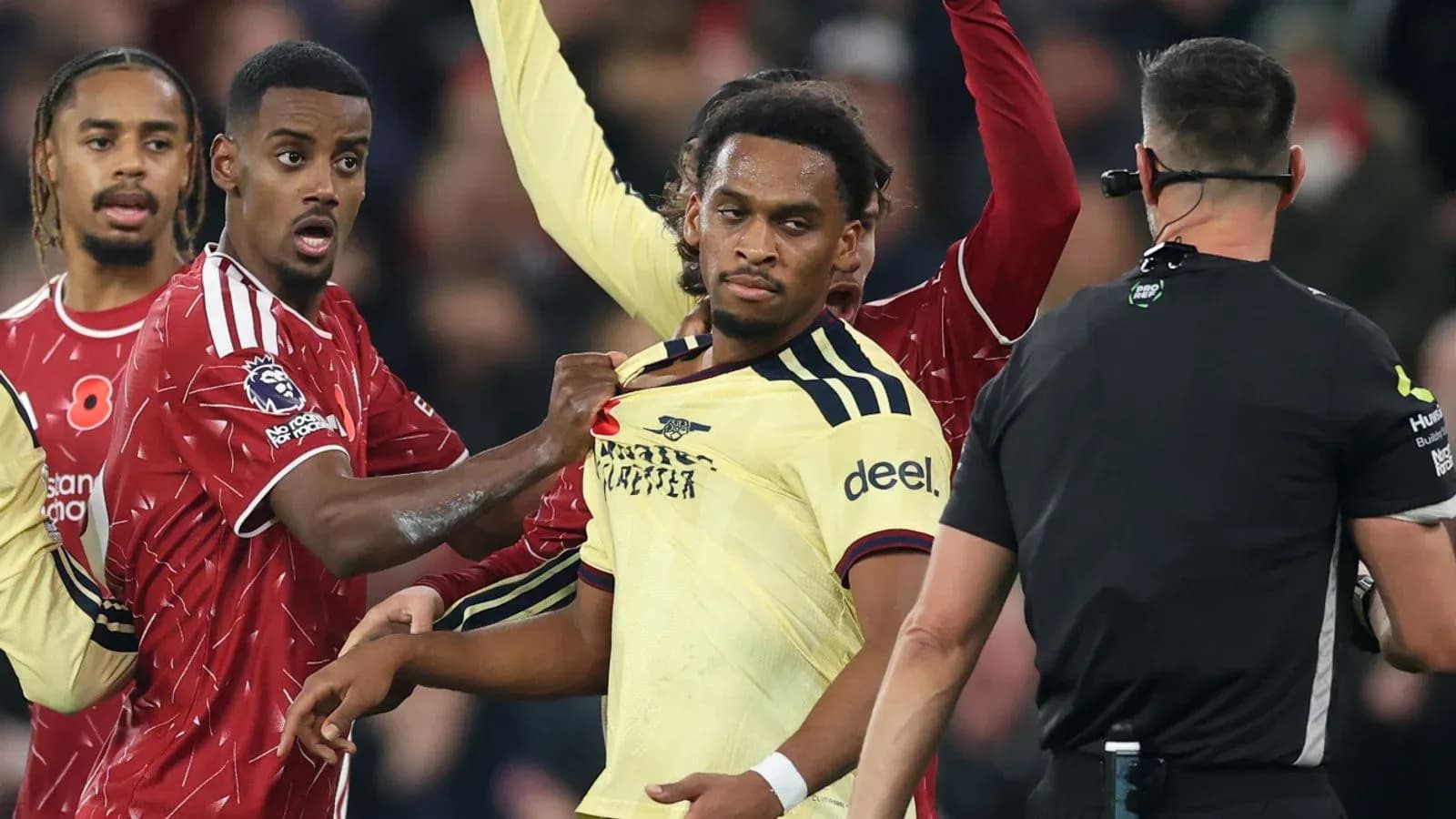
Days after Arsenal’s 1-0 win at Anfield, the panel has ruled that Jurrien Timber’s shirt pull on Alexander Isak inside the box should have resulted in a Liverpool spot-kick – and that VAR should have stepped in to correct the on-field decision.
Panel: Referee wrong, VAR should have intervened
Referee Andy Madley waved play on in the 21st minute with Arsenal already 1-0 up through Kai Havertz’s early strike. As Bradley Barcola’s cross arced towards the six-yard area, Isak tried to attack it, only for Timber to grab his shirt and check his run.
The KMI panel, which reviews key decisions from every Premier League game, voted 4–1 that Madley should have awarded a penalty. By a narrower 3–2 margin, they also concluded that VAR Stuart Attwell ought to have sent the referee to the pitchside monitor, classing the non-award as a “clear and obvious error”.
One panellist felt “the short-lived holding” did not clearly affect Isak’s ability to reach the ball. Two others argued the level of subjectivity around the impact meant it did not hit the high bar for VAR intervention. They were outvoted.
The numbers show how rare such admissions are. Of 196 key incidents reviewed this season, the panel believes referees have got 86 per cent right on the field. With VAR intervention, that figure climbs to 97 per cent. This one sits in the 3 per cent that slipped through.
‘VAR, do your job’: Pundits united
From the moment replays rolled, the debate was fierce. The panel’s verdict only hardens the sense that Liverpool were on the wrong side of a major call.
Jamie Carragher did not bother dressing it up.
“One of the best goalscorers in the league is pulled back seven yards out and it stops him heading the ball – why does he need to make a meal of it? VAR, do your job.”
Ian Wright took the same line. The striker in him recognised the instinct to stay up – and the punishment for doing so.
“He shouldn't have to make more of it. We can see it... Unless I'm pulled back, I'm going to head it as much as I can. When he pulled him, it was just about enough as he would need to go down.
“VAR is wrong in this instance. If they gave that penalty, I wouldn't sit here and say ‘I can't believe they gave that’.”
Gary Neville focused on the psychology of the moment, calling Isak’s reaction “unnatural”.
“It's actually unnatural not to make more of it. When you get pulled and you're just about to score, you ordinarily complain like crazy. It's a very odd reaction from Isak.”
Daniel Sturridge, another striker who lived in those tight penalty-box margins, was blunt about the reality players face.
“Unfortunately, he has not fallen over. You're supposed to fall over, put your arms in the air and show the referee you're mad about it... to me, his reaction is almost like ‘VAR, do your job’.
“But they've not done their job. He shouldn't have to make more of it – clearly, he shouldn't. Everyone can see that his arm is stretched, he is holding him with a stretched-out arm.”
‘He’s taken a big chance and got lucky’
Former Premier League referee Dermot Gallagher, on Ref Watch, broke down how the officials might have seen it – and why the call still looks wrong in hindsight.
“It depends which angle you watch it from. The first angle, you see nothing. That is the referee's angle.
The second angle, which is what VAR looks at, and it is a lot more damning.
“VAR looks at it in slow motion, which is another thing against him. In normal speed, he grabs and grabs him quickly but lets go. Does he do enough [for a penalty]?”
Gallagher pointed to the tightrope VAR walks between correcting mistakes and “re-refereeing” games.
“VAR would be accused of re-refereeing if it is a penalty. It is a case of damned if they do and damned if they don't.
“It has to be the case of on-field. The more I watch it, the more I think he [Timber] has taken a big chance and has got lucky.”
His assessment of what might have changed if Isak had gone down was telling.
“Once a player hits the ground, there are more questions to ask.
“There is asking what has knocked him down. Has he gone down by his own momentum, has he slipped or has he been pulled or pushed?
“Once you factor that in, obviously you have a different decision. He [referee] has to deal with the situation he has seen. He has seen a little pull of the jersey and thought no penalty.”
Liverpool: ‘Clear penalty’ – and a lesson for next time
Inside Anfield, there was no doubt in the home dressing room.
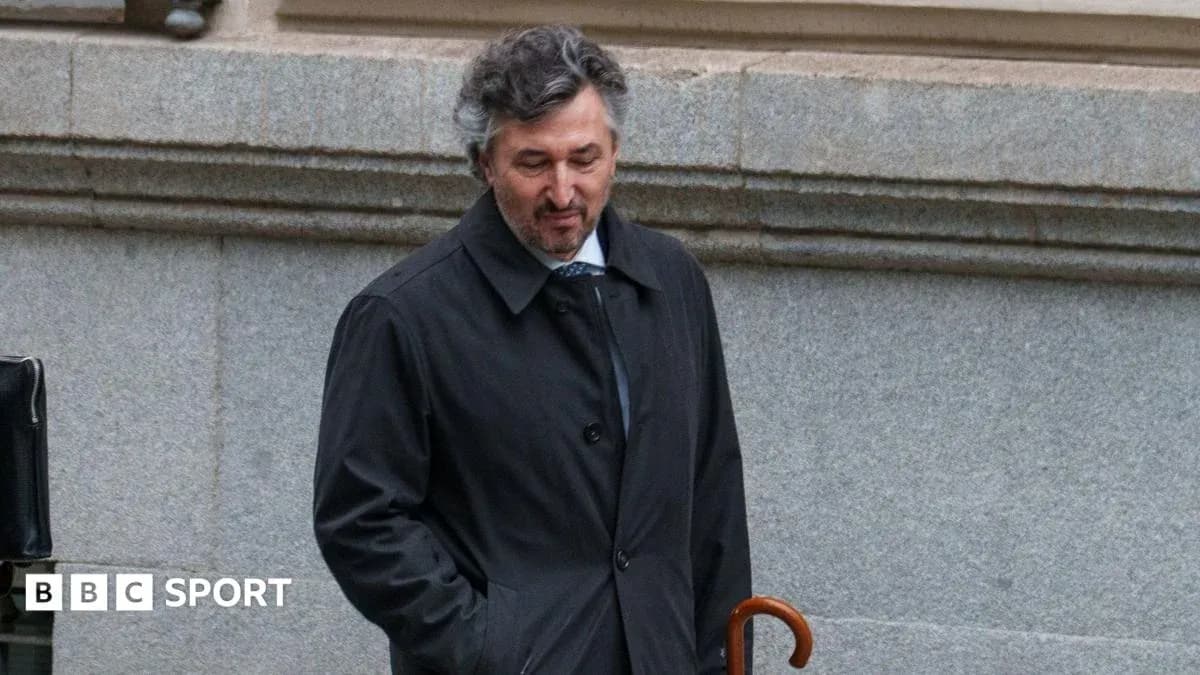
Liverpool head coach Andoni Iraola did not mince his words.
“The Isak one is a clear penalty. We can all see that he holds the t-shirt. The ball just goes one centimetre in front of Alex. Alex is going to hit the ball in front of the goal.”
The follow-up question cut to the heart of the modern game: does the striker need to go down?
“The fact that you are even asking me that shows he should have gone to the floor. If he does, they call the penalty 100 per cent.”
Will he tell Isak to do that in future?
“Yes, definitely.”
Virgil van Dijk echoed the sense of injustice and bafflement at the technology.
“I've seen it back and I've seen it given as well on other occasions. Today it wasn't meant to be.
“The VAR doesn't notice it? There are 50 cameras. Even more. Why does he have to complain when there are so many cameras? It is spotted because everyone's seen it.
“In the end, it wasn't given and we lose the game unfortunately, so well done to Arsenal.”
From the Arsenal side, Mikel Arteta kept his distance, saying he had not watched the incident back and offering no comment.
Mac Allister booking backed by panel
The panel did, however, side with the officials on another flashpoint from the same match.
Late in the second half, Alexis Mac Allister went down holding his face after his forehead made contact with Noni Madueke’s. VAR checked for violent conduct but no red card followed. Mac Allister instead received a yellow card.
On that, the KMI panel was unanimous: no sending-off. They described the contact as “negligible” and Mac Allister’s reaction as “clearly exaggerated”.
Ipswich also denied a spot-kick
The controversy was not confined to Anfield. In the Championship, Ipswich Town also received backing from the panel over a missed penalty in their 2-2 draw with Hull City on October 3.
With the game goalless in the 18th minute, Nobel Mendy grappled with Dara O'Shea at a corner. Referee Tom Kirk let play continue; VAR Neil Davies stayed silent.
The panel voted 4–1 that a penalty should have been awarded, describing it as “a clear sustained holding offence”. One dissenting panellist felt O'Shea and Florentino Luis’s actions in the same phase needed to be weighed and that a spot-kick was not justified, but the majority view was firm: Ipswich were owed a penalty and an on-field review should have been recommended.
Two games, two missed penalties, both now formally acknowledged. The technology is in place, the panels are in place, the numbers say the system works most of the time.
The question that lingers is simple: how many more strikers will have to learn to fall before the decisions match the fouls?