Louth and Mayo Clash for All-Ireland Final Spot
The All-Ireland semi-final weekend at Croke Park crackles with something different this year. Not just expectation, but opportunity. For some counties, this is familiar ground. For others, it feels like walking into a dream.
Louth chasing the dream, Mayo chasing redemption
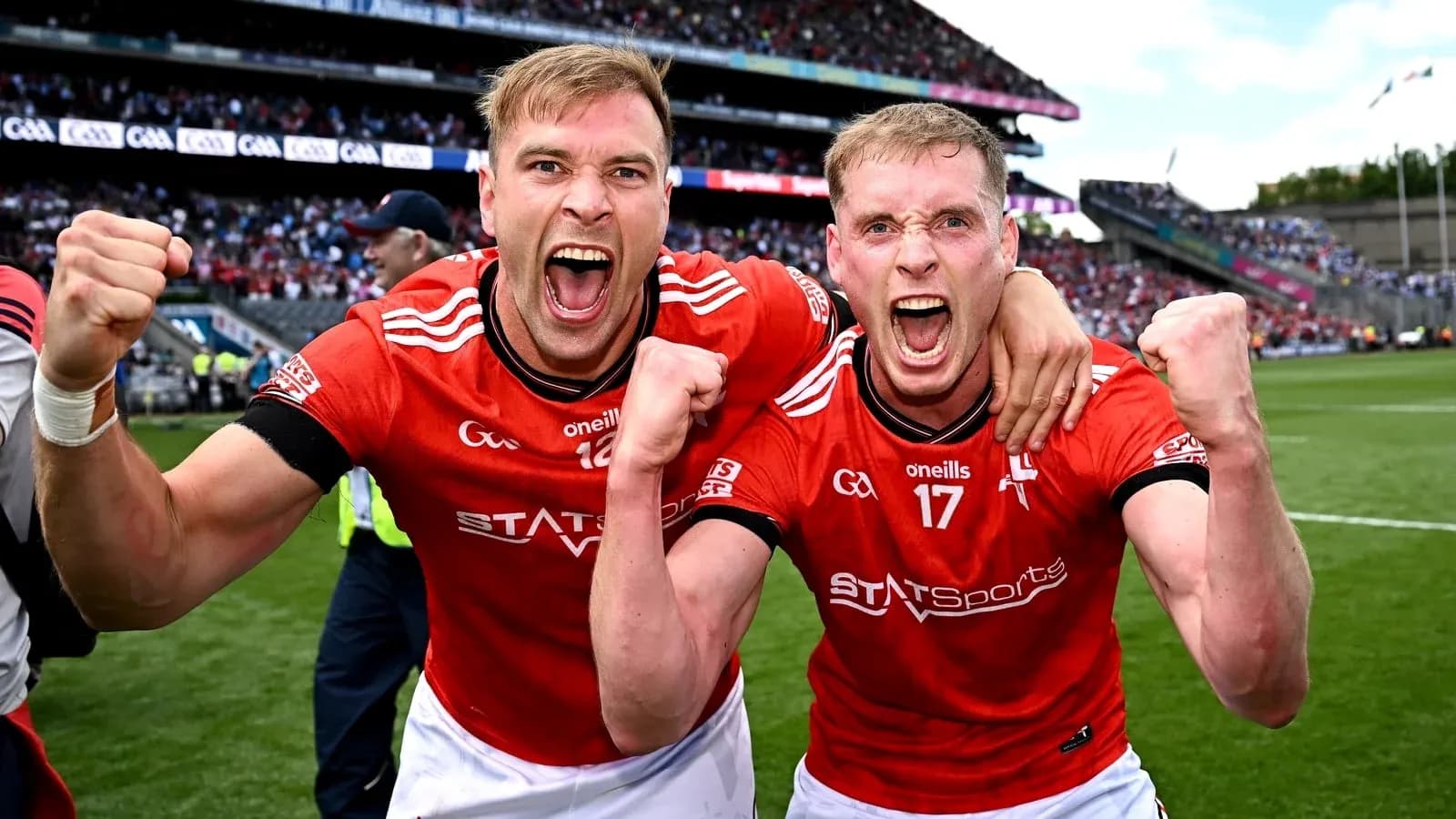
For Louth, this is uncharted territory. A few seasons back, an All-Ireland final simply wasn’t part of the conversation. Now they stand 70 minutes away from it, carrying the hope of a county that has waited a lifetime for a moment like this.
Mayo arrive from the opposite direction. Their year looked to be unravelling after limp defeats to Roscommon and Tyrone. Questions piled up. Momentum drained away. Yet here they are, somehow back within touching distance of another All-Ireland final. It’s a remarkable pivot in a season that once looked doomed.
The danger now is distraction. The noise around both camps has gone through the roof. Supporters can get swept away by it; players can’t. The margins are tiny, the calls brutal, and this championship has made a habit of throwing up games that are almost impossible to separate. This is another one.
Louth’s transformation has been powered by a new wave. Dara McDonnell, James Maguire and Kieran McArdle have injected pace and personality into the team. Sean Callaghan belongs in that bracket too, which is why his absence cuts so deep. They’re the energy. The direction still comes from the established class of Sam Mulroy, Ciaran Downey and Craig Lennon.
The key for Louth lies in that middle eight. They absolutely bossed that sector against Monaghan, even after going down to 14 men. If they can repeat that level of control, they give themselves a huge platform. That’s where they have to win it.
It’s also where Mayo still carry a few question marks. But the real shift in Mayo has come at the sharp end. For years, they cried out for genuine marquee forwards. Now they have three: Beirne, Ryan O'Donoghue and Kobe McDonald. Add Tommy Conroy’s resurgence and suddenly Mayo have the kind of attacking arsenal that can blow a game open in a five-minute burst.
Louth’s full-back line has the experience to stand up to most forward units. The problem is, if Mayo’s inside line clicks together on the same day, that might be the decisive edge.
Both managers can also lean on their benches. In a game that could swing on momentum, the timing and identity of the changes could be as important as any tactical tweak. Get it right and you wrestle back control. Get it wrong and the season disappears in front of you.
What sets this Louth side apart is their belief. They’ve already stared down Dublin and Armagh this summer and refused to fold. They just don’t go away. That resilience has changed how people talk about them.
It’s almost impossible to split them from Mayo on form and narrative. But there’s a sense, however intangible, that something special might be building in the Wee County. Paul Flynn is buying into that feeling. His call: Louth to edge it.
Tailteann Cup: Down the favourites, Wicklow the story
The Tailteann Cup final brings a different type of promise. Down walk into Croke Park as deserved favourites. Their power and pace on the big pitch have been evident every time they’ve got there. This is a county hungry to force its way back into the Sam Maguire conversation.
Wicklow, though, represent exactly what this competition was designed for. A victory here would be seismic for a developing county. Epic, in every sense.
Oisín McConville has done a tremendous job reshaping Wicklow’s outlook and standards. Mark Jackson and Dean Healy have carried that message onto the pitch, leading from the front. Whether or not they lift the cup, Wicklow have already banked a season that will live long in the county’s memory.
Flynn still leans towards Down, trusting their power and pedigree on the big day. But the idea of Wicklow ripping up the script is exactly why this final matters.
His pick: Down.
Dublin’s revival meets Kerry’s machine
Then comes the blockbuster. Dublin against Kerry. Tradition against momentum. A fixture that rarely behaves itself.
Not long ago, few in the capital would have predicted this turnaround. Losses to Westmeath and Louth didn’t just dent results; they exposed a lethargy that set alarm bells ringing. The edge was gone. The aura looked fractured.
Ger Brennan’s return has changed the mood. Dublin look sharper, more connected, more secure at the back. There’s a renewed energy about them and, crucially, that old Dublin belief has started to seep back into the dressing room.
The real furnace, though, sits around midfield and the kick-out battle. Dublin have worked hard on their restarts, but they’re stepping into a storm. Kerry are ruthless at disrupting opposition kick-outs, and they have the physical profile to back it up: Mark O’Shea, Sean O’Brien, and the O’Connor brothers, Diarmuid and Joe, all built for that contest.
Kerry will go after that area. Dublin know it, and they’ll lean on the experience and presence of Peadar Ó Cofaigh Byrne, Brian Howard and Ciarán Kilkenny to steady things and give them a foothold.
At the other end, Shane Murphy was flawless dealing with Tyrone’s man-to-man press. Now he faces something far more complex. Dublin’s zonal press is layered and aggressive. If they can force Murphy to go long consistently, every restart becomes a coin toss, and that’s where the game can tilt.
For Flynn, primary possession is the heart of it. Win the war on restarts, and you dictate the terms of the contest. Donegal showed the template when they starved Kerry of ball and knocked them off rhythm. That has to be Dublin’s blueprint.
Kerry’s attack, though, is where the real anxiety lies for Dublin. Their collective tenacity in defence has been excellent in recent weeks, but this is a different challenge entirely. Sean McMahon’s injury concerns only deepen the problem. Dylan Geaney’s form, combined with the ever-present threat of David Clifford, raises a simple question: how do you hold that forward line for 70 minutes?
On the flip side, Dublin are hardly short of threats. Niall Scully and Con O'Callaghan are operating at All-Star levels. They face a Kerry defence that has turned mean in terms of goal concessions, yet Tyrone still managed to ask serious questions of them. Dublin will need to be ruthless, taking points when they’re on, building on recent improvements in their shot selection and accuracy.
Then comes the great separator: the bench.
Kerry’s depth is frightening. Almost every player they introduce would walk into most starting XVs in the country. When there’s a genuine debate over whether someone of Seán O'Shea’s calibre starts, it tells you everything about the strength at Jack O’Connor’s disposal.
Psychology lingers over all of this. Dublin come into the game with a sense that they’ve already flipped their season. The pressure isn’t on them in the way it once was. All the expectation, all the weight of “must win”, sits squarely on Kerry’s shoulders.
These clashes have a habit of ignoring logic and bowing to history instead. Upsets, twists, late swings – they’ve all been part of the story. Flynn suspects this might be one bridge too far for this version of Dublin. He expects them to drag Kerry into a dogfight for three-quarters of the game.
But when Kerry turn to that bench in the final quarter, he believes they’ll have just enough to pull clear.
His verdicts for the weekend: Louth, Kerry and Down.
The stage is set. Now it’s over to Croke Park to decide who was right.