Malaysia's Formula 1 Return Costs RM350 Million
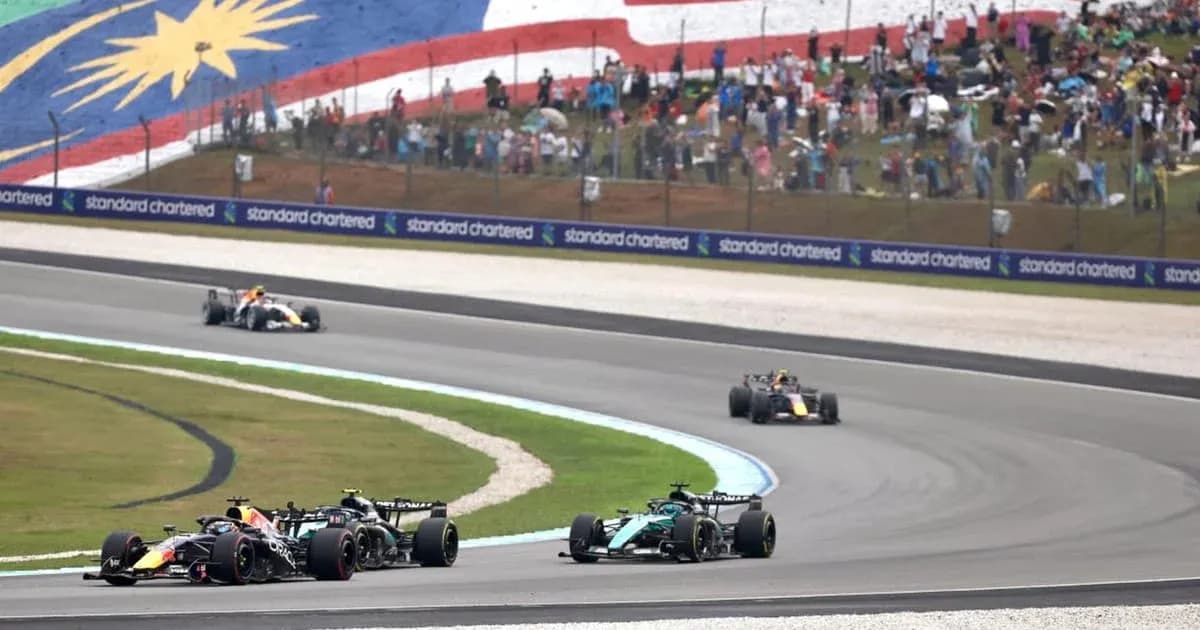
Malaysia’s brief return to the Formula 1 calendar has come with a far heftier price tag than first suggested, with the government now revealing that the Bahrain Grand Prix at Sepang carried an estimated overall cost of RM350 million.
The figure, disclosed in Parliament, dwarfs earlier projections and raises fresh questions over whether the country can afford to bring F1 back on a permanent basis.
Costs surge past early estimates
In a written reply to Nazri Abu Hassan (PN–Merbok), youth and sports minister Dr Taufiq Johari said the event, staged from Oct 2 to 4, cost an estimated RM350 million in total. That sum covers both the hosting fees and all preparations at the Sepang International Circuit.
Malaysia’s direct share came to RM70 million, Taufiq said, covering circuit maintenance and operating costs. Bahrain picked up the rest of the bill.
That Malaysian contribution alone is already well beyond what had been floated publicly just months earlier.
On July 27, Prime Minister Anwar Ibrahim said the government would only need to spend the RM16 million already allocated annually for maintaining and upgrading the circuit. A day later, Sepang International Circuit chief executive Azhan Shafriman Hanif estimated local preparations would cost about RM40 million, to be shared between Malaysia and Bahrain.
The ministry’s latest number sits almost double that estimate, with no clarification on how or when the projections ballooned. In his reply, Taufiq did not address the discrepancy between the earlier figures and the final RM70 million outlay.
Big bill, big bounce
If the costs climbed, so did the claimed economic return.
Taufiq said the race generated an estimated RM950 million in economic activity, citing figures from Formula One Management. That windfall, according to the ministry, rippled through hotels, tourism, aviation, transport, food and beverage outlets and a wide range of service providers tied to the race weekend.
The event also delivered a surge in employment. About 7,300 job opportunities were created, Taufiq said:
- 6,167 in businesses and services catering to visitors,
- 757 in race operations and infrastructure,
- 376 involving F1 teams, sponsors and race operations.
What remains unclear is how much of that activity translated into direct revenue for the state. Taufiq did not disclose how much the government collected in taxes, fees or rental income from the event, leaving a crucial part of the ledger blank.
Still counting, still deciding
For now, the final verdict on whether the one-off return of F1 to Sepang made financial sense is still pending.
Taufiq said SIC and an appointed consulting firm are still assessing the event’s costs and economic benefits in detail. Their findings will shape the government’s decision on whether Malaysia should pursue hosting future F1 races.
The stakes are familiar. Malaysia hosted the F1 Grand Prix from 1999 to 2017, building Sepang into one of the sport’s most distinctive venues before dropping off the calendar as costs climbed and the financial burden became harder to justify.
This year’s race arrived almost by accident. The Bahrain Grand Prix was moved to Sepang following the conflict in West Asia, handing Malaysia its first taste of Formula 1 since 2017 and briefly rekindling nostalgia for the old days of roaring V10s and tropical downpours.
Now the romance of F1’s return meets the reality of the balance sheet. With RM70 million already spent and RM950 million in economic activity claimed, the question for Malaysia is no longer whether it can host Formula 1 — but whether it should.